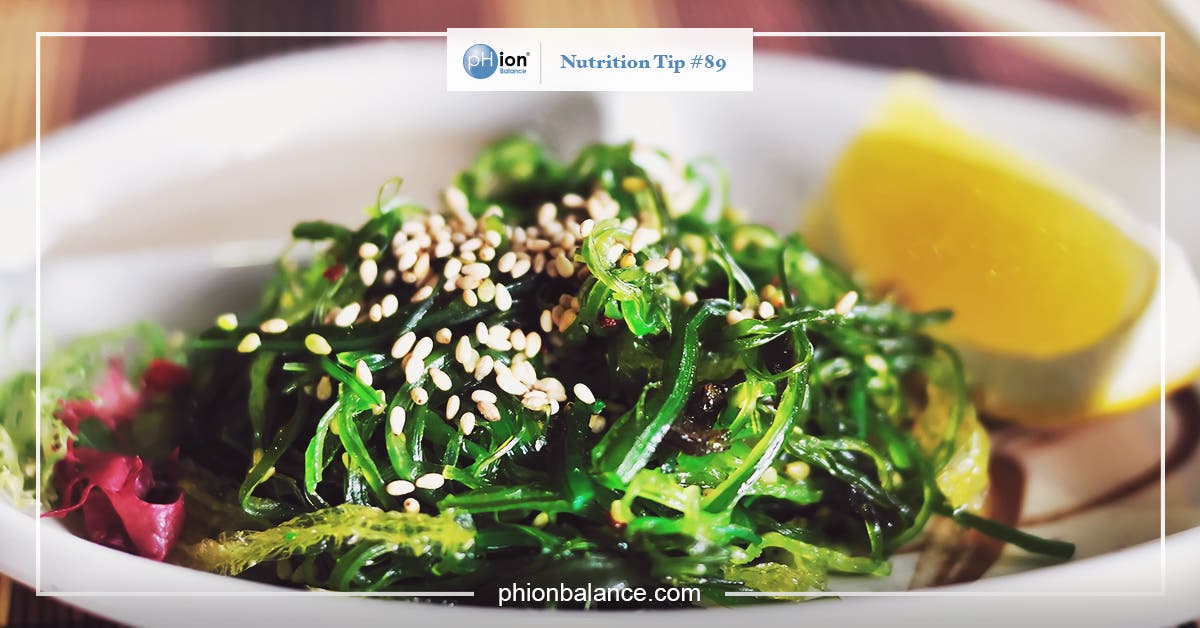
Seaweed has been a staple part of Chinese and Japanese diets for centuries. There are many types of edible seaweed that are rich in nutrients and have numerous health benefits.
The benefits can be obtained from seaweed by cooking and eating the plant, drinking the water that the seaweed has been cooked in or from nutritional supplements containing seaweed.
Some Types of Edible Seaweed & Their Health Benefits:
Find out what's happening in Ramseyfor free with the latest updates from Patch.
Dulse - This reddish-brown seaweed is rich in magnesium and iron. This makes it beneficial for improving circulation, boosting energy, reducing the risk of heart disease and atherosclerosis, as well as strengthening cardiac muscle. It also protects your circulatory system form abnormal blood clotting.
Nori - This is the type of seaweed your sushi is usually rolled in. It is rich in vitamins as well as potassium, which helps to regulate blood pressure and circulation. Nori is also loaded with iodine, which improves the functions of the thyroid gland. Nori is also high in fiber, which helps keep you regular.
Find out what's happening in Ramseyfor free with the latest updates from Patch.
Kelp - Kelp is a brown-green and very nutritious seaweed that grows along many ocean shores. It contains iodine, B vitamins, potassium and calcium. It is beneficial for boosting energy levels, reducing stress, improving thyroid function and preventing digestive disorders. There are several different varieties of kelp, these are wakame, carrageen, sweet kelp and laver.
Hijiki - This is a dark brown sea vegetable that grows on the rocky shorelines of China and Japan. It is high in fiber, calcium, magnesium and iron. This makes is good for improving circulation, preventing heart disease and atherosclerosis, reducing the risk of osteoporosis and anemia.
Care should be taken to make sure that the seaweed that you buy comes from an area with low heavy metal toxicity, since heavy metals can accumulate in your body and are very hazardous to your health.