Health & Fitness
The Ultimate Antioxidant
We have all heard a lot of hype about antioxidants, but which antioxidant is the ultimate antioxidant?

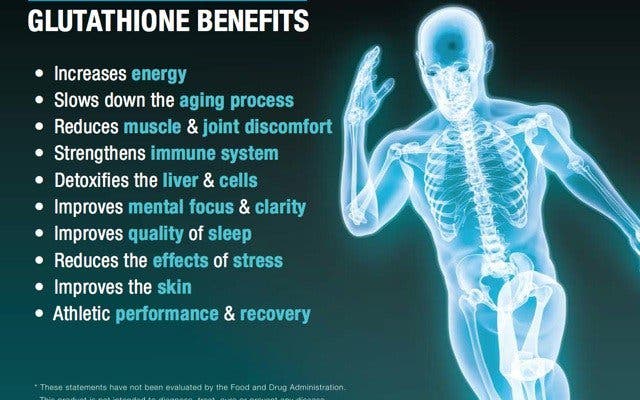
Is there one that stands head and shoulders over the others?
Is there one that can help to prevent cancer, heart disease, aging, neurological issues and more? This single antioxidant has been studied in great depth yet most of us know nothing about it.
Even many doctors have no idea how to address the epidemic of its deficiency in humans.
The ultimate antioxidant is glutathione (pronounced “gloota-thigh-own”). This is a powerful detoxifier and immunity booster and is crucial to a healthy life. Although the body does make some of its own glutathione, poor food quality, pollution, toxic environments, stress, infections, and radiation are all depleting it from our bodies.
Find out what's happening in Ramseyfor free with the latest updates from Patch.
What is Glutathione?
Glutathione is a simple molecule produced naturally in the body. It’s a combination of three amino acids; cysteine, glycine and glutamine.
Find out what's happening in Ramseyfor free with the latest updates from Patch.
Glutathione possesses a “sulfur trap” that traps detrimental substances in our body, such as free radicals and toxins such as mercury and other heavy metals. Glutathione then flushes them out. This is especially important in our current world of heavy metal bombardment.
Where Can You Get Glutathione?
The body makes it, but it’s often not enough in our strenuous environment.
Here are some food sources that either contain glutathione or its precursors to help the body produce more:
1. Broccoli
2. Brussels sprouts
3. Cabbage
4. Cauliflower
5. Avocados
6. Peaches
7. Watermelon
8. Cinnamon
9. Cardamom
10. Turmeric (Curcumin)
11. Tomatoes
12. Peas
13. Garlic
14. Onions
15. Red peppers
Americans consume a lot of junk foods and processed foods. These items can contribute to heart disease and chronic illness, yet Americans still consume them in massive quantities.
Glutathione Protects Against Chronic Illness:
What makes glutathione so important and powerful is that it recycles antioxidants. When your body is dealing with free radicals, it is essentially passing them from one molecule to another. They might go from vitamin C to vitamin E to lipoic acid and then to glutathione where they are cooled off. Antioxidants are recycled at this point and the body can then regenerate another glutathione molecule to go back at it again.
Glutathione is crucial for helping your immune system fight chronic illness, sine it carries toxins out of your body. Toxins stick to glutathione and they are carried to the bile into the stools and out of the body.
Dr. Mark Hyman has given 9 tips to increase your glutathione levels:
1. Consume sulfur-rich foods. The main ones in the diet are garlic, onions and the cruciferous vegetables (broccoli, kale, collards, cabbage, cauliflower, watercress, etc.).
2. Try bioactive whey protein. This is great source of cysteine and the amino acid building blocks for glutathione production. It should be cold processed organic whey.
3. Exercise boosts your glutathione levels and thereby helps boost your immune system, improve detoxification and enhances your body’s own antioxidant defenses. Start slow and build up. Consult a physician prior to starting any exercise program.
4. N-acetyl-cysteine. This has been used for years to help treat asthma and lung disease and to treat people with life-threatening liver failure.
5. Alpha lipoic acid. This is a close second to glutathione in importance in our cells and is involved in energy production, blood sugar control, brain health, and detoxification. The body usually makes it, but given all the stresses we are under, we often become depleted.
6. Methylation nutrients (folate and vitamins B6 and B12). These are perhaps the most critical to keep the body producing glutathione.
7. Selenium. This important mineral helps the body recycle and produce more glutathione.
8. A family of antioxidants including vitamins C and E (in the form of mixed tocopherols) work together to recycle glutathione.
9. Milk thistle (silymarin) has long been used in treating liver disease and helps boost glutathione levels.