Neighbor News
The Vast Plastic Wasteland
Worldwide, 1 million plastic bottles are purchased every minute and less than half are recycled.

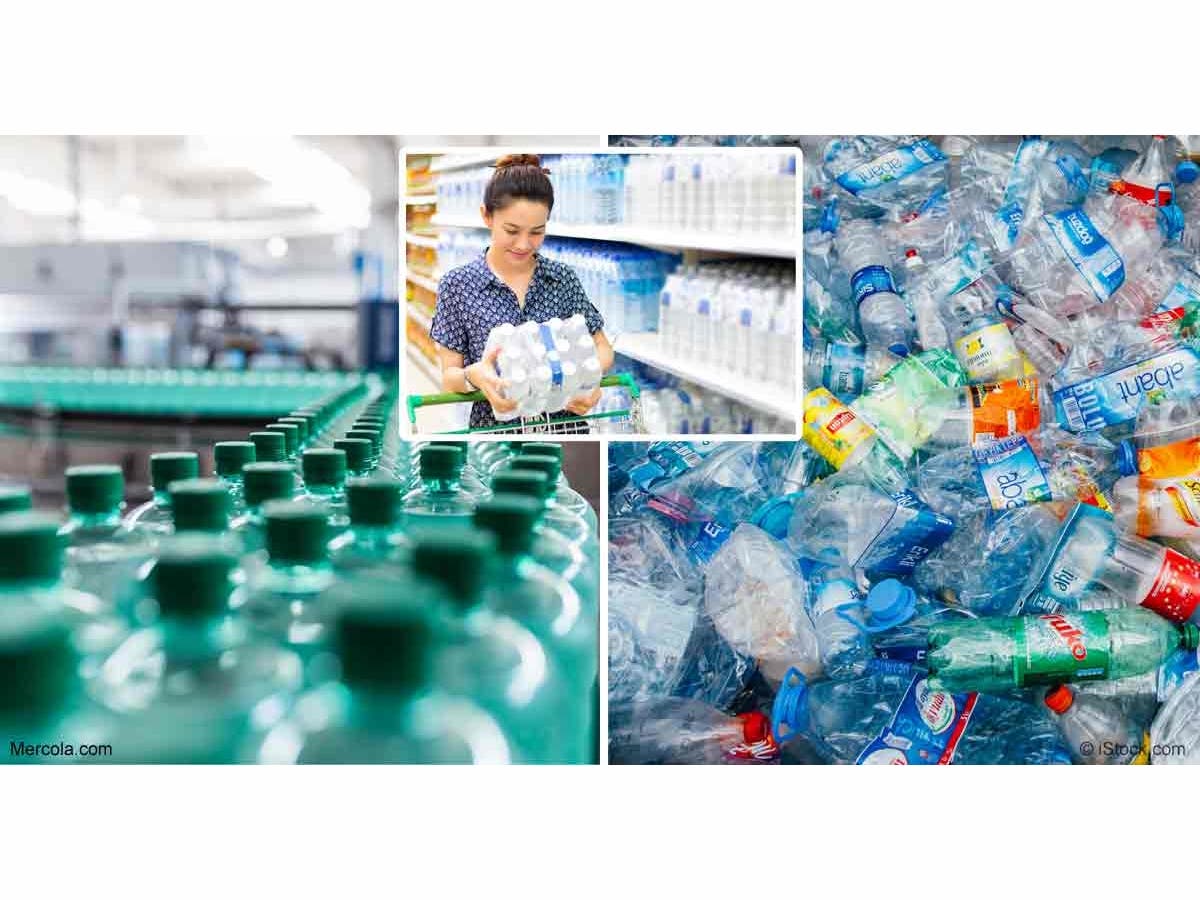
If the plastic water bottle situation isn't bad enough, it is expected to increase by 20% within the next 4 years and reach more than half a trillion plastic bottles sold every year by 2020.
Despite the growing amount of plastic bottles and other plastics littering our landfills, coastlines and oceans, their usage continues.
The U.S., one of the top waste-generating countries, with single use plastics, such as water bottles, soda bottles, drinking straws and potato chip bags.
Find out what's happening in Ramseyfor free with the latest updates from Patch.
According to environmental advocacy group Ocean Conservancy, some plastic products persist for so long, even in salty ocean water, that they'll still be recognizable after 400 years. Ocean life is negatively impacted by this plastic on a number of levels.
Seabirds, turtles and marine mammals commonly mistake some larger pieces of plastic for food. Microplastics, which are less than 5 millimeters (mm) in diameter, are also consumed by marine life, with unknown consequences.
Find out what's happening in Ramseyfor free with the latest updates from Patch.
If you eat seafood that has been ingesting plastics, you are at risk of a potentially high dose of environmental toxins as well. One 2014 study even suggested that the average European who eats shellfish may consume 11,000 pieces of microplastics per year.
You may have heard of "The Great Pacific Garbage Patch". These are caused by a type of ocean current, which are called a vortex. This patch and others accumulate garbage and plastic and atr a hazard to wildlife, the oceans in general, humanity and our planet.
BPA in plastic bottles leach into the beverage and are an estrogen mimicker, which has a huge negative health impact of its own.
The bottom line here is to avoid plastics whenever possible and when you do use them please recycle.