Health & Fitness
What Are Their Differences Between Probiotic Bacteria?
There are various stains of beneficial probiotic bacteria, but what are the differences between these strains?

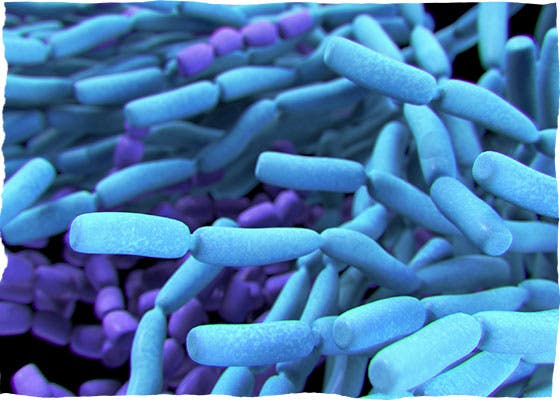
There are various stains of beneficial probiotic bacteria, but what are the differences between these strains? These beneficial bacteria aid in digestion, help to improve our mood by producing serotonin and also bolster our immune systems. The percentages that each person has of each strain, differ from person to person. Each of us has about 2 - 3 pounds of bacteria inside of us! We need to have at least 85% of our bacteria to be beneficial bacteria to be in good health. If we have more than 15% of our bacteria being pathological bacteria, our health can begin to decline.
Lactobacillus Species The predominant and most important bacteria that reside in the small intestine are lactobacillus species. These species are responsible for producing lactase, the enzyme required to break down milk sugar, which is lactose. They also collectively ferment carbohydrates in the gut, producing lactic acid. Lactic acid helps create an acidic environment in the digestive tract, which discourages many unwanted microorganisms that thrive in an alkaline environment. Lactic acid also increases the absorption of minerals, such as calcium, copper, magnesium, and iron.
Lactobacillus Strains:
Find out what's happening in Ramseyfor free with the latest updates from Patch.
L. Acidophilus is the most important strain of the Lactobacillus species. This bacterium colonizes most densely in the small intestine, where it helps maintain the integrity of the intestinal wall, ensures proper nutrient absorption and supports healthy overall digestive function. Research shows that acidophilus boosts immune system activity and supports urinary as well as vaginal health.
L. fermentum has been found in the probiotic foods sourdough and kimchi. This strain produces superoxide dismutase and glutathione, both powerful antioxidants that help neutralize some of the toxic products made in the gut during digestion. L. fermentum has also been isolated as exhibiting activity against foodborne pathogens.
Find out what's happening in Ramseyfor free with the latest updates from Patch.
L. plantarum is known for its ability to produce hydrogen peroxide. The body uses hydrogen peroxide as a defense against bacteria consumed in food, as well as other microorganisms. Research has also found this strain to be effective in helping support immune function in healthy adults.
L. rhamnosus is known for its ability to survive passage through the GI tract and is thought to be among the bestLactobacillus strains for vaginal health.
L. salivarius is somewhat unique among probiotic strains in that it is capable of growing in less than ideal conditions, including environments high in salt, with or without oxygen. It is found in the mouth, throat, sinuses, intestines and vagina, but grows best in the small intestine. Research has shown that people taking L. salivarius had increased markers of immune activity.
L. paracasei is a robust strain found in the small intestine. It may also colonize in the colon if taken along with milk protein, which increases its resistance to stomach acid. This probiotic strain has the unique ability to support liver function and lower urine pH.
L. gasseri is predominantly linked to microflora in the vagina. Women with vaginal discomfort tend to have lower levels of L. gasseri than women with normal vaginal health. L. gasseri also supports digestive health. Research shows that supplementation with a combination of L. gasseri and B. longum helps limit occasional diarrhea in adults.
L. reuteri colonizes in both the intestine and oral cavity. In human trials, it has been shown to support digestive, oral and immune health.
Bifidobacterium Species- Billions of Bifidobacterium line the walls of the colon and help ward off invasive harmful bacteria and other microorganisms, including yeast. As we age, the numbers of Bifidobacterium found lining the large intestinal wall naturally begins to decline.
Bifidobacterium Stains:
B. bifidum is among the first to colonize in the intestines of babies and continues throughout life to be one of the main groups of good flora found in the large intestine. It can also be found in the small intestine. In addition to helping promote bacterial balance, it prevents the growth of unwanted bacteria, molds and yeasts by naturally adhering to the intestinal mucosa better than other bacterial strains.
B. Bifidum assists in the breakdown of complex carbohydrates, fat and proteins during digestion. It also produces enzymes that break the larger molecules down into smaller components that the body can more efficiently use.
B. longum is one of the more common strains of bifidobacteria found in the GI tract. Its digestive benefits stem from its ability to break down carbohydrates and to scavenge and neutralize everyday toxins found in the gut. Preliminary research suggests that the antioxidant properties of this probiotic strain include the chelation of metal ions, especially copper and the scavenging of free radicals. It is also supportive of immune health.
B. infantis This probiotic strain is the largest population of beneficial bacteria in babies. The amount of B. infantis in our guts decline as we age, but it remains an important part of our microflora.
Bacillus Species - Bacillus bacteria are rod-shaped, spore-bearing bacteria that produce lactic acid. Because it is a spore-bearing bacterium, it is highly resistant to heat, moisture and light, making it highly resistant to stomach acid and readily colonizes in the small intestine.
Bacillus Strain:
B. coagulans, like other lactic acid–producing bacteria, produces enzymes that assist in the digestion of lactose. It also improves the body’s ability to use calcium, phosphorus, and iron and stimulates both gastric juices and gastric motility. This strain also supports vaginal health in women.
Streptococcus Strain:
S. salivarius K12 is found in the oral cavity’s mucus membranes and is known for its ability to produce BLIS (bacteriocin-like inhibitory substances), which inhibit the ability of other undesirable bacteria to grow.