Health & Fitness
What Attracts Mosquitoes and How to Repel Them
Of the 3,000 species of mosquitoes in the world, roughly 200 can be found in the US.

The weather is getting warmer and the mosquitoes will soon be biting. Scientists say that about one in five people are especially appetizing targets for mosquitoes.
Of the 3,000 species of mosquitoes in the world, roughly 200 can be found in the US, which all differ in their persistence, biting habits and their ability to transmit disease.
Protecting yourself from mosquito bites not only prevents that annoying itching, but can also lessen your chances of contracting several mosquito-borne illnesses, such as the chikungunya virus, encephalitis, yellow fever, malaria, West Nile or dengue fever. It is estimated that between one and two million people worldwide die each year from mosquito-borne illnesses.
Find out what's happening in Ramseyfor free with the latest updates from Patch.
Most commercial insect repellants contain a chemical called DEET, which should be used with caution, if at all. Many studies have found DEET as well as other chemical bug repellants to have harmful side effects.
Fortunately, there are plenty of tricks for keeping biting bugs at bay and they don’t involve applying toxic chemicals to your skin. There are also several natural remedies that can help take the sting out of your insect bites, should your preventative efforts fail.
Find out what's happening in Ramseyfor free with the latest updates from Patch.
Mosquitoes Plan Their Attack from Behind the 50-Yard-Line:
Mosquitoes are attracted to a number of chemical compounds that they can detect from an impressive 50 yards away. The males are not interested in your blood, but the females are a different story.
At this point in our scientific knowledge base, we know that mosquitoes are attracted to the following:
1. Bacteria: One trillion microbes live on your skin and create your body odor. Humans have only about 10% of these microbes in common, the rest vary between individuals. Some of us have a collection of microbes that are particularly irresistible to mosquitoes.
2. Chemical compounds: When they are sniffing us out, mosquitoes home in on a wide variety of chemicals, 277 were isolated as potential mosquito attractants from human hand odors in one study. Some of their favorites are lactic acid, ammonia, carboxylic acid and octenol (present in human breath and sweat). Mosquitoes are especially drawn to carbon dioxide. The more you emit, the more attractive you are to them. Larger people naturally emit more carbon dioxide than smaller people, which is one of the reasons adults seem to be bitten more often than children.
3. Movement and heat: Mosquitoes are drawn to both movement and heat. So if you’re exercising outside on a warm summer evening, you’re the perfect target, especially if you’re short of breath!
Mosquitoes Like OLD Sweat, Not Fresh Sweat:
It was once believed that mosquitoes were attracted to human sweat, but science has disproven that the sweat itself attracts them. Instead, they are drawn by the chemical changes produced by bacteria in your sweat.
Sweat itself is odorless until bacteria act upon it. Although mosquitoes are not attracted to fresh sweat, if you offer them up some “fermented sweat,” they’ll be all over you. They also found that malarial mosquitoes flock to foot odor.
Certain people seem to secrete more of these natural substances than others, making them essentially invisible to mosquitoes, which may help explain why some people seem to be bitten more than others.
Simple Preventative Measures to Avoid Mosquito Bites:
Naturally, the best way to avoid mosquito bites is to prevent coming into contact with them in the first place. You can avoid insect bites by staying inside between dusk and dawn, which is when they are most active. Mosquitoes are also thicker in shrubby areas and near standing water.
The American Mosquito Control Association (AMCA) has a helpful list of things you can do to prevent mosquito breeding on your property.
Their “Three Ds” of protection are the following:
1. Drain—Mosquitoes require water in which to breed, so carefully drain any and all sources of standing water around your house and yard, including pet bowls, gutters, garbage and recycling bins, spare tires, bird baths, etc.
2. Dress—Wear light colored, loose fitting clothing—long sleeved shirts and long pants, hats, and socks
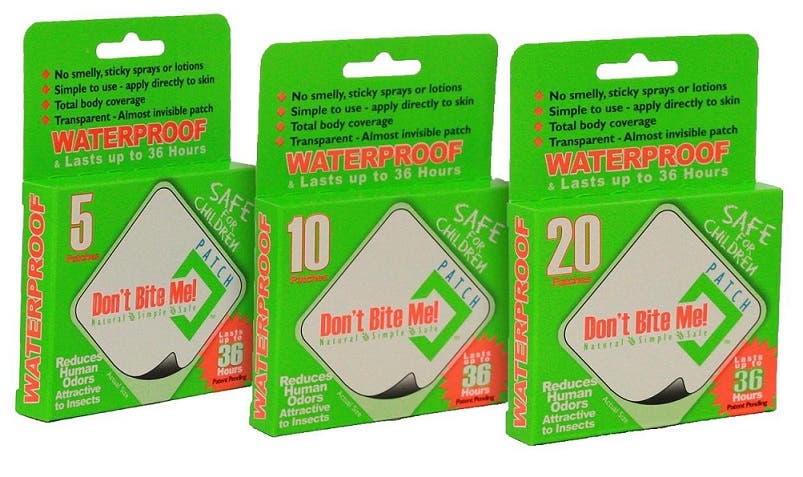
3. Defend—While the AMCA recommends using commercial repellents, I highly recommend avoiding most chemical repellents because of their toxicity. I have found that the Don’t Bite Me Patch, which is 100% natural and made with aloe and vitamin B1 is very effective. Their website.
Bat houses are becoming increasingly popular since bats are voracious consumers of insects, especially mosquitoes.
Planting marigolds around your yard also works as a bug repellent because the flowers give off a fragrance that bugs dislike.
A simple house fan may also help keep mosquitoes at bay if you’re having a get-together in your backyard.
Treating Bites and Stings with Herbs and Natural Agents:
Once you’ve been bitten, the objective changes from repelling to treating the itch and inflammation caused by the bite. Fortunately, a variety of herbs and other natural agents are soothing to the skin. Please see the link for all of the details.
How to Enjoy the Outdoors:
With a little planning and preparation, you should be able to enjoy the outdoors without getting eaten alive. Remember the Three Ds of protection from mosquitoes: drain, dress, and defend. Eliminating the breeding grounds for mosquitoes is the first step to limiting their numbers. Planting marigolds around your yard and maybe installing a bat box or two can also go a long way toward preventing them in the first place.