Just why is grass-fed beef and dairy better?
First of all, whenever consuming any meat, fish, dairy or eggs, we should try to eat those items that come from animals that consume what they would consume in the wild. Cows don’t eat grains in the wild. Their DNA is not hardwired for eating GMO corn, but it is for grass.
They should not be overcrowded and fed antibiotics, which will get into our systems and kill our beneficial gut bacteria.
Find out what's happening in Ramseyfor free with the latest updates from Patch.
They should not be given artificial hormones, mainly recombinant bovine growth hormone to fatten them up quicker, which may cause cancer.
According to a report from the Union of Concerned Scientists, such conditions “pose big problems for human health, animal health, and the environment,”. The amount of wastes produced by these factory farms, generates “enormous unmanageable quantities of manure that contribute to air and water pollution.”
Find out what's happening in Ramseyfor free with the latest updates from Patch.
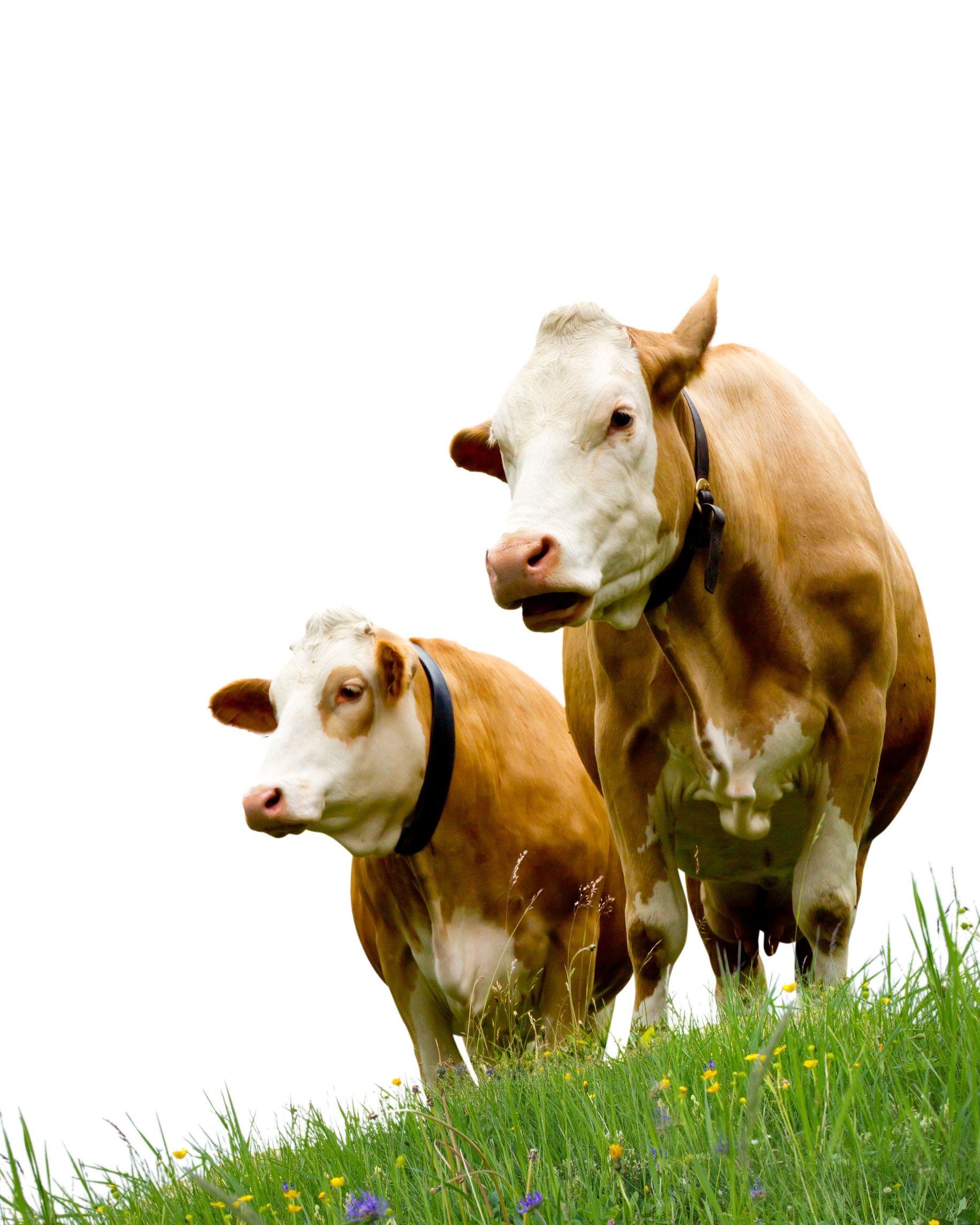
Grass-fed means that animals are allowed to freely roam on pasture land and eat grass, hay and other non-grain vegetation, their natural food.
The most common grass-fed products are beef, bison, lamb, goat and dairy (milk, butter, and cheese).
Although grass-fed products are higher in cost (it costs more to raise livestock on pasture land and they mature slower), grass fed is a healthier option than regular commercially-grown animal products.
Here are reasons why grass-fed is better:
• Grass-fed means a “cleaner,” more natural product that has not been manipulated with hormones and preventative antibiotics. You are eating the meat or dairy without these conventional additives.
• They contain more heart-healthy omega-3 fatty acids. Not as much as in fish, but more than conventionally grown meat.
• They contain conjugated linoleic acid or CLA, which is a fantastic nutrient that you may never heard of. CLA may help fight cancers, asthma, cardiovascular disease, high blood pressure, high cholesterol and triglycerides, osteoporosis, inflammation and allergies!
• The meat is a bit leaner and many say it tastes better.
• Obviously, there is an environmental dividend. A greater demand for grass-fed could create a reduction in high-density, inhumane, and polluting feedlot practices.
You may have also seen meat, dairy, and eggs that were “pasture-raised” and might be wondering - what’s the difference between grass-fed and pasture-raised?
Here are some distinctions to be aware of when making your purchasing decisions:
• The diet of grass-fed animals is almost entirely grass; however, sometimes animals that have been grass-fed their whole lives can be fed grains in the last months of their lives. If you want meat from an animal that ate grass exclusively and no grains at all, then you will want to look for the 100% grass-fed label, not grass fed and grain finished.
• Pasture raised animals spend much of their lives outdoors in the pasture. However, their diet may not consist entirely of grass as they can be fed grains as well.
• Grass-fed animals can be fed grass indoors, but most grass-fed animals maintain their grass diets by having plenty of time outdoors in the pasture.
Ask a meat department staffer at your favorite market about their grass fed beef. If your supermarket or grocery store does not offer grass-fed selections, contact the American Grass-fed Association for a list of producers. There may be one in your area. As far as dairy is concerned, try to purchase organic products, or at least those that say “no rBGH” on the label.