Health & Fitness
Your Body's Chemical Burden
We interact with about 200 industrial chemicals every day and scientists really have no clue as to how they really impact our health.

There are more than 80,000 synthetic chemicals that have been approved for use in the United States. These synthetic chemicals are everywhere, in the air, food, water and in most of the products you use. Many are going straight into your body or your child’s body, even before birth.
The vast majority of these chemicals have never been tested for safety by the FDA. They have only reviewed the safety of about 3,000 chemicals That is less than 4%!
Your cells interact with about 200 industrial chemicals every day and scientists really have no clue as to all of the potential chemical reactions that they can trigger, when combined in different concentrations and combinations in the human body. Until recently, modern science really didn’t grasp what this relentless exposure could mean for your health, but that’s changing.
Find out what's happening in Ramseyfor free with the latest updates from Patch.
Global disease rates are on the rise. There are national epidemics of autism, allergies, learning disabilities and asthma. Most children today will develop a chronic illness of some kind, whereas that was not the case a few decades ago.
The theories about causation are complex and often muddied by the maneuvering of political and corporate interests. Many consumers are confused about what to believe and what to avoid.
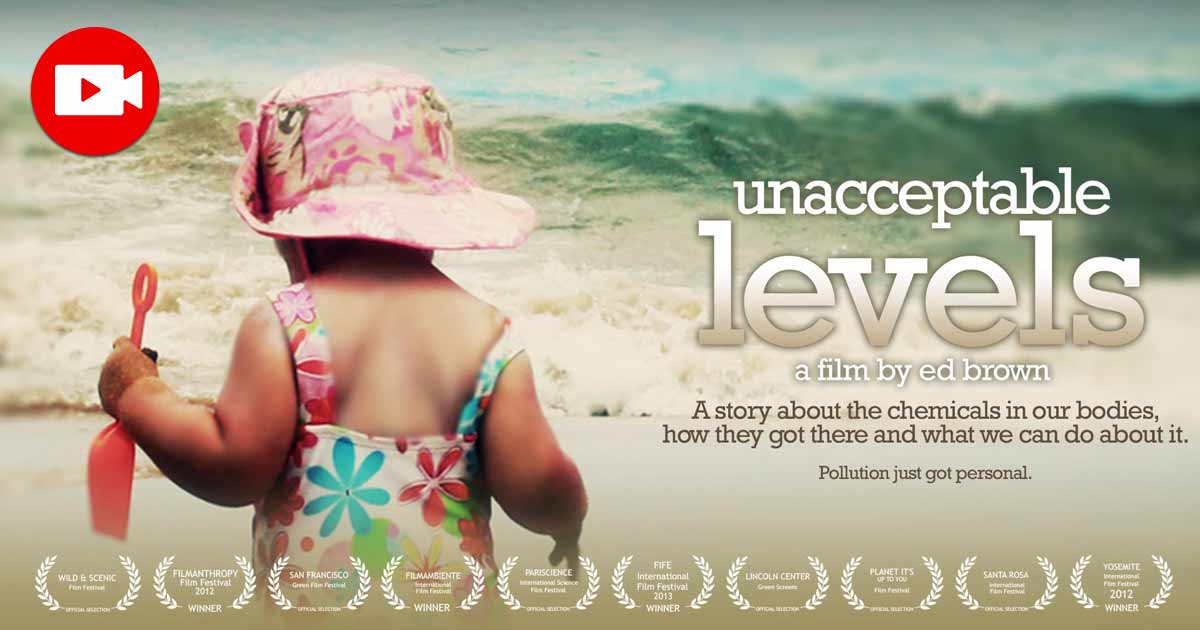
“Unacceptable Levels” is a documentary about the chemicals in your body, how they got here, and what you can do about it. The filmmaker traveled extensively to interview top minds in the fields of science, advocacy and law. “The Human Experiment” is another good documentary about our chemical burden.
Find out what's happening in Ramseyfor free with the latest updates from Patch.
Tips for Avoiding Toxic Chemicals:
It is clear that the US government is falling short when it comes to protecting you from potentially devastating toxic chemicals. You are the best one to keep your family safe. Although no one can successfully steer clear of 100% of chemicals and toxic agents, you can minimize your exposure by keeping the following principles in mind.
This list is from Dr. Joseph Mercola:
1. Eat REAL FOOD, ideally that is locally grown, fresh, and organic. Processed and packaged foods are a common source of chemicals such as BPA and phthalates. Wash fresh produce well, especially if it’s not organically grown.
2. Choose grass-pastured, sustainably raised meats and dairy to reduce your exposure to hormones, pesticides, and fertilizers. Avoid milk and other dairy products that contain the genetically engineered recombinant bovine growth hormone (rBGH or rBST).
3. Rather than eating conventional or farm-raised fish, which are often heavily contaminated with PCBs and mercury, supplement with a high-quality krill oil, or eat fish that is wild-caught and lab tested for purity, such as wild caught Alaskan salmon.
4. Buy products that come in glass bottles rather than plastic or cans, as chemicals can leach out of plastics (and plastic can linings), into the contents; be aware that even “BPA-free” plastics typically leach other endocrine-disrupting chemicals that are just as bad for you as BPA.
5. Store your food and beverages in glass, rather than plastic, and avoid using plastic wrap.
6. Use glass baby bottles.
7. Replace your non-stick pots and pans with ceramic or glass cookware.
8. Filter your tap water for both drinking AND bathing. If you can only afford to do one, filtering your bathing water may be more important, as your skin absorbs contaminants. To remove the endocrine disrupting herbicide Atrazine, make sure your filter is certified to remove it. According to the Environmental Working Group (EWG), perchlorate can be filtered out using a reverse osmosis filter.
9. Look for products made by companies that are Earth-friendly, animal-friendly, sustainable, certified organic, and GMO-free. This applies to everything from food and personal care products to building materials, carpeting, paint, baby items, furniture, mattresses, and others.
10. Use a vacuum cleaner with a HEPA filter to remove contaminated house dust. This is one of the major routes of exposure to flame retardant chemicals for you, your children and your pets.
11. When buying new products such as furniture, mattresses, or carpet padding, consider buying flame retardant-free varieties, containing naturally less flammable materials, such as leather, wool, cotton, silk, and Kevlar.
12. Avoid stain- and water-resistant clothing, furniture, and carpets to avoid perfluorinated chemicals (PFCs).
13. Make sure your baby’s toys are BPA-free, such as pacifiers, teething rings, and anything your child may be prone to suck or chew on — even books, which are often plasticized. It’s advisable to avoid all plastic, especially flexible varieties.
14. Use natural cleaning products or make your own. Avoid those containing 2-butoxyethanol (EGBE) and methoxydiglycol (DEGME) — two toxic glycol ethers that can compromise your fertility and cause fetal harm.
15. Replace your vinyl shower curtain with a fabric one.
16. Replace feminine hygiene products (tampons and sanitary pads) with safer alternatives.
17. Switch over to organic toiletries, including shampoo, toothpaste, antiperspirants, and cosmetics. EWG’s Skin Deep Cosmetics Database can help you find personal care products that are free of phthalates and other potentially dangerous chemicals.
18. Look for fragrance-free products. One artificial fragrance can contain hundreds, even thousands, of potentially toxic chemicals. Avoid fabric softeners and dryer sheets, which contain a mishmash of synthetic chemicals and fragrances.