In one of my favorite Simpsons episodes, news anchorman extraordinaire Kent Brockman interviews nuclear power plant owner Montgomery Burns as the uranium reactors are approaching meltdown. The situation is dire. Kent, looking to sort through the rumors about the status of the plant, tells Mr. Burns that people on the outside are saying it’s a meltdown. Montgomery is quick to answer: “Oh, meltdown. It’s one of those annoying buzzwords. We prefer to call it an unrequested fission surplus.”
Unrequested fission surplus. Classic. Talk about putting lipstick on a pig.
But the writers were on to something - speech today can be overly sensitive. For example, Target shoppers may have heard themselves referred to as Guests. Guest? That’s silly. It’s okay, I’m not offended, you can call me a customer. Unless you’re offering me a cold one and some Cheese Doodles, I’m not your guest. And was that certain Senator ethically challenged, or just plain crooked? That was an economically disadvantaged area we drove through? Oops, sorry, I mistakenly called it a slum. And all along I thought that layperson was actually just an idiot. The list goes on.
We see this phenomenon in the environmental sector as well. When did a swamp become a wetland anyway? And somewhere along the way a dump became a landfill. But to clean up the dirty language of environmental there is more work to be done. So, I am channeling my inner Montgomery Burns. Let’s face it, some environmental words are just plain ugly... er, I mean, linguistically challenged.
Brownfields: I love the color brown and have tons of brown hues in my wardrobe - why the negative connotation? A shade neutral term: fields of unfulfilled potential.
Clearcutting: What a terrible image - a vast landscape of stump stubble where a pine forest just stood. Forestry buzzcut sounds better.
Heavy Metal: Better than Fat Metals, I suppose. But still, so as to not offend, let’s instead call those elements and potential environmental pollutants big-nucleused metals.
Industrialized Countries: What, we’re just one giant factory exhaling through a smokestack? How about technologically exuberant societies instead?
Pesticide: -cide, from Latin “to kill.” Eeesh. I think crop productivity adjunct sounds much better.
Petrochemicals: The word just conjures images of oil derricks and refineries. On behalf of the chemical industry, I’m going to suggest extracted dinosaur remnants instead.
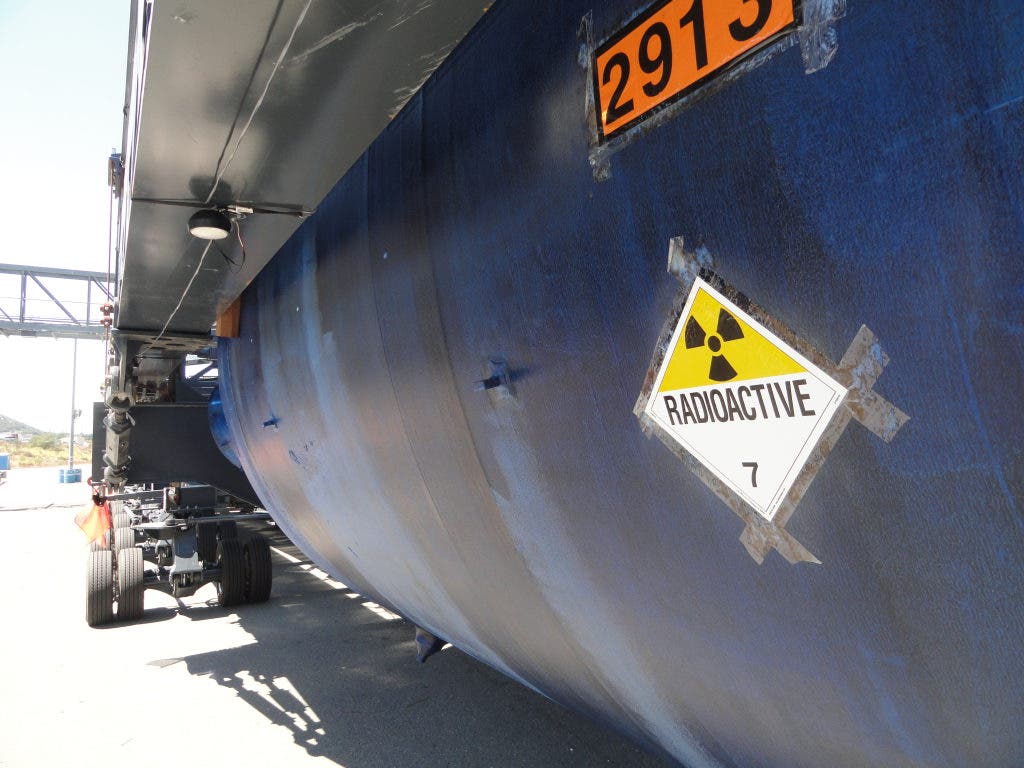
Radioactive Waste: Now that the Yucca Mountain repository plan is scrapped, we could easily eliminate the radioactive waste problem with some fancy wordsmithing. How about low-carbon energy by-products?
Sanitary Landfills: I’ll save this one for my blog on oxymorons.
Smog: A contraction of smoke and fog, just the sound of the word is unappealing. Smog. Let’s replace it with ground level process clouds.
Sprawl: Strip malls, cul-de-sacs, and McMansions - oh my. Maybe it will sound more appealing if we go with spontaneous development patterns.
Strip Mining: Well, actually, this one does have a nice sexy ring to it. We’ll let this one stand as is.
I’m sure there are other environmental words and phrases that could use an image makeover. So, environmentalists, be careful of the words you choose. After all, maybe you can put lipstick on a pig... er, I mean, a muddy mammal of size.