Neighbor News
DIY: How to Kill Mold with Bleach - Mold Inspection Princeton
You have many options when it comes to killing small batches of mold. Bleach is the go-to source because it is so effective.
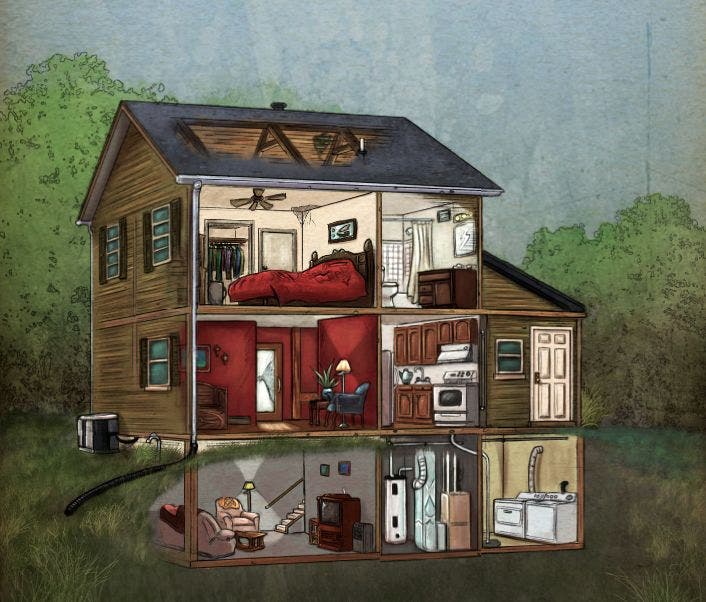
DIY: How to Kill Mold with Bleach - You have many options when it comes to killing small batches of mold. Bleach is the go-to source because it is so effective, but there are other solutions you can use as well, such as:
- Borax
- Ammonia
- Vinegar
- Hydrogen peroxide
- Detergent
- Baking soda
- Tea tree oil
- Grapefruit seed extract
Professionals should handle mold removal, but sometimes small cases of mold in your shower stall, for instance, can be handled with a DIY project. You just need the right supplies and protective gear, such as gloves and a face mask.
Working with bleach for mold removal is great because it is effective in killing off most species of indoor mold, plus it gets rid of the spores, which is how mold reproduces. The result? You get a sanitized surface that will keep mold at bay in the future, but you must continue to keep the area dry. If you allow moisture to accumulate, you will encourage further growth of mold.
Find out what's happening in Red Bank-Shrewsburyfor free with the latest updates from Patch.
One of the drawbacks of bleach is that it is only effective in killing mold on non-porous surfaces, not porous ones like wood or drywall. It’s perfect for use on bathroom and kitchen tiles, tubs, glass, and countertops, though. When it comes to porous materials, bleach simply can’t penetrate them. You’ll only be killing the surface mold in this case rather than the roots, which is really where you need to get. If you don’t get the roots (just like pulling weeds) the mold will just come back.
After you pick up some bleach from the store, you can get to work.
Find out what's happening in Red Bank-Shrewsburyfor free with the latest updates from Patch.
The Process
First, open some windows and turn on the fan. Put on your gloves and mask. Pour one cup bleach per gallon of water, basically about one part bleach to 10 parts H2O. You can spray this solution on with a bottle or apply it with a sponge dipped in a bucket. No need to rinse off the surface afterwards. Let the bleach sit – unless you know the surface will be touched by small children and pets, such as the edge of the bathtub, or where you make your food, such as the kitchen countertop.
While bleach is every effective in killing mold, thanks to its active ingredient, sodium hypochlorite, it does have some drawbacks. Not only is it corrosive and staining, it also emits harsh fumes that can cause wheezing and coughing. Even if you properly ventilate the room, those toxic fumes can really go to your head. If you are concerned about the toxicity of bleach, try something milder such as borax or vinegar.
When it comes to large cases of mold infestation, or if you think your home or business contains a more harmful type than standard household mold (i.e., toxic black mold), it’s time to call a professional for removal. Stock Environmental Consulting can provide recommendations for you on mold removal, or we can come out to do an inspection.