Politics & Government
Houghtaling Bill Package to Help Reduce Food Waste & Encourage Donation of Excess Food Becomes Law
The bill package will also promote and increase use of Jersey Fresh products in New Jersey Schools

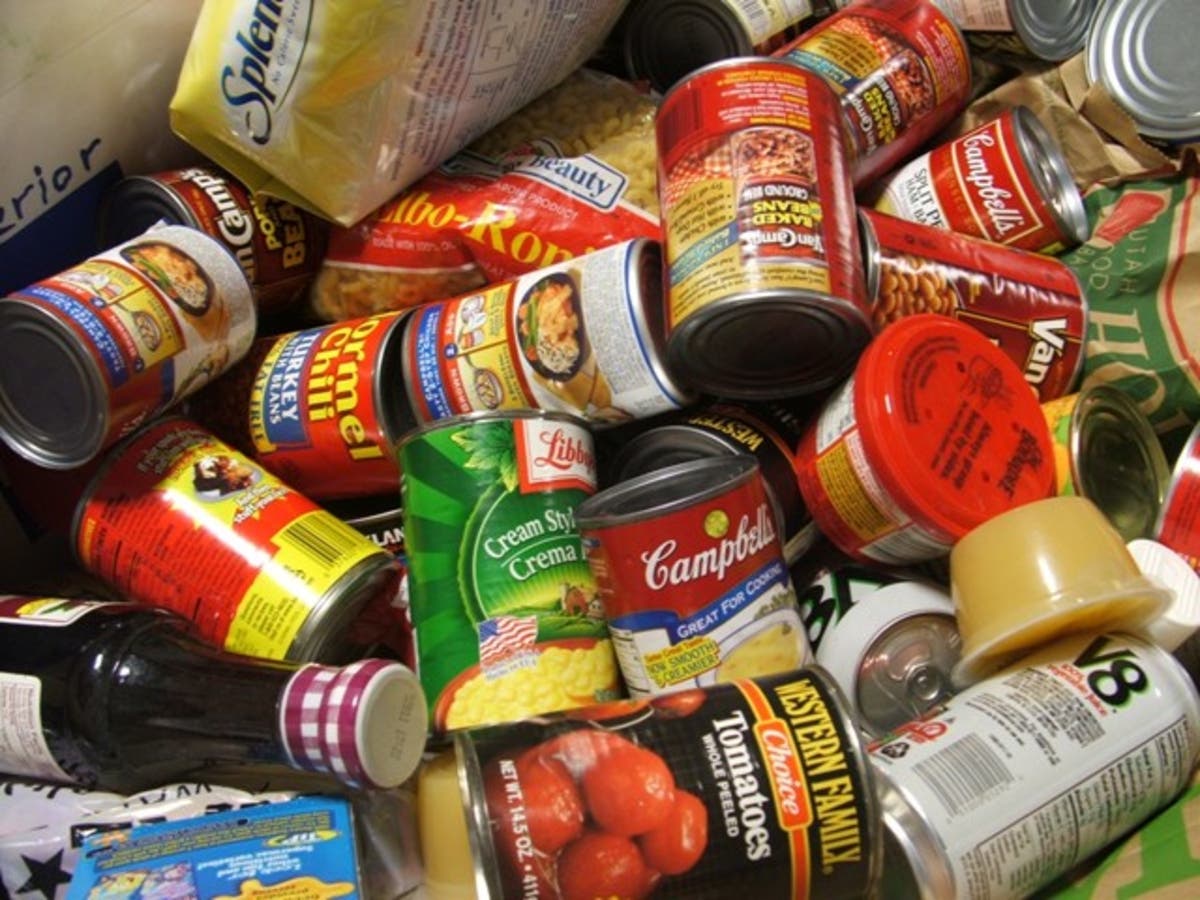
A two-bill package sponsored by Assembly Democrats Adam Taliaferro, Eric Houghtaling and Bob Andrzejczak that would make it easier for schools to donate excess and unused food, help reduce food waste and encourage the use of Jersey Fresh products in schools and colleges has been signed into law.
The first bill signed into law (A-3056) requires the Department of Environmental Protection (DEP), in consultation with other appropriate state agencies, to establish voluntary guidelines for K-12 schools and institutions of higher education to reduce, recover and recycle food waste.
"Schools may already be interested in doing this, but may not know how or may be worried about legalities," said Houghtaling (D-Monmouth). "It will be a wonderful lesson to students about civic-mindedness and, more importantly, it will help support food assistance organizations that operate in communities where the demand often surpasses supply."
Find out what's happening in Red Bank-Shrewsburyfor free with the latest updates from Patch.
These guidelines will include, but not be limited to: (1) information on food waste, and the benefits of reducing, recovering and recycling food waste; (2) recommendations on how schools may incorporate this information into their curricula, and create programs and activities for the reduction, recovery and recycling of food waste; (3) recommendations for how schools can reduce the volume of surplus food they generate; (4) guidance on how schools can create share tables in their cafeterias; (5) information on cost-effective, safe, and sanitary means by which schools may donate excess, unused, and edible food to nonprofit organizations that distribute food to needy individuals; and (6) information on how schools can recycle their food waste.
The DEP, the Department of Education, and the Office of the Secretary of Higher Education will be required to post the guidelines on their websites. The bill would also amend the "Food Bank Good Samaritan Act" to extend legal immunity to public and nonpublic schools that donate food that appears to be fit for human consumption at the time it is donated to a nonprofit organization. Institutions of higher education already receive such immunity under the act.
Find out what's happening in Red Bank-Shrewsburyfor free with the latest updates from Patch.
The second bill signed into law (A-3058) establishes the Farm to School Coordinating Council in the state Department of Agriculture.
"The New Jersey Farm to School program provides hands-on opportunities to help students learn about local agriculture, how food grows and what it means to eat healthy," said Houghtaling (D-Monmouth). "Teaching our young people about the benefits of eating locally grown foods by partnering with our schools will help young people develop healthier eating habits, instill a sense of pride in New Jersey's agricultural richness and support the state's farmers who make it all happen."
The council will examine all areas of the New Jersey Farm to School Program and identify any outstanding issues or problems that need to be resolved and areas in need of improvement. The council will also focus on the procurement process relating to the purchase of agricultural products by schools from New Jersey farmers, and recommend ways to increase the participation of both farmers and schools in the program. Additionally, the council will make recommendations on ways to promote and increase the use of fresh farm foods at schools throughout the state.
The council, within one year after its first meeting, must also prepare and submit a written report to the governor and the Legislature with its findings, conclusions, and recommendations.