
Lewis Morris lived the kind of adventurous life normally associated with epic Hollywood movies. Caribbean pirate, English Privateer, Barbados sugar plantation owner, French prisoner of war, New York City merchant, Quaker, slaveholder and more, his legacy includes being one of the richest industrialists in the fledgling Monmouth County in the late 17th century.
Samuel Stelle Smith relates Morris’s early life exploits in his fine 1983 book Lewis Morris, Anglo-American Statesman, c. 1613-1691. For the purposes of this blog, we’ll focus on what Lewis Morris contributed to our local area.
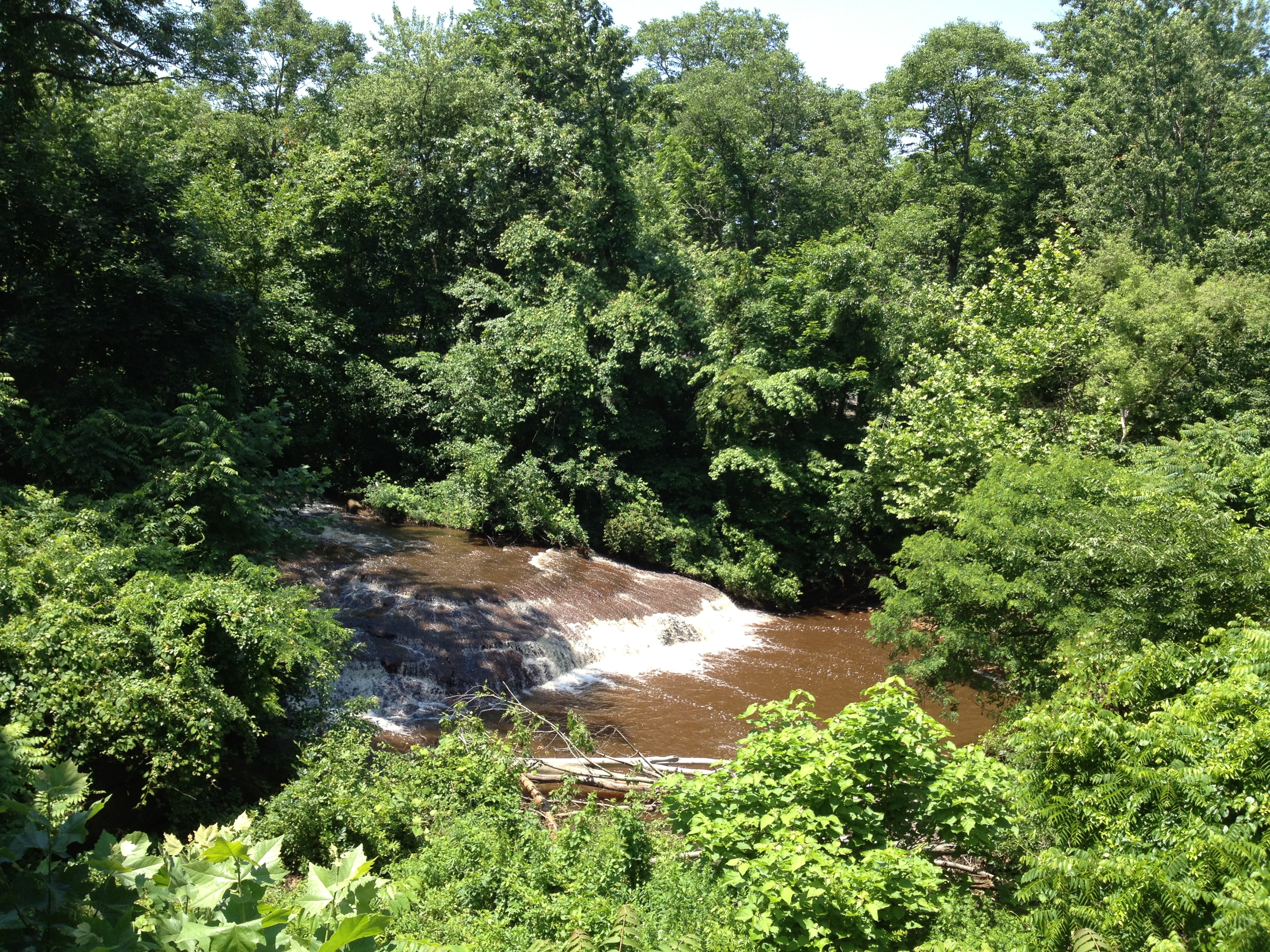
James Grover began the first iron works on what was then called the Falls River in Shrewsbury Township around 1673. Grover realized that the abundant local bog iron, the pine and swamp maple forest with enough wood for charcoal, and the water power of the falls, all offered a unique opportunity. The iron mongers Henry and Samuel Leonard of the Massachusetts Bay Colony soon joined the enterprise. The highest waterfall on the Atlantic Coastal plain powered the wheels needed to operate the machinery for the iron works.
Find out what's happening in Red Bank-Shrewsburyfor free with the latest updates from Patch.
By 1675, Grover was running out of capital and sold half his interest to Colonel Lewis Morris. Morris had attained his military designation from Oliver Cromwell as a reward for his heroic actions against the Royalists in Barbados. Morris also started purchasing land from the Leonards and others, eventually accumulating an estate of over 6,000 acres. He called it Tintern, after what may have been his birthplace in Wales, Tintern Abbey in Monmouthshire.
Lewis Morris operated the iron works with the help of many white indentured servants and over 60 black slaves. Appointed to the East Jersey Governing Council in 1682, Morris built a home near where the Swimming River School is today. At his death in 1691, Lewis Morris bequeathed the vast Tinton Manor, as it came to be called, to his ward and nephew, also named Lewis Morris. The nephew would one day rise to become the first Royal Colonial Governor of New Jersey.