Politics & Government
Ridgewood Election Consolidation Question Will Appear On Ballots
A Superior Court Judge ruled in favor of One Village, One Vote. Here's how it happened, and what it means for voters come November.


RIDGEWOOD, NJ — One Village, One Vote, a group of village residents working in tandem to consolidate elections, has been consistent in their messaging.
"It's time to let the voters decide," they said in August. Last week, a judge decided that the voters indeed would have that opportunity.
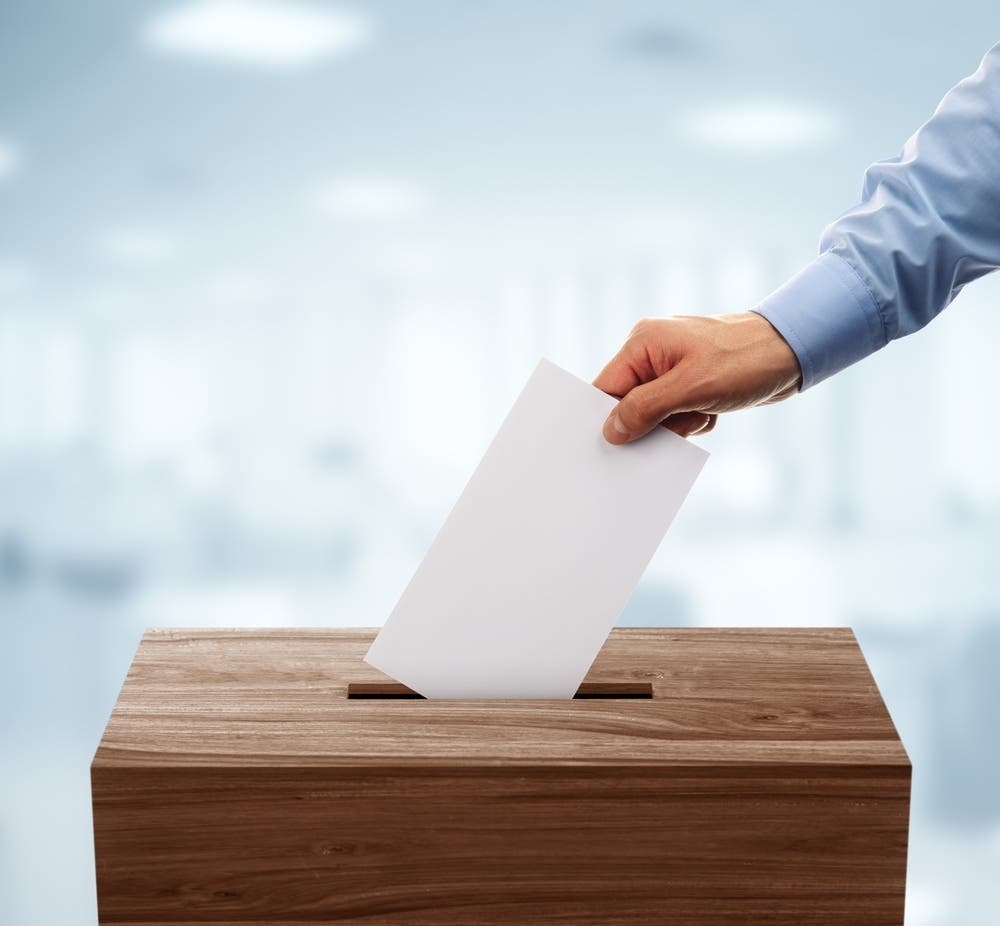
Despite twice being turned away by the Village Clerk, One Village, One Vote will have their election consolidation question on November ballots after a judge ruled in their favor Wednesday.
Find out what's happening in Ridgewood-Glen Rockfor free with the latest updates from Patch.
Judge Estela M. De La Cruz ruled last week that Village Clerk Heather Mailander violated the Faulkner Act by rejecting the group's second petition, filed on Aug. 13.
"This court concludes that Petitioners were deprived of a substantive right protected by the New Jersey Civil Rights Act when the Respondent, acting under color of law, completely prevented them, and therreby the voters of Ridgewood, from exercising that right to place the legitimate issue for a vote on the November 3, 2020 ballot," wrote De La Cruz.
Find out what's happening in Ridgewood-Glen Rockfor free with the latest updates from Patch.
In spite of the judge's decision, Mailander told Patch that she believes her initial ruling was the right one.
"As Village Clerk, I am obligated to follow NJ Statutes and, as such, stand by my certification that the petition is not sufficient," said Mailander.
Though Mailander is in disagreement with the ruling, the question will appear on ballots nonetheless.
So what's at stake in November?
For One Village One Vote, pushing for consolidated elections could solve two issues they believe are problematic: voter turnout and funding.
As a point of reference, the group cites the April 2019 election, in which voters cast ballots on the Ridgewood Public School budget.
Of the 18,262 registered voters, only 2,437 turned out for that election, or 14 percent of the electorate. The election, the group says, cost taxpayers $50,000.
"At best, this election was inefficient and at worst a thoughtless waste of Village resources and taxpayer money," they said.
The Village Council voted to move school board elections back to April in 2019, which allows voters to vote on the school district's budget.
According to a 2018 Patch report, 67 percent of villagers' tax bills go to the school district.
November elections in New Jersey don't require voter approval for school budgets, unless the proposed budget increases by more than 2 percent. In April, however, votes are cast on the budget regardless of increase.
Mayor Ramon Hache, at that 2018 meeting, said the decision was about right and wrong.
"It's not about making people happy. It's about what is right; 67 percent of tax dollars is not a small decision," Hache said. "The right and privilege to vote and the choice to vote, they are not the same. What empowers voters more is whether they choose to exercise it or not."
So what are voters tasked with choosing in November?
That would be whether they'll get to choose in April, or, perhaps, not at all.
Get more local news delivered straight to your inbox. Sign up for free Patch newsletters and alerts.