Crime & Safety
Local Cops Say Kyleigh's Law Won't Result in Profiling of Teen Drivers
The new law is set to go into effect in New Jersey on May 1.

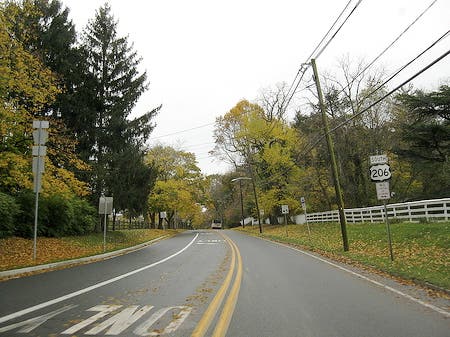
A new teen driving law has caused a stir amongst students, parents and civil rights activists across the state, but Scotch Plains and Fanwood police say the changes won't alter how they enforce the rules of the road.
Kyleigh's Law will, among other things, require all New Jersey teen drivers with learner's or exam permits or provisional licenses to attach an orange sticker to their vehicles. The new law, which was named after Kyleigh D'Alessio, a 16-year-old West Morris Central High student who was killed during a car crash in 2006 in which another teen was driving, was upheld by a judge on March 5 and is set to take effect May 1.
Those in support of the stickers say they will help alert police to those who may be in violation of the Graduated Driver License (GDL) restrictions, while also notifying others on the road that there's an inexperienced driver in their presence. But those against Kyleigh's Law say it discriminates against teens and makes them a target for predators.
"I know people are concerned," said Scotch Plains Police Lt. Brian Donnelly. "We've heard about it, 'is this going to be a profiling issue? They have a sticker, oh you're young, police will be looking for violations.' That's not the case. Our officers are professionals and just because someone's driving with a sticker doesn't mean we're going to follow you around and look for violations."
Fanwood Police Det. Eugene Chin concurs.
"Our guys aren't going to profile," he said. "It'll just alert them of a provisional driver and then they're going to look and see how many people are in the car."
Chin noted that Fanwood cops already make a handful of stops each month that catch teens in violation of their driving restrictions.
"In our cases, the officers are out there and kids are making motor vehicle violations," Chin said. "Provisional drivers do something wrong to initiate an officer's attention or initiate a motor vehicle stop, then boom, once they find out who's in the car, they issue a violation of the provisional license. We had one recently where the kid actually lied saying it was his brother in the car, then we separated them, found out it wasn't his brother, and charged him with giving false information to officers."
Chin said the new orange stickers won't change the nature of these motor vehicle stops.
"The guys will read the notice about the stickers and they will look for it, but I don't think they'll zoom in and go after them," he said.
The Scotch Plains police traffic bureau is in the process of educating its officers about the provisions of the new law and how to enforce it, but Donnelly said it won't change how they patrol the streets, either. But, if a teen is pulled over for a driving violation and is found to be without the sticker, they could face an additional summons.
"I don't know if there's a way to track to say, 'did you get it?'" Donnelly said of the sticker. "But if you don't get it, you run the risk of an officer stopping you and having additional fines because you don't have a decal."
Other media reports have stated that the orange stickers will cost drivers $4 and be available through the Motor Vehicle Commission.
Up until now, Donnelly said it's been relatively difficult for police to enforce teen driving laws if the teens aren't in violation of another road law.
"You look at someone and think, 'they're young, there's five people in the car, that's a violation.' Then you pull them over and find out the driver is 24 years old, and that he's just young looking," Donnelly said. "This takes the guess work out of it. It's an easier way to enforce. May we will get people to say, 'hey, I could get caught easier, I won't do it."
The Scotch Plains Police Department will continue its proactive approach to educating teens about driving safety and the laws, the lieutenant said. While he confirmed that the police department has received calls from parents worried that the stickers will make their teens more susceptible to criminals or sex offenders, Donnelly said those concerns won't change the safety advice that's given to teens.
"The young adult driving with that sticker still has to be cognizant of locking their door, don't pull over for just anyone who's flashing their lights," Donnelly said. "It's the same type of crime prevention talks we give now. Just because you have a sticker doesn't change what we'll tell you to do. … Driving is a privilege, and it yields a lot of power. I know people are upset, but the legislation's intent is for safety, to keep young adults from tragic accidents."
Find out what's happening in Scotch Plains-Fanwoodfor free with the latest updates from Patch.
Get more local news delivered straight to your inbox. Sign up for free Patch newsletters and alerts.