Politics & Government
Falling Natural Gas Prices Continue to Shake Up Regional Energy Markets
It's tough to argue with market dynamics, which makes it tougher on opponents of hydraulic fracturing.
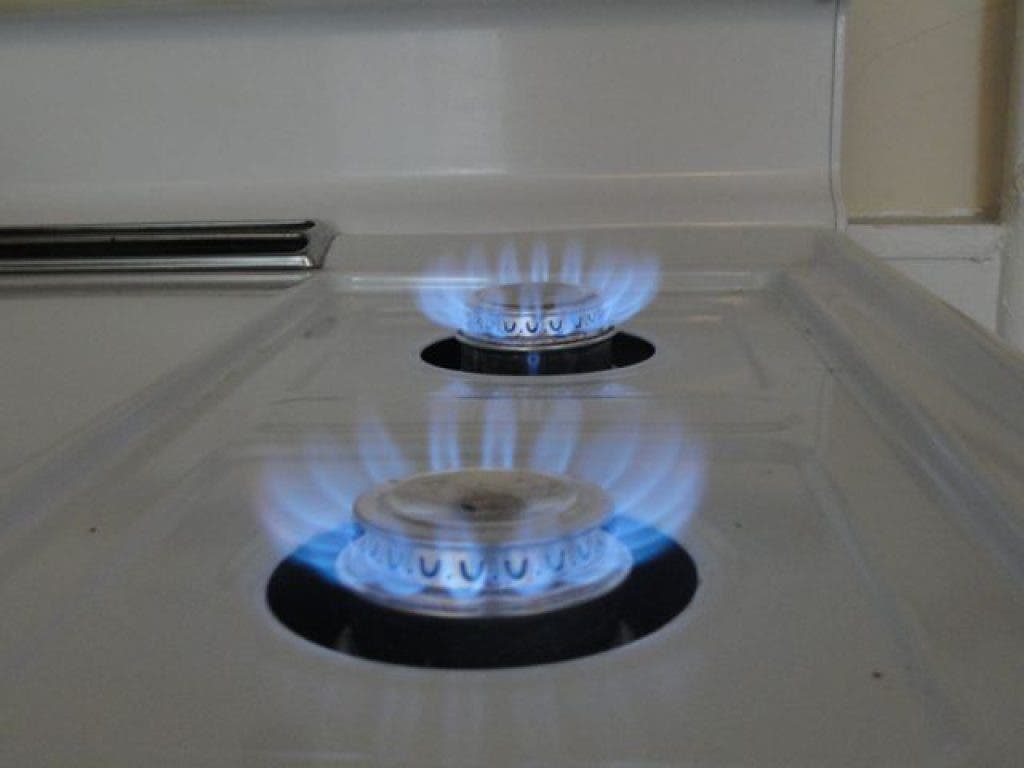
Natural gas continues to play a major role in shaping energy markets in the Mid-Atlantic region, including in New Jersey, according to the operator of the nation’s largest power grid.
In a presentation yesterday to the Federal Energy Regulatory Commission, a PJM Interconnection executive said that more than half of the proposed power plants in the region, which would deliver a total of about 70,000 megawatts, involve natural-gas fired generation.
Gas consumed in the regional energy market increased from 14 percent last year (2011) to 20 percent year to date, according to PJM. This reflects the fact that this area benefits from two major shale gas supplies -- the Marcellus and Utica formations -- considered the two largest shale gas reserves in the country.
Find out what's happening in South Brunswickfor free with the latest updates from Patch.
The dynamics of the market appear to clash with many environmental groups who oppose extracting natural gas with hydraulic fracturing. Critics argue that the process, dubbed "fracking" by foes, endangers the drinking water of millions of people in New Jersey and the surrounding area.
Fracking injects huge quantities of water, as well as a smaller amount of chemicals, into shale formations where large deposits of natural gas have been found. It has fueled a boom in natural gas, which has helped lower electricity prices for consumers and businesses.
Find out what's happening in South Brunswickfor free with the latest updates from Patch.
The Christie administration views natural gas as playing a central role in the state’s energy future, a policy reflected in the new Energy Master Plan adopted last year and in bipartisan legislation signed by the governor. The law guarantees ratepayers’ subsidies to help build two gas-fired power plants in the state.
PJM, which serves 50 million people in a territory stretching from the Eastern Seaboard to Illinois, would also benefit because it has the largest concentration of interstate gas pipelines of any other organized electricity market, with 32 pipelines. One gas executive called it the “best-piped region in the country.’’
The discovery of vast new sources of natural gas has resulted in massive changes in the energy sector, according to energy analysts.
“It’s really changed the entire landscape in the energy sector,’’ said Paul Patterson, an energy analyst at Glenrock Associates. Natural gas has not only lowered the cost of electricity, but also created hurdles for other types of energy generation, such as nuclear.
With tough new air pollution rules likely to lead to the closing of many coal-fired plants, which until recently supplied the bulk of the electricity in the country, natural gas is viewed as a bridge fuel to other, cleaner sources of power.
Continue reading on NJSpotlight.com.
NJ Spotlight is an issue-driven news website that provides critical insight to New Jersey’s communities and businesses. It is non-partisan, independent, policy-centered and community-minded.
---
Follow Patch on Facebook.
Visit www.facebook.com/SouthBrunswickPatch and like us. You can also find us on Twitter at twitter.com/SBrunswickPatch.