Politics & Government
Hospitals Pleased with Christie’s Budget Proposal, Despite 2 Percent Cut
Graduate medical education to get $10 million boost, while some distressed hospitals will see $30 million cut.
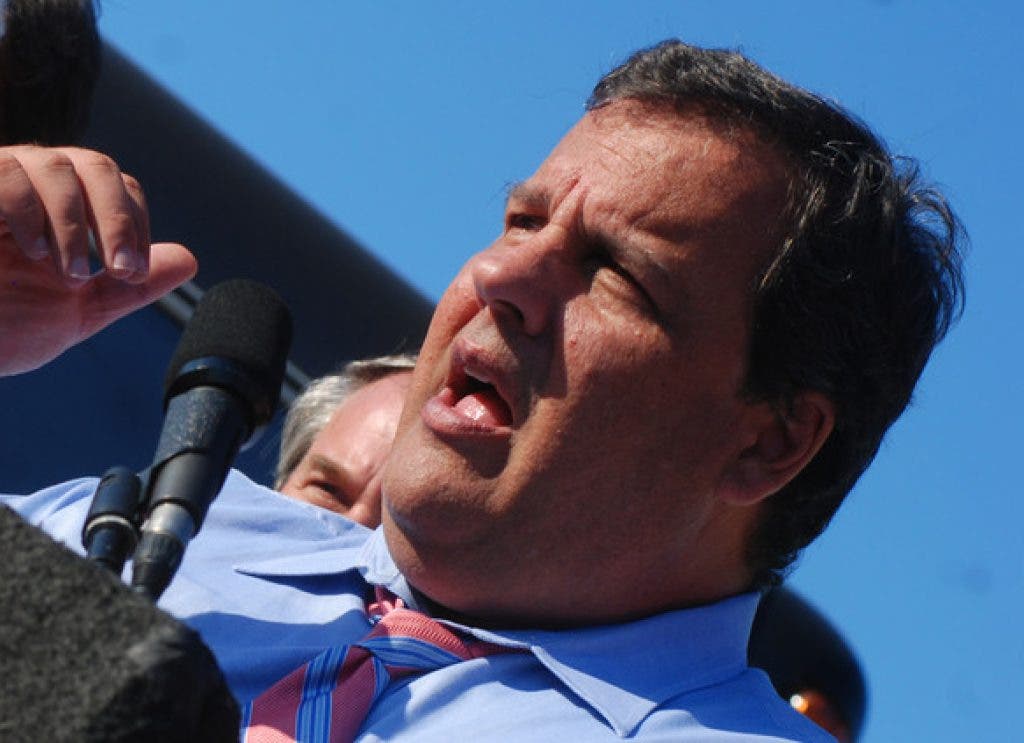
Advocates for New Jersey’s hospitals were pleased with Gov. Chris Christie’s budget proposal for the upcoming fiscal year, despite elimination of a $30 million fund to aid hospitals facing financial distress.
Hospital advocates said the $966.3 million in state and federal money for hospitals showed Christie’s commitment to healthcare at a time when some of the funding was under threat.
The total budgeted for hospitals represents a $20 million, or 2 percent, reduction from the current level.
Find out what's happening in South Brunswickfor free with the latest updates from Patch.
The cut was due to elimination of the Health Care Stabilization Fund, which state officials said was dropped after the federal government ended its half of the funding for the program. The fund was designed to help hospitals facing financial distress or closure to continue to offer services.
Christie proposed a $10 million increase for graduate medical education, which hospitals hope to use to retain medical residents in the state. This and other areas of hospital funding are being supported through matching funds from the federal government, which is expanding healthcare spending through the 2010 Affordable Care Act.
Find out what's happening in South Brunswickfor free with the latest updates from Patch.
The budget also included a shift in how $166.6 million in state and federal funds will be distributed. Instead of being used to pay hospitals for services provided to Medicaid and uninsured patients, the money will be paid to hospitals for innovative projects they develop to improve how they deliver care, known as delivery system reform incentive payments or DSRIP.
The state and federal governments are each contributing $83.3 million of the funding for the initiative
Suzanne Ianni, president and CEO of the Hospital Alliance of New Jersey, said this funding would have been eliminated due to technicalities arising from the state’s successful application for a waiver from federal Medicaid rules. However, through negotiations with federal officials, the state was able to maintain the funds to be used to improve how care is delivered, she said.
Sean Hopkins, senior vice president of health economics for the New Jersey Hospital Association, said the shift to DSRIP reflects the federal government’s focus, since the ACA’s enactment, on encouraging better care at lower cost. He expects the details of how the payments will be awarded to hospitals to be released in the coming months.
Ianni said she expects the state to work with hospitals that will no longer receive money from the eliminated Health Care Stabilization Fund. Eight hospitals received $30 million last year, with St. Mary’s Hospital of Passaic receiving the largest amount, $9.5 million.
“While we’re disappointed that program is no longer is in existence, we look forward to working with the Christie administration” to make sure these hospitals can continue to provide access, Ianni said.
The largest category of direct government funding for hospitals is the charity care program, which would receive the same $675 million under Christie’s proposal as in the current budget.
This constant level of funding could actually improve hospitals’ financial position, according to Hopkins.
That is due to a combination of factors. The demand for charity care may fall in the next year as thousands of currently uninsured residents receive insurance due to a Medicaid expansion announced by Christie. Combined with constant state funding, this would reduce the amount of care that hospitals must provide without being reimbursed, the cost of which far exceeds the charity care subsidy.
Continue reading on NJSpotlight.com.
NJ Spotlight is an issue-driven news website that provides critical insight to New Jersey’s communities and businesses. It is non-partisan, independent, policy-centered and community-minded.