As the American Revolution approached, the community felt the effects of oppressive British regulation bearing down on them. This caused them to adhere to boycotts on imported goods.
At this point, commercial emphasis switched to milling, brewing and baking, which was a huge change in the local philosophy and profits. Early in the Revolutionary War, New Brunswick and Raritan Landing were occupied by the British Army.
An eyewitness account claims the community sustained considerable damage and heavy losses. The community was rebuilt in the late 18th century.
Find out what's happening in South Brunswickfor free with the latest updates from Patch.
One observer described the scene, Landing Lane was “lined with blacksmith shops, copper shops, stores and warehouses” in 1825.
Transportation developments in the 1830’s doomed Raritan Landing. The Delaware and Raritan Canal and the railroad changed the way goods were being transported and made those items arrive at a faster pace, which damaged the Landing’s reason to exist.
Find out what's happening in South Brunswickfor free with the latest updates from Patch.
By the 1870’s the community was mostly dismantled and converted to pasture land.
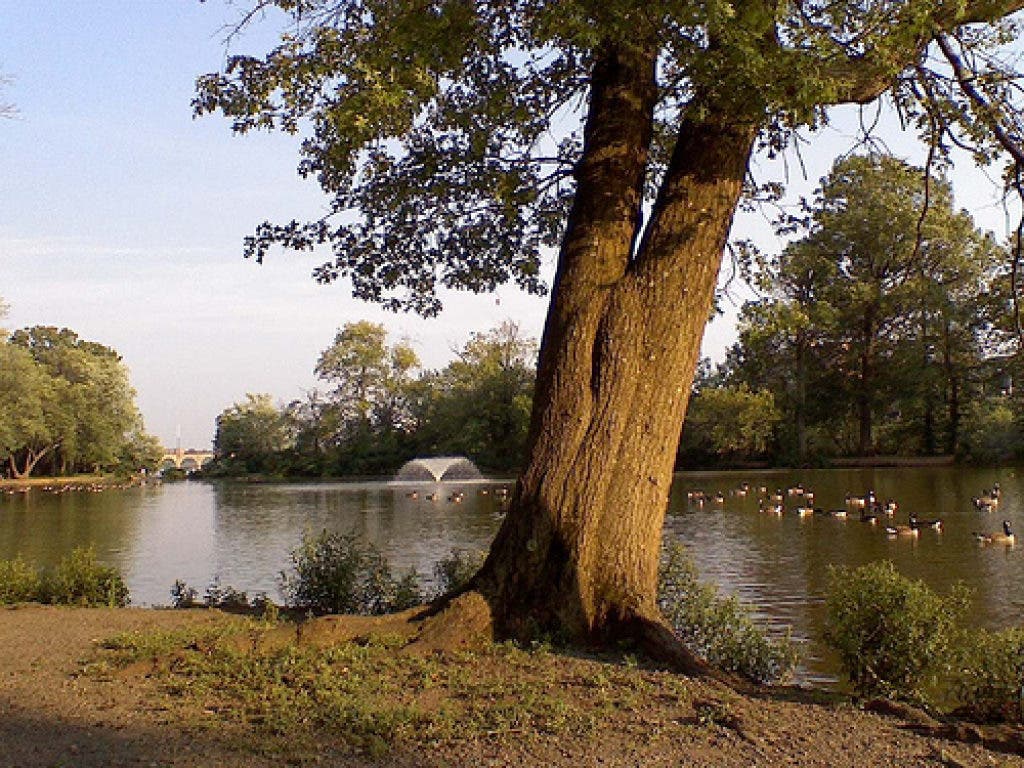
The Cornelius Low house still stands on the ledges above Raritan Landing. It offers a view of this area, where one can imagine those ships running up river and down river, bringing those vital imports and exports to central New Jersey.