Kids & Family
Snapshots of New Jersey: My Prehistoric Back Yard
Outside of Princeton it's possible to peer millions of years into the past -- if you know where to look.
By Elizabeth Romanaux
[Elizabeth Romanaux is the director of communications at Liberty Science Center.]
Birdbaths. Hammocks. Gazebos … Many backyards evoke tranquility.
Find out what's happening in South Brunswickfor free with the latest updates from Patch.
My Princeton-area backyard features an enormous, tilted slab of black rock. Known as diabase, it's the cooled remnant of a layer of magma that once forced its way between cracks in the earth to form the Watchung Mountains
The cracks opened from Nova Scotia to North Carolina some 200 million years ago as a supercontinent -- composed of parts of Europe, South America, Africa, and North America -- broke apart. The largest cracks joined together and continued to spread, forming the Atlantic Ocean, which is still opening at the speed our toenails grow.
Find out what's happening in South Brunswickfor free with the latest updates from Patch.
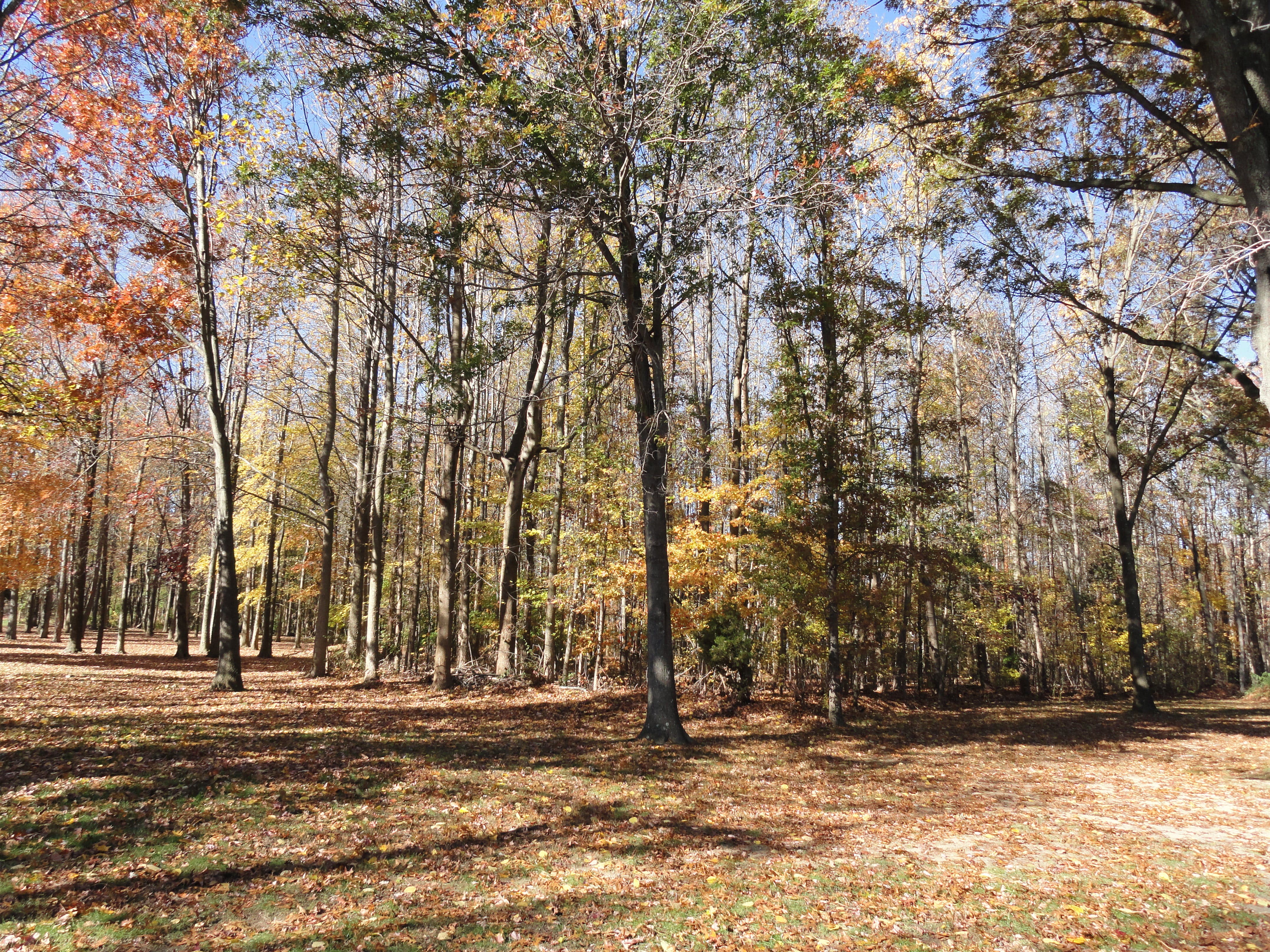
I often walk through the deep woods behind my house to visit the thick, tilted sheet of rock, too steep to stand on, and think about what it must have been like when magma coursed through the ground.
I would have enjoyed the hot springs I assume dotted the landscape but not the upwellings of poisonous gases and the frequent earthquakes that would have occurred during the millions of years it took for things to settle down from all the volcanic activity.
If you look at Google Earth, and follow Lake Carnegie to the north of town, you’ll see a huge pit, a deep scar on the landscape. This is the Trap Rock Quarry outside of the aptly named village of Rocky Hill. Starting in the 1700s and continuing today, the underlying diabase has been quarried for rubble and crushed stone.
The quarry is breathtakingly deep, and the rock seems to go on forever. I live on the other side of the rocky hill, a sparsely populated haven of woods and fields that shelters bats, coyotes, screech owls, turkeys, and other wild delights.
In a section of Princeton known as “the Ridge,” the wooded areas are strewn with large boulders. As a child, I assumed they were glacial deposits, but the glaciers never came this far south. These are more remnants of diabase, eroded into smaller chunks.
The diabase flows covered most of the nascent New Jersey that existed 200 million years ago, before the sands of Middlesex, Monmouth, Ocean, Atlantic, and Cape May were laid down, when the Princeton area was near the sea.
Continue reading on NJSpotlight.com.
NJ Spotlight is an issue-driven news website that provides critical insight to New Jersey’s communities and businesses. It is non-partisan, independent, policy-centered and community-minded.
---
Follow Patch on Facebook.
Visit www.facebook.com/SouthBrunswickPatch and like us. You can also find us on Twitter at twitter.com/SBrunswickPatch.