Politics & Government
3 Ocean County Horses Euthanized Due To Equine Encephalitis
A horse in Monmouth County and an alpaca in Camden County also have been euthanized because of the illness, officials said.


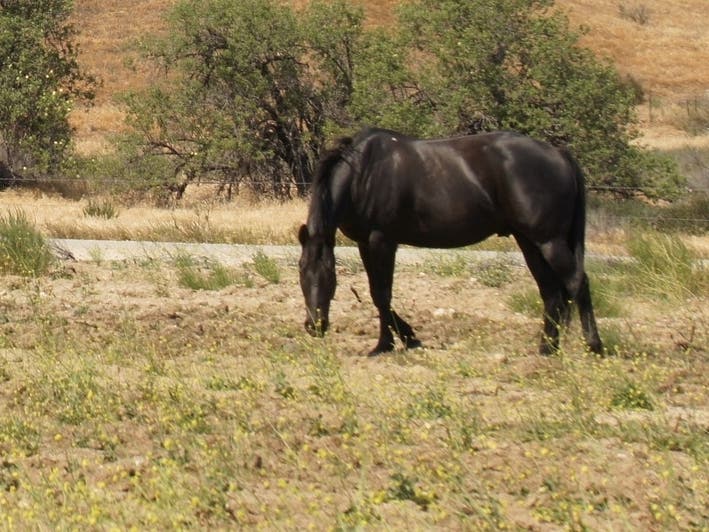
TRENTON, NJ — Three horses in Ocean County have been euthanized this summer after they contracted Eastern equine encephalitis, state officials have announced.
The state Department of Agriculture said there have been five cases of the mosquito-borne illness in 2019 so far, with a horse in Monmouth County and an alpaca in Camden County also euthanized.
The most recent Ocean County horse was a 2-year-old gelding, state officials said. The first case in 2019 was a 12-year-old mare that had been vaccinated against Eastern equine encephalitis in April, officials said.
Find out what's happening in Toms Riverfor free with the latest updates from Patch.
The alpaca was 7 years old, and officials did not know whether it had been vaccinated.
EEE has been known to affect both horses and camelids, such as alpacas. EEE causes inflammation of the brain tissue and has a significantly higher risk of death in horses and camelids than West Nile Virus infection. West Nile Virus is a viral disease that affects horses’ and camelids’ neurological system. The disease is transmitted by a mosquito bite. The virus cycles between birds and mosquitoes with horses, camelids and humans being incidental hosts. EEE infections in horses and alpacas are not a significant risk factor for human infection because horses and camelids (like humans) are considered "dead-end" hosts for the virus.
Find out what's happening in Toms Riverfor free with the latest updates from Patch.
"These cases are reminders that it is imperative for horse and alpaca owners to be vigilant in vaccinating their animals against diseases spread by mosquitoes," New Jersey Secretary of Agriculture Douglas H. Fisher said. "Vaccinated animals are much less likely to contract deadly diseases such as Eastern Equine Encephalitis. Vaccination is the most effective strategy and effective equine vaccines are available commercially. Horse and alpaca owners should also consider using fans in barns and mosquito repellents."
Effective vaccines for EEE and WNV are available commercially. Horse and alpaca owners should contact their veterinarians if their animals are not already up-to-date on their vaccinations against both EEE and WNV.
For more information about EEE, visit the New Jersey Department of Agriculture web site at http://www.nj.gov/agriculture/divisions/ah/diseases/diseaseworksheets.html
EEE and West Nile virus, like other viral diseases affecting horses’ neurological system, must be reported to the state veterinarian at 609-671-6400 within 48 hours of diagnosis. The New Jersey Animal Health Diagnostic Laboratory is available to assist with EEE and WNV testing and can be reached at 609-406-6999 or via email –jerseyvetlab@ag.state.nj.us.
Have a news tip? Email karen.wall@patch.com Follow Toms River Patch on Facebook.
Get more local news delivered straight to your inbox. Sign up for free Patch newsletters and alerts.