Politics & Government
Lawmakers Pass Bill To Legalize Assisted Suicide In NJ
New Jersey Gov. Phil Murphy needs to sign the bill for it to become law. Here's what the bill does.


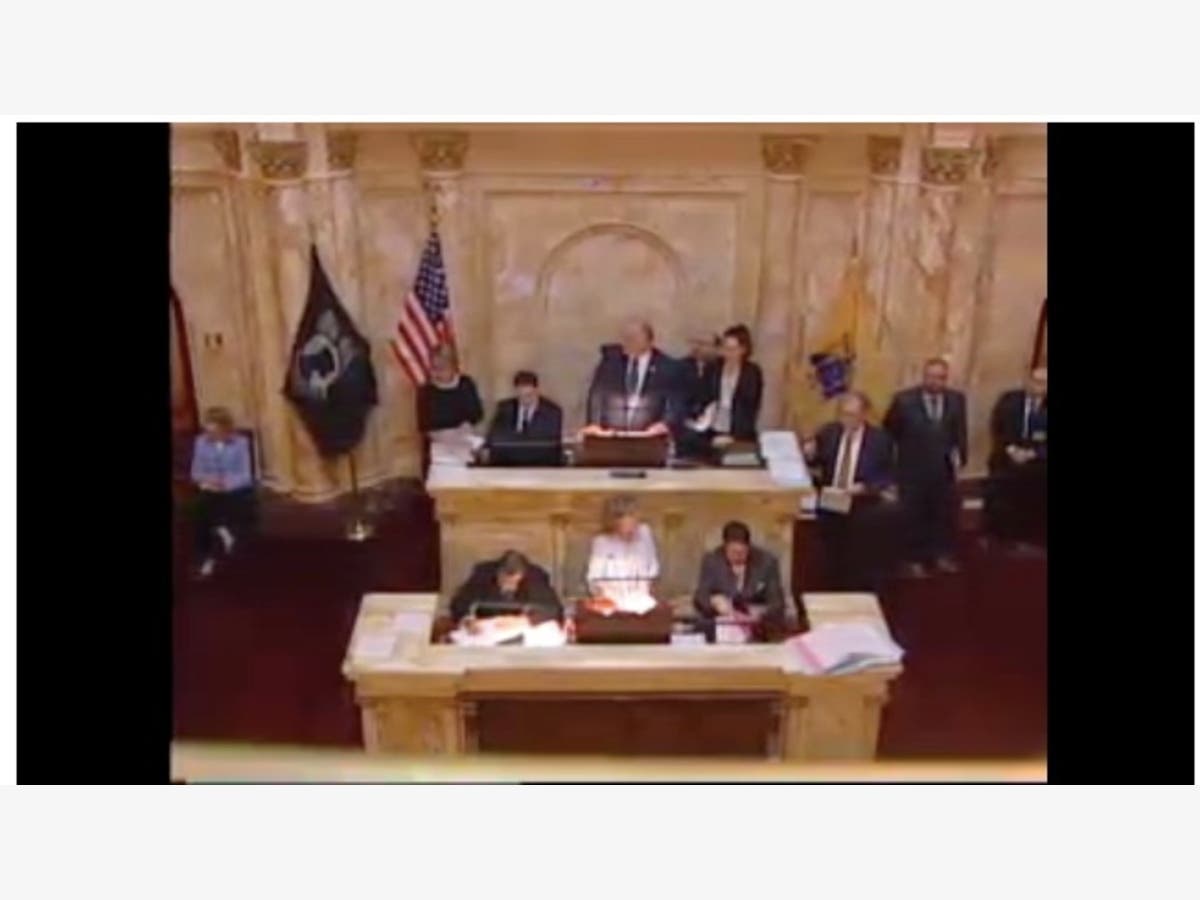
New Jersey moved much closer to legalizing assisted suicide on Monday, with lawmakers passing a bill that creates a process for terminally ill patients with less than six months to live to seek medical assistance to end their lives.
The Assembly passed the bill by a 41-33 vote, while the Senate voted 21-16 in favor. Gov. Phil Murphy needs to sign the bill for it to become law, and the governor signaled that he will.
“Allowing terminally ill and dying residents the dignity to make end-of-life decisions according to their own consciences is the right thing to do," he said after the vote. "I look forward to signing this legislation into law.”
Find out what's happening in Toms Riverfor free with the latest updates from Patch.
Other supporters of the bill praised the legislation, while opponents said lawmakers "shouldn't play God" and make decisions to end lives on their own.
Sen. Richard Codey, D-Essex, said the bill helps "advance society" to become a better one that shows people mercy.
Find out what's happening in Toms Riverfor free with the latest updates from Patch.
"I believe this bill is the right decision," said Sen. Nicholas Scutari, R-Union. "There is nothing more you'd like to do than to put people (who are suffering) out of their pain."
The legislation comes as lawmakers failed to conjure up enough votes to pass legislation that would legalize marijuana. That vote was also expected on Monday, but it was canceled. Read more: New Jersey Cancels Vote On Marijuana Legalization
The assisted suicide bill, S1072, entitled the "Medical Aid in Dying for the Terminally Ill Act," would allow adults to end their lives as long as they have the capacity to make health care decisions. Their physicians also have to determine if they are terminally ill.
The bill contains a number of safeguards and procedures that lawmakers say would "ensure the integrity and safety of the process," including:
- A patient must have a prognosis of six months or less to live to request and be prescribed medication under the bill.
- The bill defines a "terminal disease" as an irreversible disease that has been medically confirmed and will result in a patient's death within six months.
- It would cover: an adult resident of New Jersey who is capable and has been determined by the patient's attending physician and consulting physician to be suffering from a terminal disease, and has voluntarily expressed a wish to die.
- The bill would require patients suffering from a terminal disease to first verbally request a prescription from their attending physician, followed by a second verbal request at least 15 days later.
- The attending physician would have to offer the patient a chance to rescind the request.
- A consulting physician would then be called upon to certify the original diagnosis and reaffirm the patient is capable of making a decision.
- It would also require one request in writing signed by two witnesses. A valid request for medication must be signed and dated by the patient and witnessed by at least two individuals who, in the patient's presence, attest that the patient is capable and is acting voluntarily to sign the request.
- Only the patient would be permitted to administer the drug to themselves. At least one of the witnesses must be a person who is not: 1) a relative of the patient; 2) entitled to any portion of the estate of the patient; 3) an owner, operator, or employee of a health care facility where the patient is receiving treatment, or 4) the patient's physician.
- The bill requires that the patient's attending physician recommend that the patient participate in a consultation concerning additional treatment opportunities, palliative care, comfort care, hospice care, and pain control options, and provide the patient with a referral to a health care professional qualified to discuss these options.
- The attending physician would be required to document the recommendation in the patient's medical record, and indicate whether the patient chose to participate in the consultation, and whether the patient is receiving palliative, comfort or hospice care.
Assisted suicide is currently permitted in seven other states and the District of Columbia. This bill was modeled after the Oregon "Death with Dignity Act," which has been in effect for 15 years.
The overwhelming majority of patients who requested medications in the other states were in hospice care, lawmakers say.
"This bill will allow people to make the most informed decision at the most pivotal moment of their lives," said Codey, D-Essex. "Rather than waiting for the inevitable in pain and misery, this bill gives terminally ill patients the choice to meet their end on their own terms. We cannot prevent them from dying, but we can at least allow them to do it with dignity."
Get more local news delivered straight to your inbox. Sign up for free Patch newsletters and alerts.