Health & Fitness
COVID In NJ Now An 'Endemic': What It Means For You
Gov. Phil Murphy is set to declare the public health emergency over, and mandates are ending. What will "normal" mean?


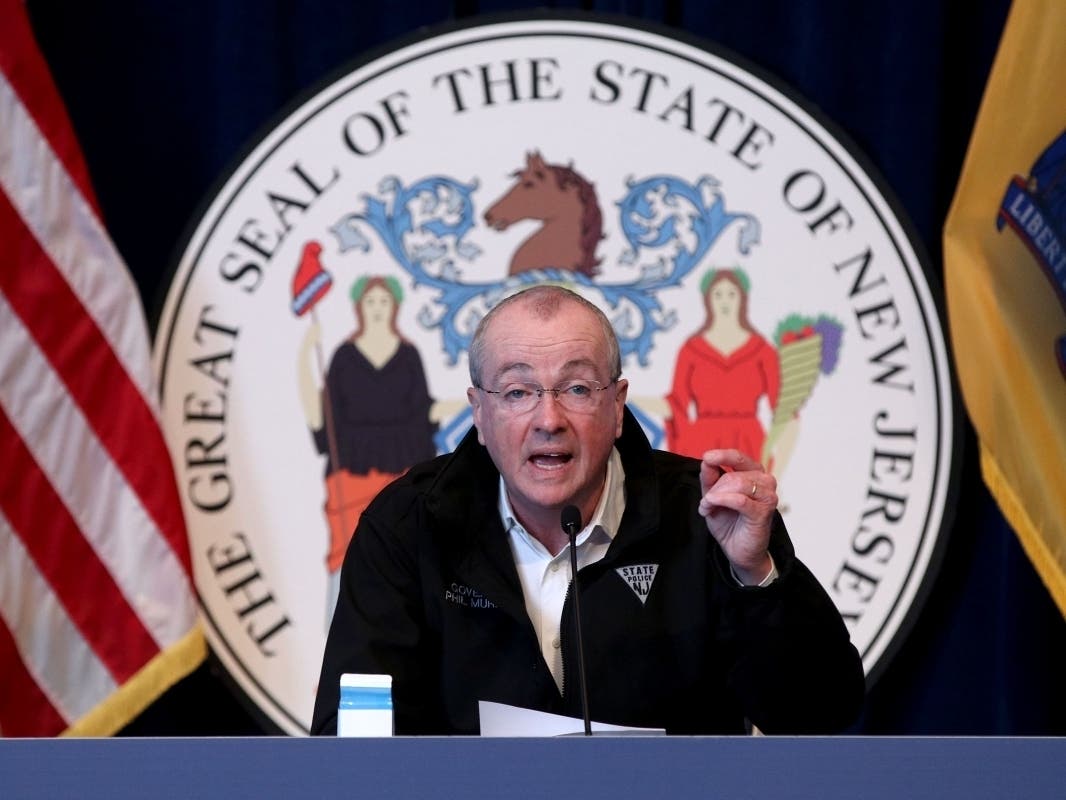
TRENTON, NJ — Two years after the first case of the coronavirus was confirmed in New Jersey, Gov. Phil Murphy signed an executive order Friday formally ending the last major mitigation requirements that have been in place since March 2020.
That includes removing masking mandates for schools, “the last major mitigation measure we had in place,” Murphy said Friday in his final coronavirus briefing.
“As the coronavirus moves from pandemic to endemic and as we transition away from crisis management to a more normal way of life, it is the right time,” Murphy said. “We’re ready to move forward and not live our lives in fear.”
Find out what's happening in Toms Riverfor free with the latest updates from Patch.
While transmission rates and positivity rates have fallen to low levels in New Jersey, the coronavirus crisis continues to be labeled a pandemic by the World Health Organization, as globally the virus continues to sicken millions and continues to evolve, according to an al-Jazeera report.
"Defining endemic is still a work in progress," said Dr. Christina Tan, the state epidemiologist, who said the severity of illness in the community — hospitalizations and deaths — are looked at more closely in how the illness is viewed. "The concept of living with the virus encompasses that ongoing need for us to take the personal responsibility of understanding our risk ... and taking the measures to protect our health."
Find out what's happening in Toms Riverfor free with the latest updates from Patch.
"(Endemic) doesn't mean we're putting out a sign that says mission accomplished and the virus is gone and it's not going to cause us any issues or problems down the road," said Dr. Edward Lifshitz, medical director of the state Health Department. "There will be times it will get worse and people will take more precautions."
The order Murphy signed, Executive Order 292, ends the public health emergency he declared in January as the omicron variant led to a surge in COVID-19 infections.
It has exceptions that provide for the state’s continuing efforts to get people vaccinated and that allow the state to coordinate its ongoing response to impacts from the coronavirus. (You can read Executive Order 292 here.)
“It will also maintain the normal state of emergency," Murphy said, "like the state of emergency that was declared in the aftermath of Superstorm Sandy by then-Governor Chris Christie in 2012 and remains in effect to this day," nearly 10 years after the storm that devastated the Jersey Shore.
Keeping the state of emergency in place allows the state to receive and distribute federal funding related to the virus without any red tape, Murphy said.
“Like the Superstorm Sandy order, this (executive order) will not impact your daily life in one even small way,” Murphy said.
What does remain in place come Monday will be voluntary masking and mitigation in most places. Private businesses will be able to set requirements for customers, but those won’t be required by the state.
Many businesses have signs urging masks but few require them.
Some school districts have opted to continue masking in the schools, but the majority of New Jersey school children and staff members will have the option to wear them or not wear them starting Monday, many districts have said.
COVID-19 transmissions in schools have fallen over the past two weeks. "We're in a very good place," Murphy said, adding the totals are "back to where it had been trending from September until omicron showed up."
Murphy said the mask mandate in state buildings likely will end not long after Monday.
"Let's get through Monday with the schools," he said.
At the state level, in addition to ongoing efforts to provide vaccinations and testing, the state's coronavirus data dashboard will continue to be updated with case counts, hospitalizations and deaths. A new page with information on breakthrough cases will be added, he said.
There have been more than 1.87 million cases of the coronavirus in New Jersey since the first case March 4, 2020, and as of Friday, 30,031 people are confirmed to have died as a result of COVID-19 complications. Read more: COVID's 2-Year Anniversary: See NJ Pandemic Life In Photos
Murphy paid tribute to the sacrifices over the last two years, choking up as he spoke about those who died and holding moment of silence to honor them.
"We have asked so much of every New Jerseyan for the last two years," Murphy said as he paid tribute to the sacrifices and efforts made since he declared the initial state of emergency on March 9, 2020, five days after the first case was identified. "You have overwhelmingly delivered and then some."
"Given the enormous progress we have made, the time for large-scale mitigation measures has passed and hopefully never will return," Murphy said.
Read also: It's Been A Year Since COVID-19 Arrived In NJ: A Look Back
"I'd love to say that by our last briefing this is over, it's come to an end. It's not," Murphy said. "We think we can responsibly live with COVID. But an endemic means it remains in our midst. The flu is still with us 104 years after the flu of 1918."
Get more local news delivered straight to your inbox. Sign up for free Patch newsletters and alerts.