Health & Fitness
As Temps Plummet, Be Careful Of Frostbite, Hospital Warns
Frostbite and hypothermia are real dangers right now; the chief doctor of Community Medical Center's ER warns of symptoms and what to do.


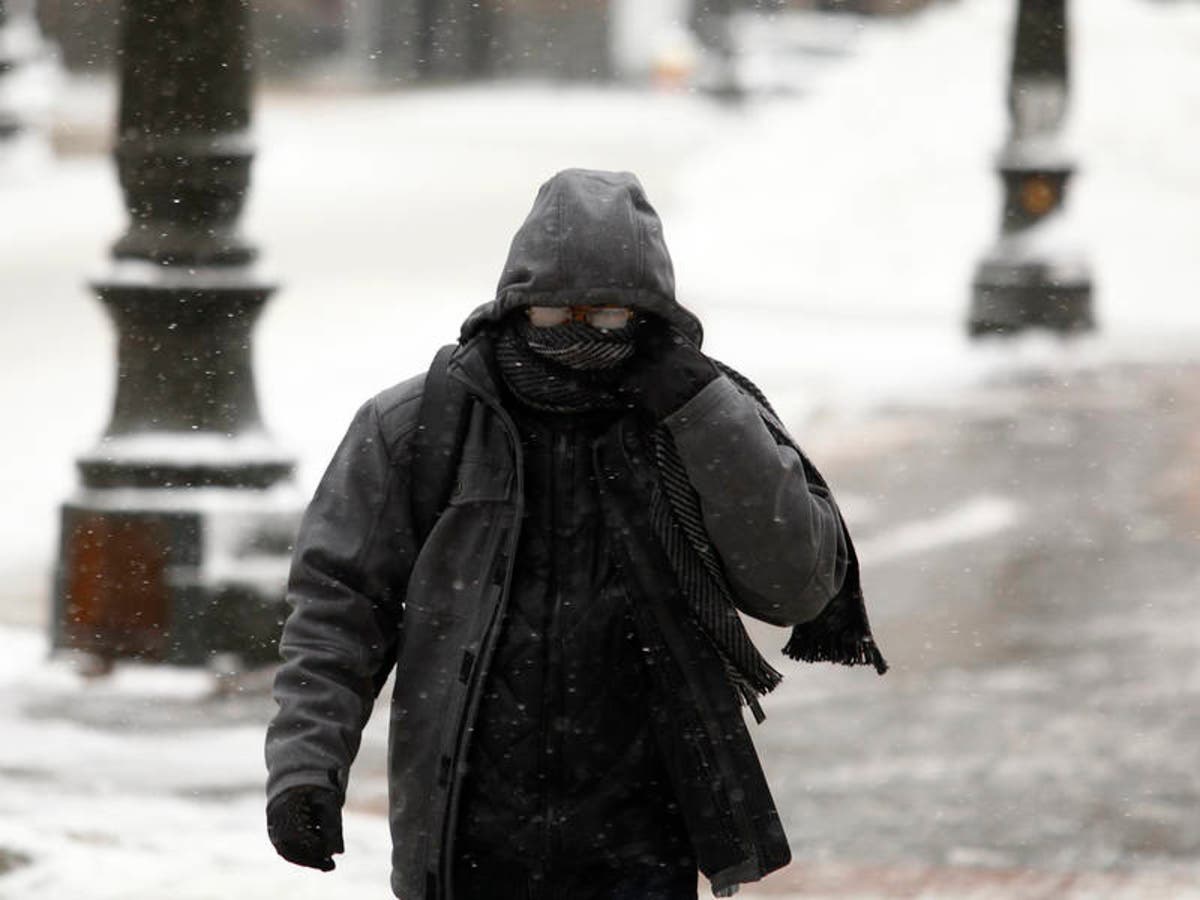
TOMS RIVER, NJ — If you're spending your day shoveling out or planning to take your kids sledding this weekend, you'll be dealing with frigid temperatures.
Temperatures are expected to drop into single digits today through Saturday night, but with wind gusts 35 to 45 mph along the Jersey Shore, it will feel well below zero.
With that in mind, Community Medical Center in Toms River issued a warning and some advice regarding the potential for frost bite that is a risk in such freezing temperatures:
Find out what's happening in Toms Riverfor free with the latest updates from Patch.
"It’s important to recognize the signs of cold injury and how to prevent it. There are three degrees of cold injury: frostnip, superficial frostbite and deep frostbite.
Frostbite is caused when body tissue — usually exposed body parts away from your core like fingers, toes, ears or nose — freezes due to prolonged exposure to cold and a low wind-chill factor.
Find out what's happening in Toms Riverfor free with the latest updates from Patch.
Dr. Vikram M. Varma, chair of the Emergency Department at Community Medical Center, cautions individuals to avoid exposure to frigid temperatures.
"Frostbite can result in permanent damage to affected tissues," Varma said. "In extreme cases, frostbite may lead to amputation of affected areas."
Know the symptoms
Frostnip is a mild form of frostbite where only the skin freezes. Signs of frostnip include:
- Skin that appears yellowish or white but feels soft if touched
- Painful tingling or a burning sensation
Signs of superficial frostbite include:
- A "pins and needles" feeling followed by numbness
- Hard, pale and cold skin
- Aching or throbbing
- Lack of sensation; you may not feel the affected body part if someone touches you there.
- Red and painful as the skin thaws
The longer the exposure, the worse frostbite will get. Severe frostbite affects all layers of the skin and the tissue beneath. Signs of severe frostbite include:
- Blisters
- Gangrene (blackened, dead tissue)
- Damage to tendons, muscles, nerves and bone
Varma warns that those with signs of superficial or deep frostbite should seek immediate emergency medical help.
"And unless absolutely necessary, do not walk on frostbitten feet or toes, this will just increase the damage. Do not rub or massage the area, either, as this can cause more damage as well," Varma said.. "And although it may be your first instinct, do not use a heating pad, fireplace or radiator for warming since the affected areas are likely numb and can be burned easily."
"To treat frostbite at the first signs, move to a warm location as fast as possible and soak the affected area in warm, not hot, water," Varma said. "Or you can warm the affected area using body heat. For example, frostbit fingers can be warmed under your armpits."
In frigid conditions hypothermia can also occur. Hypothermia is a significant drop in body temperature caused by extended exposure to freezing temperatures. Hypothermia occurs when your body begins to lose heat faster than it can be produced.
Signs of hypothermia include: stiff muscles, puffy face, slurred speech, uncontrollable shivering, slowed breathing, poor physical condition and mental confusion. If these symptoms are present, call 911 immediately.
Tips for Preventing Frostbite and Hypothermia
With the bitter cold expected this weekend, Varma recommends staying indoors, but if you must go outside, dress smart – wear mittens, not gloves; wear wind-proof, water-resistant, and layered clothing; wear two pairs of socks; cover your ears; cover your head with a hat or scarf to avoid substantial heat loss through the scalp.
File photo by Joshua Lott / Getty Images
Get more local news delivered straight to your inbox. Sign up for free Patch newsletters and alerts.