Neighbor News
Declining Estrogen Linked to Hormonal Symptoms: 5 Ways to Support Your Body and Relieve Symptoms
Declining estrogen can affect sleep, mood, metabolism, bones, and more. Discover 5 ways to support your body and relieve symptoms.

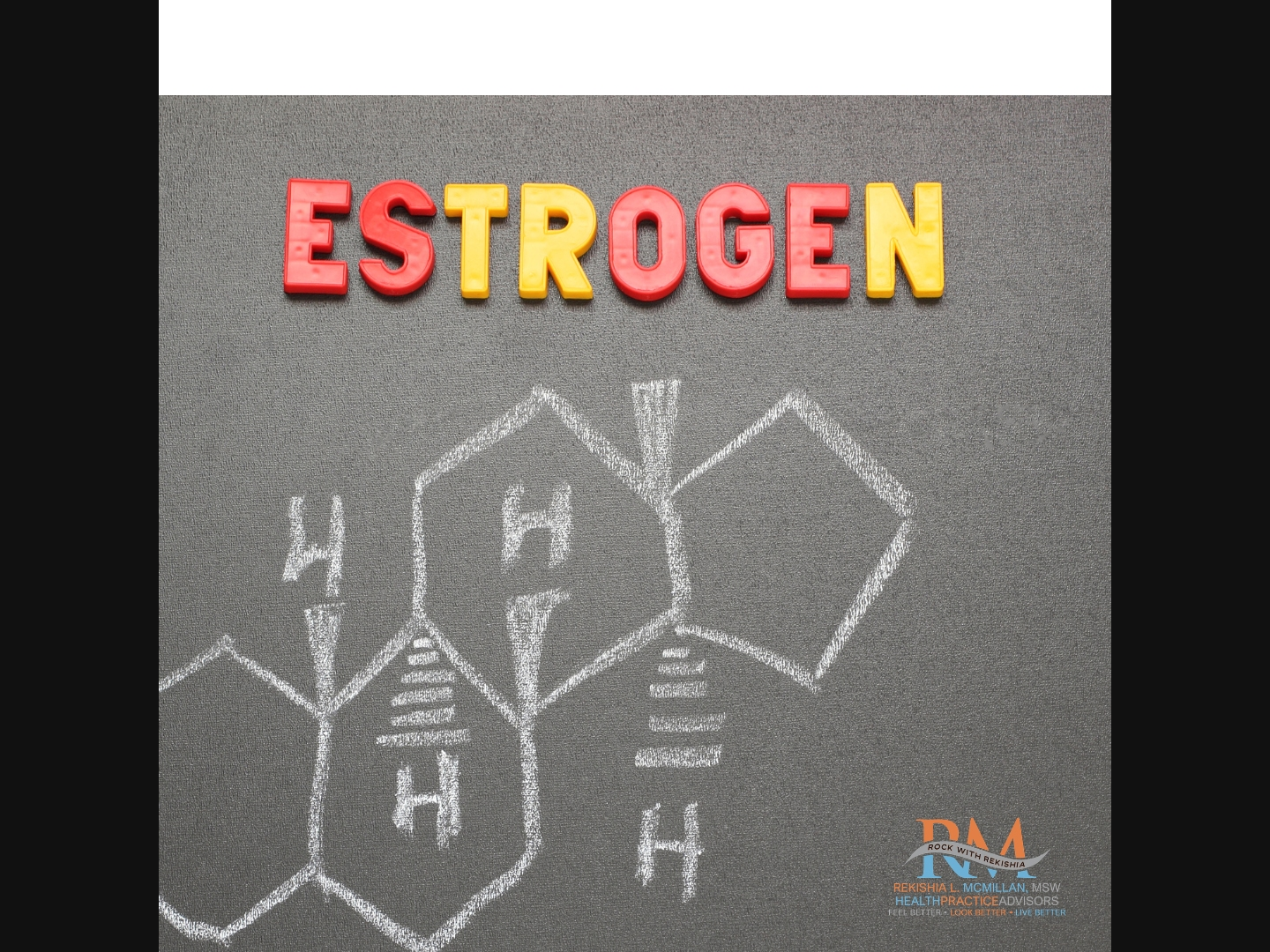
If you're moving through perimenopause or menopause and suddenly feel like your body has changed overnight, you're not alone.
Maybe you're experiencing hot flashes, waking up in the middle of the night, dealing with brain fog, noticing changes in your mood or waistline, or wondering why your joints don't feel the way they used to.
Find out what's happening in Trentonfor free with the latest updates from Patch.
These changes can be frustrating—especially when you haven't changed much about your daily routine.
But there's an important piece of the conversation we need to understand: estrogen is much more than a reproductive hormone.
Find out what's happening in Trentonfor free with the latest updates from Patch.
As estrogen fluctuates during perimenopause and eventually declines after menopause, multiple systems throughout the body can be affected—including the brain, bones, cardiovascular system, muscles, and metabolism.
That doesn't mean every symptom is caused by low estrogen, and it doesn't mean every woman needs estrogen replacement therapy. But understanding the role estrogen plays can help us shift the question from:
"What's wrong with me?"
to:
"What's changing inside my body, and how can I support it?"
Here are five areas to focus on as your hormonal environment changes.
1. Nutrition: Add Phytoestrogen-Rich Foods
One of the most interesting areas of nutrition research involves phytoestrogens—naturally occurring plant compounds that can interact with estrogen receptors.
Phytoestrogens are not the same as human estrogen. Rather than simply "adding estrogen" to the body, some plant compounds may have estrogen-like or estrogen-modulating effects.
Food sources include:
- Soybeans and minimally processed soy foods
- Ground flaxseed
- Lentils
- Chickpeas
- Sesame seeds
- Certain fruits and vegetables
Soy is often misunderstood. Soy contains isoflavones, a type of phytoestrogen, but consuming soy does not simply mean you're adding human estrogen to your body. These compounds interact with estrogen receptors differently, which is why individual health circumstances matter.
Research has explored soy isoflavones and flaxseed lignans for their potential role in supporting certain menopausal symptoms, including hot flashes.
Start With Food
Rather than focusing on a single "menopause food," think about food diversity and consistency.
Try adding ground flaxseed to oatmeal or meals, including lentils or chickpeas in salads and soups, or incorporating edamame or tofu if soy works well for you.
One of my favorite food hacks is using ground flaxseed as an egg substitute when making meatloaf or meatballs.
The goal is simple:
Food first. Diversity first. Consistency first.
2. Support the Estrogen-Gut Connection
Your gut and hormones are connected in fascinating ways.
Researchers have identified what is sometimes called the estrobolome—a collection of gut microbial genes involved in estrogen metabolism.
Your gut microbiome participates in processing and recycling estrogen. This means supporting your digestive ecosystem may be one piece of supporting healthy hormone metabolism.
And this is another reason I encourage women to think beyond supplements.
Feed Your Microbiome
Your gut bacteria need nourishment, too.
Focus on a variety of fiber-rich, plant-based foods such as:
- Vegetables: broccoli, spinach, carrots, sweet potatoes
- Fruits: berries, apples, oranges, pears
- Legumes: lentils, chickpeas, black beans
- Whole grains: oats, quinoa, brown rice
- Seeds and nuts: chia seeds, flaxseed, almonds
Don't eat the same five plants every day.
Instead, challenge yourself to increase the variety of plants you eat throughout the week.
You're not just feeding yourself.
You're feeding an ecosystem.
3. Movement: Don't Chase Estrogen—Build a Stronger Body
When estrogen declines, changes in muscle and bone health become especially important.
The goal isn't necessarily to exercise harder in an attempt to increase your estrogen level.
The better question is:
"How can I keep my body strong and metabolically healthy as my hormones change?"
Regular physical activity can support:
- Muscle strength
- Bone health
- Cardiovascular health
- Metabolic health
- Balance
- Mobility
- Physical function
Research has found that exercise—particularly resistance and weight-bearing activity—can help support bone and muscle health in postmenopausal women.
Think Functional Movement
You don't have to spend hours in the gym.
Functional movement prepares your body for real life.
Think about movements such as:
- Squatting
- Pushing
- Pulling
- Carrying
- Walking
- Reaching
- Balancing
The goal is to build a body that can carry you well through the next decades of your life.
4. Stress: Support Your Nervous System
Your nervous system and endocrine system are constantly communicating.
And when you're already experiencing hormonal changes, chronic stress can add another layer of difficulty by affecting sleep, mood, appetite, digestion, and overall well-being.
Stress management isn't simply about "feeling calmer."
It's about giving your body opportunities to slow down and recover.
Try Box Breathing
Box breathing is a simple technique you can use when you need to pause and reset.
Try:
Inhale for 4 seconds → hold for 4 → exhale for 4 → hold for 4.
Start with 3–5 rounds. If holding your breath feels uncomfortable, simply use slow, comfortable breathing with a slightly longer exhale.
You're not trying to control your hormones with your breath.
You're giving your nervous system a moment to slow down.
Try Grounding
Grounding can be as simple as stepping outside and intentionally reconnecting with your surroundings.
You might:
- Walk barefoot on grass.
- Sit outside and notice what you see and hear.
- Place your hands on a tree.
- Practice the 5-4-3-2-1 sensory exercise.
Consider Forest Bathing
You don't need a strenuous hike.
Spend 10–20 minutes in a natural setting, put your phone away, slow down, and engage your senses.
Notice what you see, hear, smell, and feel.
The goal isn't to "fix" estrogen.
It's to support the systems that help your body adapt to stress while your hormones are changing.
5. Sleep: Don't Normalize Chronic Insomnia
If your sleep has changed during perimenopause or menopause, please don't automatically tell yourself:
"I guess this is just what happens when you get older."
Sleep disruption is common during the menopausal transition, and poor sleep can create a cycle that affects energy, mood, food choices, movement, and overall quality of life.
That's why sleep deserves to be treated as a foundational part of your wellness strategy.
Start With Your Circadian Rhythm
Try to:
- Get natural morning light.
- Move your body during the day.
- Keep consistent wake and sleep times.
- Reduce bright light and stimulation in the evening.
- Keep your bedroom cool, dark, and comfortable.
- Create a simple 20–30 minute wind-down routine.
Your evening routine might include a warm shower, prayer, reading, gentle stretching, or several rounds of slow breathing.
Also pay attention to caffeine, alcohol, and heavy meals close to bedtime.
You don't need a complicated sleep routine.
Your goal is to create consistent signals of:
"Awake during the day. Safe and ready for rest at night."
What About Herbs and Supplements?
When estrogen changes, it's tempting to search for a supplement that will simply "increase estrogen."
But the bigger picture is more important.
Rather than focusing solely on estrogen levels, consider nutrients that support the systems affected by hormonal changes—including bone, muscle, brain, cardiovascular, and nervous-system health.
Depending on your individual needs, nutrients such as vitamin D, magnesium, calcium, and omega-3 fatty acids may be worth discussing with your healthcare professional.
And remember: more isn't always better.
Supplements should be individualized based on your diet, health history, medications, lab work, and goals.
Your 7-Day Estrogen Support Check-In
Here's your challenge for the week:
Don't try to change everything at once. Observe first.
For the next seven days, pay attention to:
- Food: Am I eating a variety of whole plant foods?
- Gut health: Am I getting enough fiber-rich foods?
- Movement: Am I moving my body in ways that build strength and function?
- Stress: Am I creating moments for my nervous system to slow down?
- Sleep: Am I giving my body consistent opportunities for restorative rest?
Remember:
Awareness comes before change.
The Bigger Picture
Estrogen is more than a reproductive hormone.
As estrogen fluctuates and declines during perimenopause and menopause, your body may need different kinds of support.
That doesn't mean something is wrong with you.
It means your body is changing—and your wellness strategy may need to change with it.
Focus on:
Food. Nourish your body with nutrient-dense, diverse whole foods.
Gut health. Support the microbiome involved in estrogen metabolism.
Movement. Build strong muscles, bones, cardiovascular health, and metabolic health.
Stress management. Give your nervous system opportunities to slow down and recover.
Sleep. Don't normalize chronic sleep disruption.
And when it comes to supplements, use discernment.
The goal isn't simply to increase estrogen.
The goal is to support the whole woman as her hormonal environment changes.
Ready to Understand Your Wellness More Clearly?
If you're experiencing changes in your energy, hormones, metabolism, sleep, mood, or overall wellness and you're wondering what may be contributing to the way you're feeling, start with my free 5-Minute Wellness Assessment.
It can help you take a closer look at several areas of your health and give you a starting point for your next step.
Take the free assessment at wellness-check.us.
If you're ready for deeper support after completing your assessment, you'll also have an opportunity to learn about my 90-Day Wellness Reset, where I help women turn what they're learning into practical, sustainable wellness habits with structure, support, and accountability.
And if you'd like to go deeper into women's hormone health, join me for my Women's Hormone Workshop on August 29. We'll take these conversations beyond symptoms and into practical strategies for supporting your body through hormonal change.
Wellness isn't about perfection.
It's about understanding your body, making informed choices, and consistently caring for the woman God created you to be.
"But they that wait upon the Lord shall renew their strength; they shall mount up with wings as eagles; they shall run, and not be weary; and they shall walk, and not faint." — Isaiah 40:31
This article is for educational purposes only and is not intended to diagnose, treat, or replace individualized medical care. Talk with your healthcare professional about persistent or concerning symptoms and before making significant changes to medications or supplements.