Neighbor News
Menopause, Mental Health & Fiber: Why This Nutrient Matters More Than Women Realize
Discover how fiber deficiency affects menopause symptoms like brain fog, anxiety, mood & hormone balance.

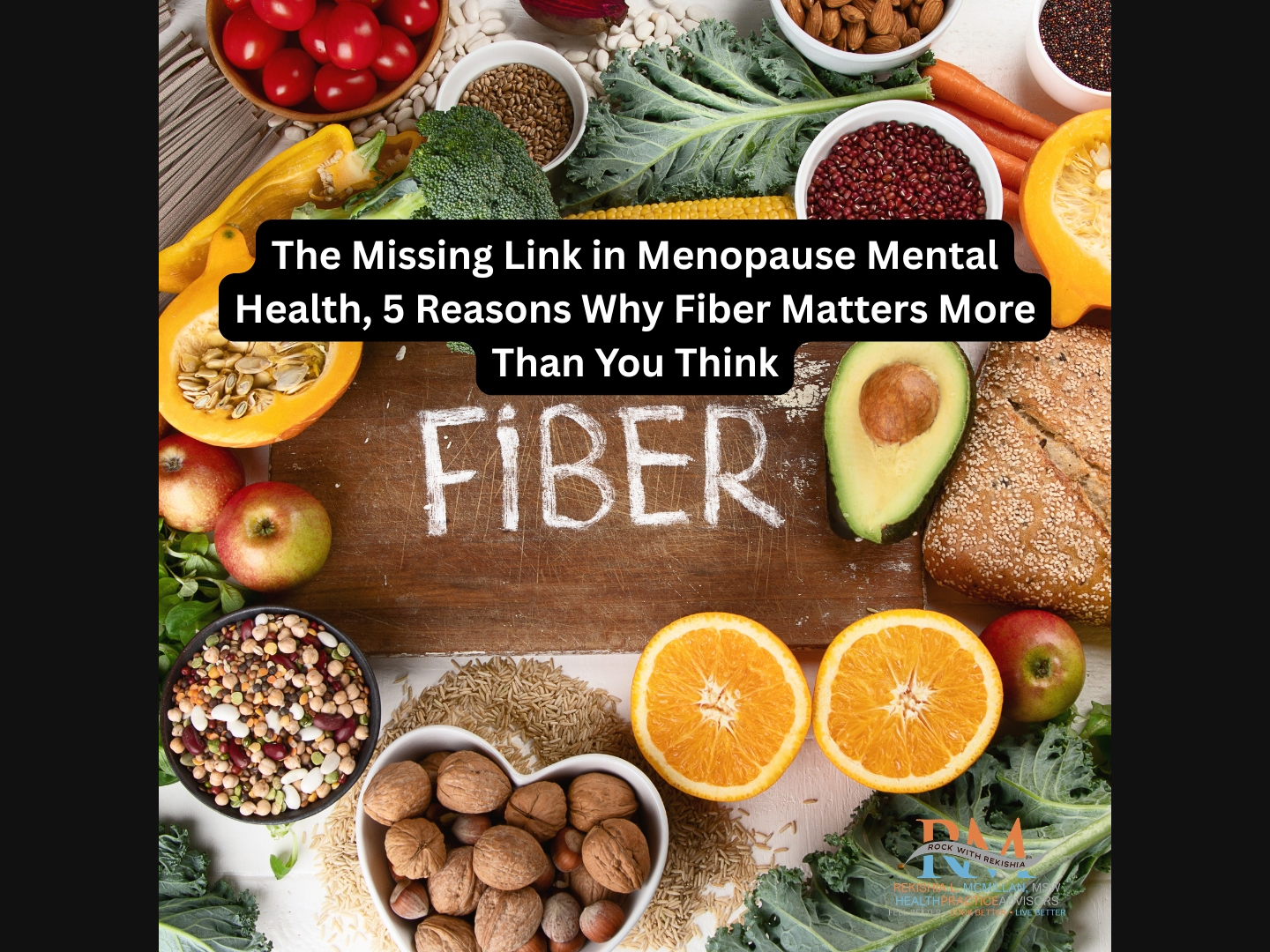
Many women entering perimenopause and menopause begin noticing changes that feel confusing and overwhelming—brain fog, anxiety, mood swings, fatigue, bloating, and difficulty concentrating.
While these symptoms are often attributed solely to hormonal shifts, there is another critical piece of the puzzle that is frequently overlooked: gut health and fiber intake.
Find out what's happening in Trentonfor free with the latest updates from Patch.
In today’s conversation, we explore how fiber, the gut-brain connection, and hormonal changes work together to influence mental health, emotional balance, and cognitive function during menopause.
The Hidden Link Between Menopause and Mental Health
Perimenopause and menopause are not just reproductive transitions—they affect the entire body, especially the brain and nervous system.
Find out what's happening in Trentonfor free with the latest updates from Patch.
As estrogen levels decline, women may experience:
- Memory changes and brain fog
- Anxiety and mood swings
- Emotional sensitivity
- Sleep disturbances
- Fatigue and low motivation
Estrogen plays a vital role in brain function, particularly in areas like the hippocampus, which is responsible for memory and learning. When hormone levels fluctuate, the brain becomes more sensitive to stress, inflammation, and nutritional imbalances.
But hormones are only part of the story.
Why Fiber Is a Missing Piece in Women’s Health
Fiber is often associated with digestion, but its role in the body goes far beyond bowel health.
Fiber supports:
- Hormone balance
- Blood sugar regulation
- Gut microbiome diversity
- Inflammation reduction
- Detoxification pathways
- Mental and emotional well-being
Unfortunately, research shows most women consume far less fiber than recommended. While guidelines suggest 21–25 grams per day, many women average closer to 15 grams or less.
This fiber gap can significantly impact how women feel physically, mentally, and emotionally—especially during hormonal transitions.
Understanding the Gut-Brain Connection
One of the most important systems in the body is the gut-brain axis, the communication network between the digestive system and the brain.
This connection operates through:
- The vagus nerve
- Hormones
- Neurotransmitters
- Immune system signaling
- Gut bacteria (microbiome)
Much of the body’s serotonin—a key neurotransmitter linked to mood and emotional balance—is produced in the gut.
When gut health is compromised, women may experience:
- Increased anxiety
- Low mood or depression
- Brain fog
- Irritability
- Emotional overwhelm
- Fatigue
This is why supporting gut health is essential during menopause.
How Fiber Supports Mental Health and Hormonal Balance
When you consume fiber-rich foods, beneficial gut bacteria break it down and produce short-chain fatty acids. These compounds help:
- Reduce inflammation in the body
- Strengthen the gut lining
- Support immune function
- Regulate the nervous system
- Influence brain health and mood
Without enough fiber, gut bacteria can become imbalanced, which may contribute to inflammation, hormonal disruption, and emotional instability.
Best Fiber-Rich Foods for Hormonal and Brain Health
Support your gut and hormones with:
- Chia seeds
- Flaxseeds
- Berries
- Leafy greens
- Avocados
- Lentils and beans
- Oats
These foods support digestion, blood sugar balance, and brain function—all critical during menopause.
What Can Make Symptoms Worse
Several lifestyle factors can worsen gut and mental health symptoms during menopause:
- Chronic stress
- Poor sleep
- Highly processed or sugary foods
- Dehydration
- Sedentary lifestyle
- Low fiber intake
When these factors combine, symptoms like brain fog, anxiety, and fatigue often intensify.
A Whole-Person Approach to Healing
True wellness requires supporting the whole woman—body, mind, and spirit.
Nutrition, sleep, movement, stress management, and spiritual grounding all play important roles in healing and hormonal balance.
Your symptoms are not signs of failure—they are signals from your body asking for support and nourishment.
Take the Next Step in Your Healing Journey
If this message resonated with you and you’re experiencing symptoms like:
- Brain fog
- Hormone imbalance
- Anxiety or mood swings
- Fatigue or low energy
- Weight changes or bloating
It may be time to understand what your body is truly asking for.
Take my Free Women’s Hormone Health Assessment
Discover what’s really driving your symptoms and get personalized insight into your next best steps for healing, energy, and hormonal balance.
Start here: Take the Assessment
Final Thoughts
Fiber is not just a digestive nutrient—it is a foundational pillar for:
- Hormone balance
- Gut health
- Brain clarity
- Emotional stability
- Mental wellness during menopause
Small, consistent changes can create powerful shifts in how you feel.
Your body is not working against you—it is communicating with you.
Scripture Reflection
“For God has not given us a spirit of fear, but of power and of love and of a sound mind.”
— 2 Timothy 1:7