Neighbor News
Protein Deficiency and Hormone Imbalance: Simple Foods Every Woman Needs for Optimal Health
Discover how protein deficiency disrupts women's hormones and learn simple, protein-rich foods to boost energy and balance naturally.

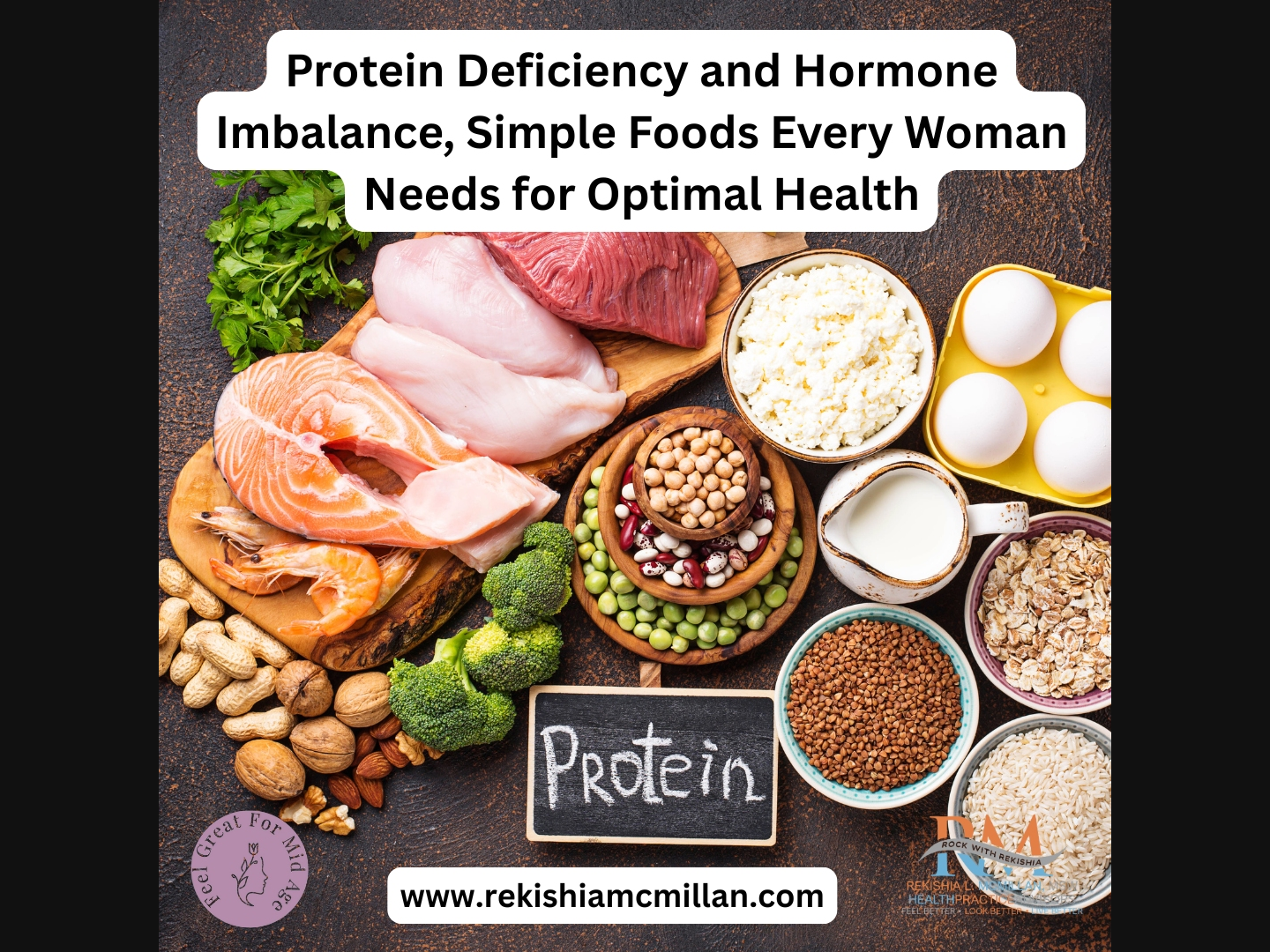
Many women today are doing everything “right”—eating clean, exercising regularly, and trying to get enough sleep—yet they still struggle with low energy, mood swings, sugar cravings, or stubborn belly fat. If that sounds familiar, you’re not alone.
One key piece often missing from the wellness puzzle is adequate protein. Protein isn’t just for athletes or bodybuilders—it’s a core nutrient that supports hormonal health, metabolism, muscle tone, and mental focus. When women don’t eat enough protein, it can quietly throw their entire system off balance.
Why Protein Matters for Hormonal Balance
Your hormones act like the body’s internal communication system. They tell your cells what to do, when to do it, and how much energy to use. Every hormone—whether it’s insulin, estrogen, thyroid hormone, or cortisol—is made up of amino acids, the building blocks of protein.
When you’re low in protein, your body lacks the raw materials it needs to create and regulate these vital hormones. Over time, this can lead to:
Find out what's happening in Trentonfor free with the latest updates from Patch.
- Estrogen dominance (too much estrogen compared to progesterone)
- Thyroid sluggishness, resulting in fatigue and weight gain
- Unstable blood sugar, driving sugar and carb cravings
- Mood fluctuations caused by low serotonin and dopamine
- Loss of lean muscle, making it harder to maintain a healthy metabolism
Women in their 30s through 50s—especially those approaching perimenopause or menopause—are particularly vulnerable to these imbalances. As estrogen and progesterone begin to shift, the body’s demand for nutrient-dense, high-quality protein increases.
Hidden Signs You May Not Be Getting Enough Protein
Many women consume less than half the recommended amount of protein their bodies need for balance. The signs can sneak up slowly, often mistaken for “getting older” or “stress.” Common symptoms include:
Find out what's happening in Trentonfor free with the latest updates from Patch.
- Persistent tiredness or brain fog
- Constant hunger, even after meals
- Thinning hair, brittle nails, or dry skin
- Loss of strength or poor workout recovery
- Frequent mood swings or anxiety
- Midsection weight gain that’s difficult to lose
If you identify with several of these, it may be time to evaluate how much protein you’re really eating each day.
How Much Protein Do You Need?
Protein needs vary depending on your activity level, muscle mass, and health goals. However, most women benefit from 20 to 30 grams of protein per meal—or roughly 0.8 to 1 gram of protein per pound of body weight daily for optimal health.
That might sound like a lot, but when you spread it throughout your day, it becomes manageable. For example:
- Breakfast: 2 eggs + Greek yogurt (25g)
- Lunch: Grilled chicken salad (30g)
- Snack: Protein smoothie with chia and hemp seeds (20g)
- Dinner: Salmon with quinoa and veggies (30g)
The goal isn’t perfection—it’s consistency. Eating adequate protein helps you stay full, maintain lean muscle, and give your body what it needs to create stable, balanced hormones.
Simple Protein-Rich Foods for Women’s Hormonal Health
Here are some of the best foods to include daily or weekly to support hormone balance naturally:
Animal-Based Proteins
- Wild-caught salmon: Rich in omega-3 fats that calm inflammation and support healthy cell membranes for hormone function.
- Eggs: Contain choline and amino acids needed for brain and hormone health.
- Chicken or turkey breast: Excellent lean sources of protein that help regulate appetite and blood sugar.
- Grass-fed beef: Provides iron and zinc, crucial for thyroid and reproductive hormones.
- Greek yogurt or cottage cheese: Support gut health and deliver probiotics along with protein.
Plant-Based Proteins
- Lentils and chickpeas: Great fiber and protein combination for steady blood sugar.
- Quinoa: A complete plant protein with all nine essential amino acids.
- Chia, flax, and hemp seeds: Balance estrogen naturally and improve gut health.
- Tofu and edamame: Contain phytoestrogens that may help balance hormones during menopause.
- Spirulina: A protein-dense algae that helps reduce inflammation.
Protein and Mental Health Connection
Did you know protein also supports your mental and emotional balance? Amino acids help your brain make serotonin, dopamine, and GABA—neurotransmitters responsible for mood stability and focus.
When you’re protein deficient, your brain literally struggles to make “feel-good” chemicals, which can lead to:
- Anxiety and irritability
- Difficulty concentrating
- Increased emotional eating
So, the next time you’re feeling low or stressed, instead of reaching for sugar or caffeine, try a protein-rich snack—like a boiled egg, a handful of almonds, or a protein smoothie.
Protein in Midlife: Why It’s Even More Important
As women move into perimenopause and menopause, estrogen naturally declines. This hormone plays a key role in maintaining lean muscle and bone strength. Without enough estrogen—and without enough protein—women lose muscle more quickly, leading to fatigue and slower metabolism.
Prioritizing protein during this life stage can:
- Preserve lean muscle mass
- Improve bone density
- Stabilize mood and reduce hot flashes
- Support thyroid function and energy
Protein also keeps blood sugar steady, which helps prevent insulin spikes that contribute to belly fat and hormonal chaos.
Small Shifts, Big Results
Balancing your hormones doesn’t require a complicated plan. It starts with simple, daily habits like:
- Adding protein to every meal
- Combining protein with healthy fats and fiber for better absorption
- Drinking enough water for digestion
- Managing stress through prayer, rest, or gentle movement
When your body gets the nourishment it needs, your hormones begin to self-regulate naturally. You’ll notice more energy, better focus, improved mood, and fewer cravings.
Final Thoughts
Protein isn’t just a nutrient—it’s a lifeline for your hormones, metabolism, and overall vitality. Whether you’re 30 or 60, your body depends on it to stay strong, balanced, and energized.
Start today by looking at your meals and asking: “Where can I add a little more protein?” A small, consistent effort can transform how you feel from the inside out.
About Rekishia McMillan
Rekishia McMillan is an Integrative Medicine Provider, Certified Metabolic Health Coach, Award-Winning Author and U.S. Air Force Veteran dedicated to helping women reclaim their energy, balance hormones, and live vibrant, purpose-driven lives.
Listen to her podcast, Integrative Medicine for Energy and Health, for more practical tips on women’s wellness, nutrition, and natural hormone balance.
Listen here.