Neighbor News
Resetting Your Body Clock: How Women Can Restore Hormonal Balance Through Circadian Rhythm
Tired, not sleeping, and hormones off? Your body clock may be the reason. Learn how to reset your rhythm naturally.

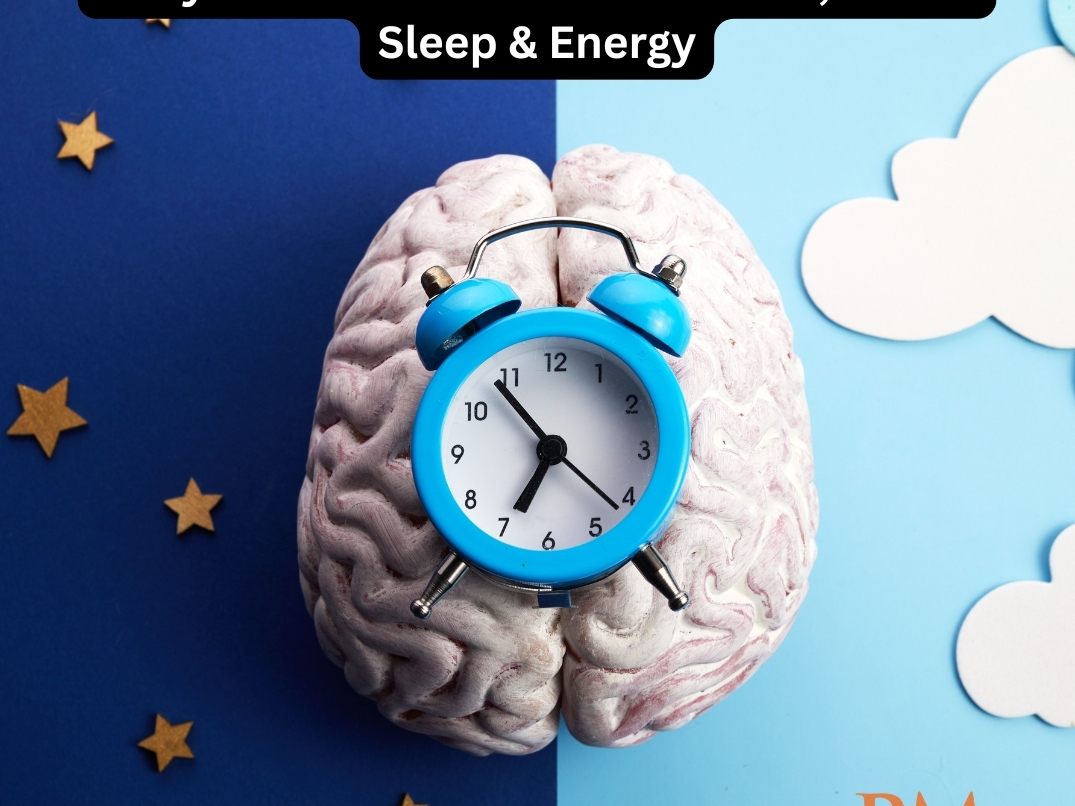
Have you ever found yourself lying in bed at night, exhausted—but unable to fall asleep?
Or dragging through your day, relying on caffeine just to function, wondering why your energy feels so inconsistent?
Find out what's happening in Trentonfor free with the latest updates from Patch.
For many women, these patterns have become common. But they are not random.
They are often signs that your body’s internal clock—your circadian rhythm—is out of sync.
Find out what's happening in Trentonfor free with the latest updates from Patch.
Your Body Runs on a Natural Rhythm
Your circadian rhythm is your body’s internal 24-hour clock.
It regulates essential functions like:
- sleep and wake cycles
- hormone production
- body temperature
- metabolism
- and immune function
At the center of this system is the Pineal Gland, a small gland in the brain that produces melatonin—your primary sleep hormone.
This gland responds to light signals.
When it’s dark, your body prepares for rest.
When it’s light, your body prepares for activity.
When Your Rhythm Is Off, Everything Feels Off
Modern life often disrupts this natural rhythm.
Late nights, early mornings, artificial lighting, and constant screen exposure can all interfere with your body’s timing.
Over time, this disruption can lead to:
- difficulty falling or staying asleep
- waking up feeling unrested
- daytime fatigue
- brain fog
- mood changes
- hormonal imbalance
This isn’t just about being tired—it’s about your body being out of sync.
Understanding Your Daily Rhythm
Your circadian rhythm follows a predictable pattern throughout the day.
In the morning, cortisol rises to help you wake up and feel alert.
By mid-morning, your focus and productivity peak.
In the early afternoon, there’s a natural dip in energy.
By evening, melatonin begins to rise, preparing your body for sleep.
At night, your body enters deeper stages of rest where repair and hormone regulation occur.
This cycle repeats every day:
rise → peak → dip → restore
When this rhythm is supported, your body functions more efficiently.
The Role of Light in Hormonal Balance
Light is one of the most powerful signals your body receives.
Natural sunlight contains a full spectrum of wavelengths, including visible light, infrared, and ultraviolet light.
These wavelengths help regulate:
- hormone production
- energy levels
- sleep cycles
- and cellular function
However, most artificial lighting lacks this full spectrum.
Instead, it often exposes you to imbalanced light—especially blue light—which can suppress melatonin and disrupt your internal clock.
This is a key reason many women struggle with sleep and hormonal balance.
It’s Not Just One Clock
Your body doesn’t rely on just one clock.
While your brain contains a master clock, there are also smaller clocks throughout your body—in the liver, gut, and endocrine system.
These systems need to stay in sync.
When they are aligned, your body operates smoothly.
When they are not, it can lead to widespread imbalance affecting multiple systems at once.
How Circadian Rhythm Impacts Hormones
Your circadian rhythm plays a direct role in regulating hormones such as:
- melatonin (sleep)
- cortisol (energy and stress)
- estrogen and progesterone
When your rhythm is disrupted, hormone patterns can shift.
This may lead to:
- feeling tired but unable to sleep
- low energy during the day
- increased stress
- mood fluctuations
Restoring Balance Naturally
The good news is that your body can begin to reset when given the right signals.
Here are simple ways to support your circadian rhythm:
1. Get Morning Light
Expose yourself to natural sunlight within the first hour of waking to help regulate your internal clock.
2. Limit Light at Night
Reduce screen time and artificial lighting in the evening to support melatonin production.
3. Keep a Consistent Schedule
Going to bed and waking up at the same time each day helps stabilize your rhythm.
4. Create a Sleep-Friendly Environment
A dark, quiet room supports deeper, more restorative sleep.
5. Spend Time Outdoors
Regular exposure to natural light throughout the day reinforces your body’s timing signals.
Final Thoughts
If you’ve been struggling with sleep, fatigue, or hormonal imbalance, your circadian rhythm may be an important piece of the puzzle.
Your body is designed to function on a rhythm.
When you support that rhythm, you support your energy, your hormones, and your overall health.
Small, consistent changes can help bring your body back into alignment—and over time, those changes can make a meaningful difference in how you feel each day.
Join my upcoming Women’s Hormone Workshop
🗓 Saturday, April 18, 2026
In this workshop, we’ll go deeper into:
• the science of hormonal balance
• practical ways to restore your body
• lifestyle strategies to optimize sleep and energy
If you’re ready to take intentional steps toward alignment and balance, I would love for you to join. Register => here.