Neighbor News
Tooth Sensitivity in Menopause, The Hidden Link Between Mineral Deficiency and Hormonal Imbalance
Discover the top mineral deficiencies in menopausal women and learn how nutrient-rich foods and teas can restore vitality.

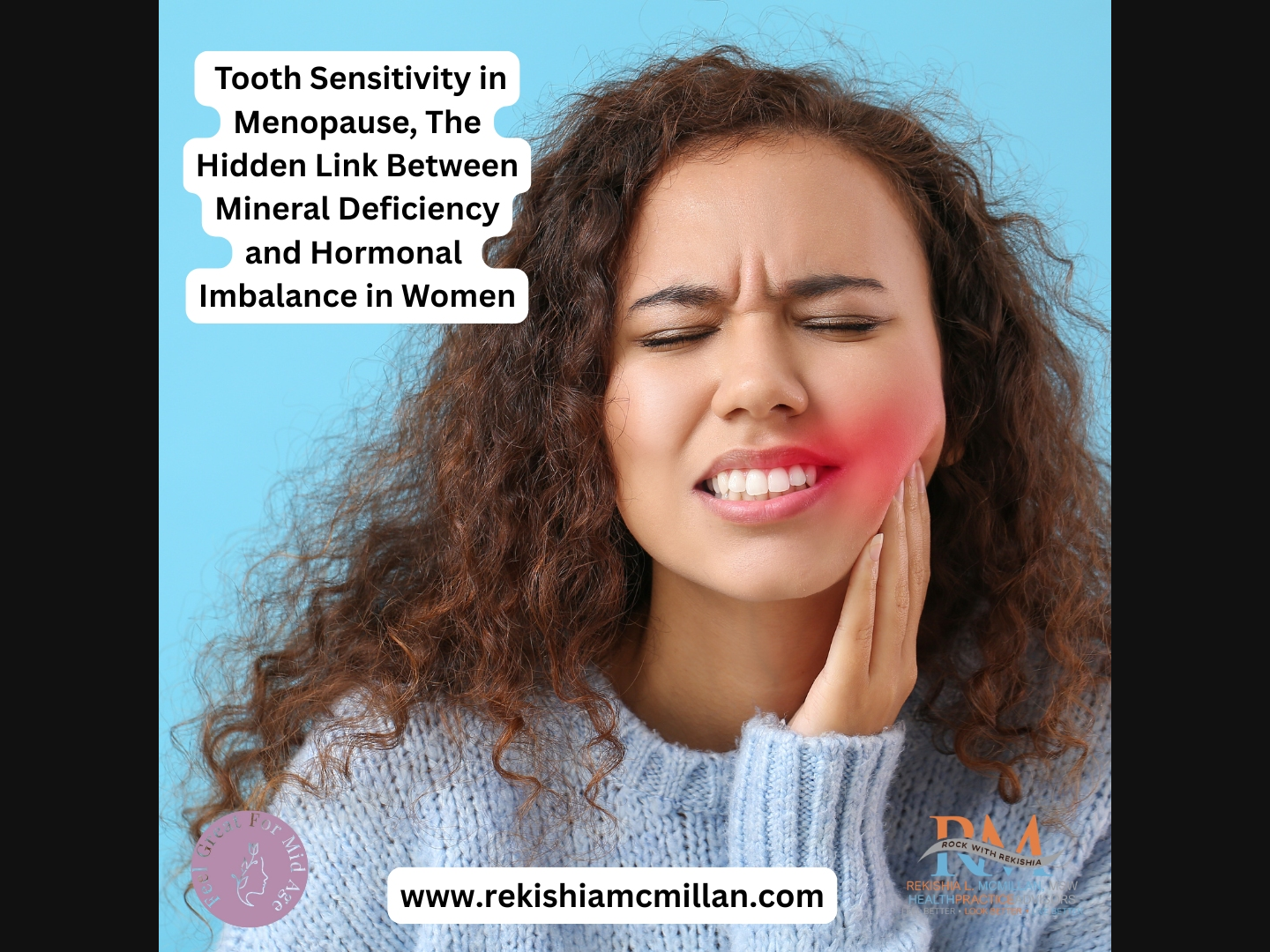
Have you ever taken a sip of cold water and suddenly felt that sharp sting in your teeth? For many women in perimenopause and menopause, this experience becomes surprisingly common. What most don’t realize is that it’s not always about cavities or enamel wear, it can be a sign of mineral deficiency caused by hormonal changes.
Find out what's happening in Trentonfor free with the latest updates from Patch.
As an integrative medicine provider, I’ve seen how the body speaks in subtle ways — and tooth sensitivity is one of them. During menopause, declining estrogen levels don’t just affect mood or sleep; they also change how the body absorbs and uses essential minerals like calcium, magnesium, and zinc. These minerals are the foundation of strong teeth, bones, and even hormone balance.
My Personal Wake-Up Call
When I went through menopause, I experienced a level of tooth sensitivity I had never felt before. I couldn’t enjoy my favorite teas or even brush my teeth without discomfort. I knew it wasn’t sugar or poor dental hygiene — I eat clean, avoid processed snacks, and stay consistent with oral care.
Find out what's happening in Trentonfor free with the latest updates from Patch.
Through blood tests, I learned I was low in magnesium, a mineral that supports everything from nerve function to enamel strength. My doctor suggested supplements, but I’ve always believed in using food as the first line of medicine. So, I turned to nature’s pharmacy: mineral-rich foods and herbal teas.
I started drinking stinging nettle tea every day, along with other mineral-packed foods like dark leafy greens, pumpkin seeds, and sea vegetables. Within weeks, the sensitivity began to fade. Over time, my teeth felt stronger, my energy improved, and even my sleep became more restful. It was a powerful reminder that God designed our bodies to heal — we just need to give them what they need.
The Hidden Mineral Deficiencies in Menopause
Research shows that mineral deficiencies are extremely common during menopause:
- 36% of women are low in magnesium
- 42% don’t get enough calcium
- Up to 80% are deficient in vitamin D, which is vital for calcium absorption
These nutrients work together. Without magnesium, calcium can’t properly integrate into bones and teeth. Without vitamin D, both calcium and magnesium absorption are compromised. The result? Weak teeth, bone loss, fatigue, and hormonal imbalance.
The Power of Mineral-Rich Teas
One of the simplest and most enjoyable ways to restore minerals is by drinking herbal teas. Teas like stinging nettle and dandelion are rich in calcium, magnesium, potassium, and trace minerals that the body can easily absorb.
You can safely enjoy up to six cups of mineral-rich teas daily, spread throughout the day.
- Stinging nettle tea: 1 cup provides 80–120 mg of calcium and 40–60 mg of magnesium.
- Dandelion tea: Supports digestion and mineral absorption while helping to balance hormones naturally.
When brewed as an overnight infusion — letting the herbs steep 8–12 hours — the mineral content increases dramatically, making every sip a nutrient boost for your teeth and bones.
Five Mineral-Rich Foods for Oral and Hormonal Health
- Stinging Nettle Tea – Drink 1–6 cups daily for calcium, magnesium, and iron.
- Pumpkin Seeds – Enjoy ¼–½ cup daily for magnesium and zinc.
- Dark Leafy Greens (Kale, Spinach, Collards) – Eat 2–3 cups raw or 1–2 cups cooked daily for calcium and magnesium.
- Sea Vegetables (Kelp, Nori, Dulse) – Add 1–2 teaspoons daily for iodine and trace minerals.
- Dandelion Greens or Tea – 1 cup greens or 1–2 cups tea daily for calcium and liver support.
Together, these foods and teas help re-mineralize teeth, strengthen bones, and balance hormones naturally.
Faith and Healing from Within
This journey reminded me of one of my favorite scriptures — “I praise you because I am fearfully and wonderfully made” (Psalm 139:14).
Our bodies are designed to heal when we nourish them with what God has already provided in nature. Every mineral, every herb, every plant has a purpose — and when we align with that wisdom, we begin to thrive again.
By turning to natural, mineral-rich nutrition instead of quick fixes, I learned that tooth sensitivity was not just a dental problem — it was my body’s way of saying, “I need restoration.”
Final Thoughts
If you’re experiencing tooth sensitivity or noticing changes in your teeth and gums during menopause, consider that your body might be asking for minerals. You don’t have to suffer or depend only on prescriptions — you can nourish your body and restore balance naturally.
Start with what’s simple:
- Add more mineral-rich foods and teas.
- Get sunlight for vitamin D.
- Stay hydrated with trace minerals in your water.
- And most importantly, listen to your body — it’s always communicating.
Call to Action
If you were blessed by this message, be sure to share, like, and subscribe to Integrative Medicine for Energy and Health.
To learn more about how to improve your energy, balance your hormones, and strengthen your health naturally, visit feelgreatgodsway.com to schedule your personalized consultation.
#MenopauseHealth #ToothSensitivity #MineralDeficiency #HormoneBalance #NaturalHealing #StingingNettleTea #MagnesiumRichFoods #CalciumForTeeth #IntegrativeMedicine #FaithBasedHealth #RekishiaMcMillan #HolisticHealthForWomen #MenopauseSupport #FeelGreatGodsWay #OralHealth #MenopauseNutrition