Neighbor News
Why Women Experience Brain Fog During Perimenopause & Menopause: Natural Ways to Regain Clarity
Hormonal shifts during menopause can affect memory, mood, and focus. Learn natural ways women can support brain health

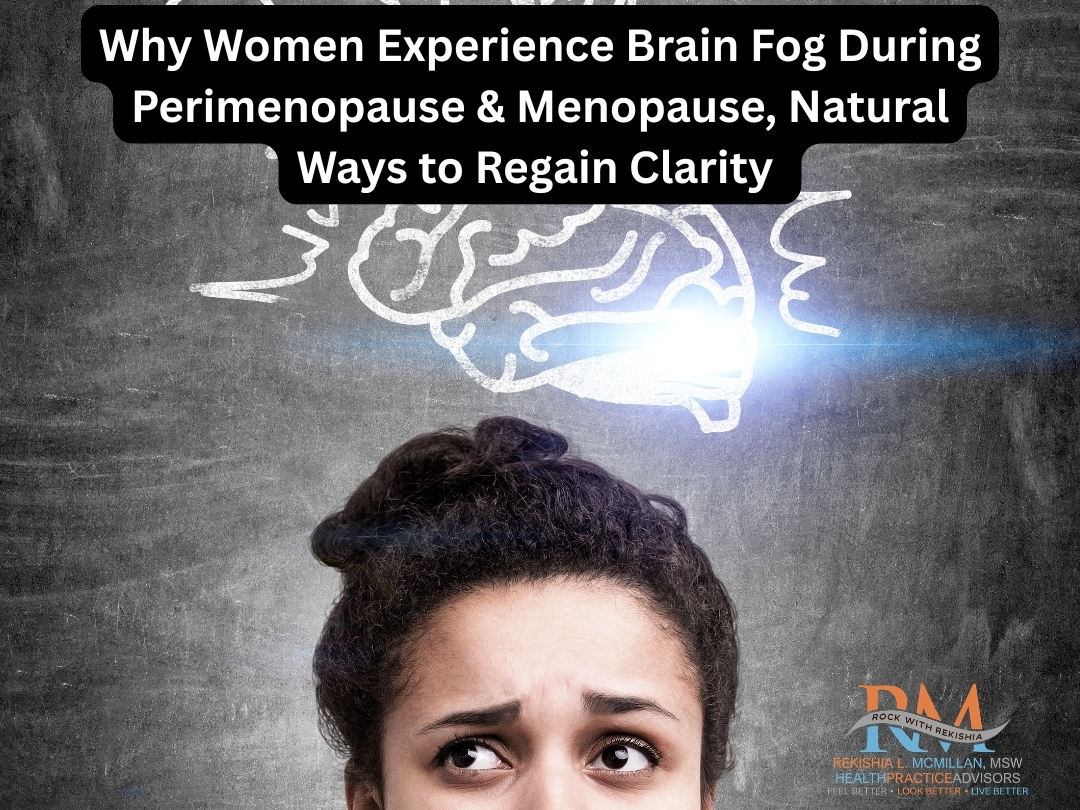
Many women entering perimenopause and menopause begin experiencing symptoms they don’t immediately connect to hormones.
They may find themselves forgetting words mid-sentence, walking into rooms and forgetting why they entered, struggling to focus on simple tasks, feeling emotionally overwhelmed, or waking up mentally exhausted despite trying to push through their day.
Find out what's happening in Trentonfor free with the latest updates from Patch.
For some women, these changes can feel frightening.
They begin questioning themselves. They wonder if they are simply stressed, overworked, aging, or “losing it.”
Find out what's happening in Trentonfor free with the latest updates from Patch.
But what many women don’t realize is that hormonal shifts during perimenopause and menopause can profoundly affect the brain.
And for years, I experienced this personally.
During my time serving in the military, I navigated periods of anxiety, emotional exhaustion, disrupted sleep, difficulty concentrating, and major depressive disorder while unknowingly moving through perimenopause.
At the time, I did not fully understand how deeply hormones, chronic stress, sleep disruption, and nervous system overload were impacting my mental and emotional health.
I simply knew something felt off.
Like many women, I pushed through.
But what I now understand—and what I want more women to understand—is that the female brain is deeply connected to hormonal health.
Estrogen Impacts More Than Reproductive Health
Many people associate estrogen only with the menstrual cycle or reproductive function, but estrogen affects the entire body—including the brain.
Estrogen helps regulate:
• memory and learning • mood and emotional wellbeing • concentration and focus • sleep quality • metabolism and energy • nervous system function • and even inflammation balance
Throughout the body are specialized proteins called estrogen receptors. These receptors act like messengers that allow estrogen to communicate with cells and help the body function properly.
Estrogen receptors are found in the:
• brain • bones and joints • heart and blood vessels • skin • muscles • reproductive organs • and nervous system
This is why declining estrogen during perimenopause and menopause can affect so many areas of a woman’s health at once.
The Hippocampus & Menopause Brain Fog
Researchers have identified the hippocampus—the brain’s memory center—as especially sensitive to estrogen decline.
The hippocampus is a small structure located deep inside the brain that helps with:
• memory • learning • concentration • emotional processing • and mental organization
In simple terms, it helps you remember where you placed your keys, follow conversations, learn new information, and stay mentally focused throughout the day.
As estrogen levels fluctuate and decline, many women begin noticing:
• brain fog • forgetfulness • slower recall • difficulty concentrating • emotional sensitivity • mental fatigue • and increased overwhelm
These symptoms are not imaginary.
There is real physiology connected to what women are experiencing.
The encouraging news is that the brain can still be supported through intentional lifestyle habits, nutrition, stress management, sleep, and nervous system support.
Supporting Brain Health Naturally During Menopause
One of the biggest shifts in my own healing journey was learning that supporting the brain requires supporting the whole body.
Nutrition became one of the foundational places I began.
Certain foods help nourish the brain, reduce inflammation, and support communication between brain cells.
Brain-Supportive Foods for Women
BlueberriesBlueberries are rich in antioxidants called flavonoids, which help protect brain cells from oxidative stress and support memory.
Aim for: • ½ to 1 cup fresh blueberries daily or • ½ cup frozen blueberries daily
Fatty FishSalmon, sardines, and mackerel contain omega-3 fatty acids that support brain structure, mood regulation, and healthy brain cell communication.
Aim for: • 2–3 servings weekly
Leafy GreensSpinach, kale, and collard greens provide folate, vitamin K, and antioxidants linked to improved cognitive health.
Aim for: • 1–2 cups daily
EggsEgg yolks are rich in choline, a nutrient essential for memory and learning.
Aim for: • approximately 5–7 eggs weekly, unless otherwise advised by your healthcare provider
Walnuts and pumpkin seeds provide healthy fats, magnesium, zinc, and omega-3 support for both cognitive function and emotional wellbeing.
Aim for: • about ¼ cup daily
Brain Support Goes Beyond Food
While nutrition matters, healing is not about food alone.
The hippocampus and nervous system can also be supported through:
• regular movement and exercise • quality sleep • stress reduction • prayer and worship • quiet time with God • journaling • sunlight exposure • social connection • and healthy daily rhythms
Chronic stress can negatively impact the brain over time, which is why nervous system restoration is so important for women navigating hormonal transitions.
For me, healing required learning how to support my body consistently and intentionally—not just physically, but emotionally and spiritually as well.
Women Need Support—Not Shame
One of the most important things I want women to understand is this:
Perimenopause and menopause are real biological transitions.
The symptoms women experience are not “all in their head.”
Hormonal shifts can affect:
• memory • emotions • sleep • energy • focus • stress tolerance • and mental health
This is why women need holistic support—not simply instructions to “push through.”
Symptoms are not random.
They are often signals from the body asking for a different kind of care and support.
And when women begin understanding what their bodies are communicating, healing becomes much more possible.
A Final Encouragement
If you have been struggling with brain fog, emotional exhaustion, anxiety, forgetfulness, or feeling unlike yourself lately, I want to encourage you:
You are not weak. You are not failing. And you are not alone.
Your body may simply be navigating a significant hormonal transition that deserves support, education, and care.
With intentional lifestyle changes, faith-centered wellness practices, nutritional support, rest, and nervous system restoration, women can better support brain health and regain clarity during perimenopause and menopause.
Because the goal is not simply surviving this season.
It’s learning how to thrive through it.
“For God has not given us a spirit of fear, but of power and of love and of a sound mind.” — 2 Timothy 1:7
Ready to Better Understand Your Hormones, Brain Health & Energy?
If you’ve been struggling with brain fog, fatigue, emotional overwhelm, or hormonal changes and wondering where to begin, I invite you to take my Free Hormone Reset Survey.
This simple survey is designed to help identify potential areas of hormone imbalance and provide insight into what your body may be communicating during perimenopause and menopause.
After completing the survey, you’ll have the opportunity to schedule a complimentary consultation where we can discuss your results and explore natural, holistic strategies to support your health journey.
🌿 Take the Free Hormone Health Survey and begin your journey toward clarity, balance, and restoration today.