Politics & Government
Judge: Painful Cuts to Schools Hurt Poorest Students the Most
Supreme Court fact finder says Christie's budget cuts were unconstitutional.

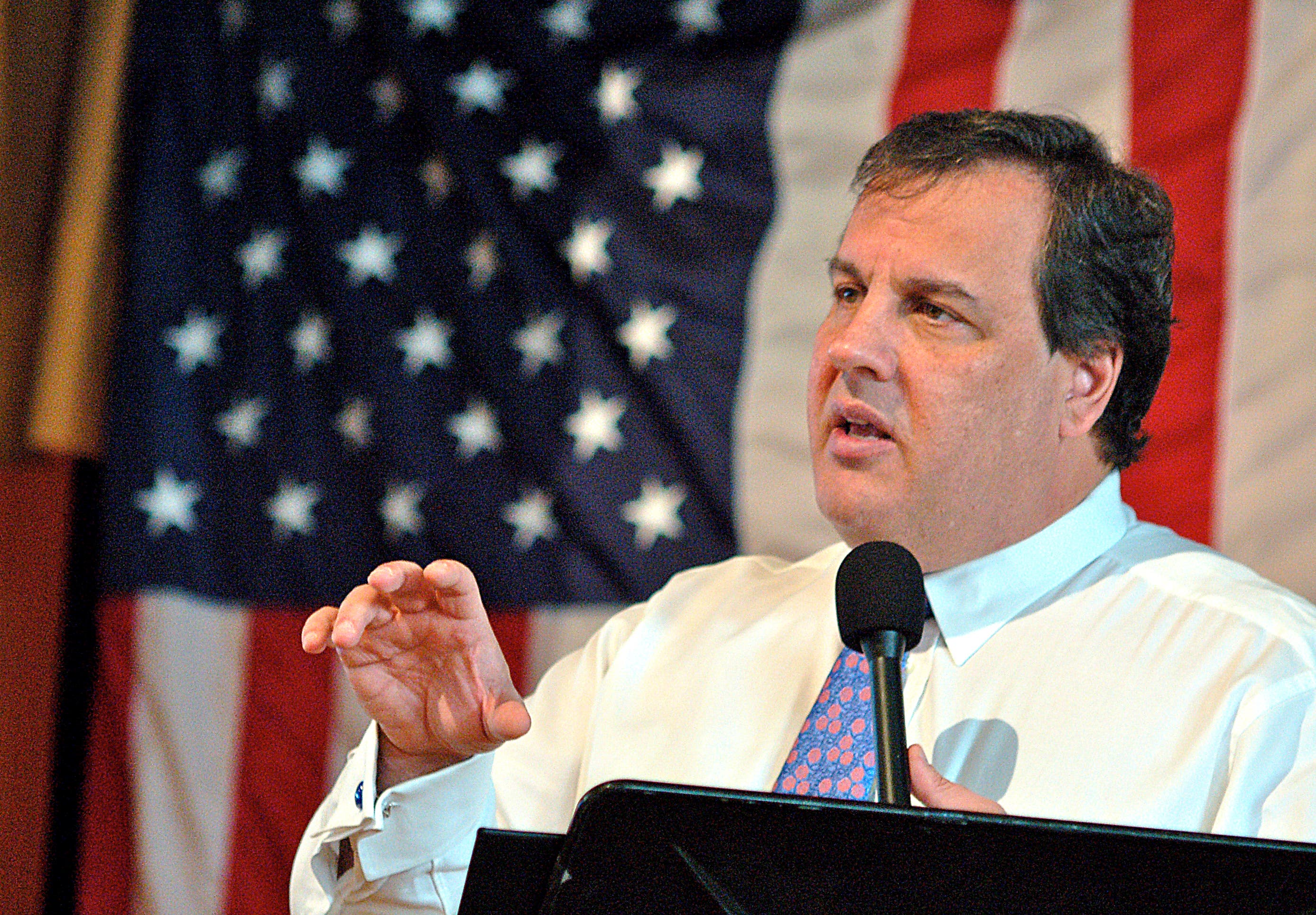
Local school districts -- still reeling from the deep budget cuts last spring by Governor Chris Christie – discovered on Tuesday that those cuts were not only painful, they may be unconstitutional.
Christie's huge cuts to state school aid last year left New Jersey’s schools unable to provide a "thorough and efficient" education, a Superior Court judge said in a report that examined the impact of funding cuts.
Judge Peter Doyne, who was appointed by the state Supreme Court to examine school spending, found that poor school districts were hurt the most.
Find out what's happening in Verona-Cedar Grovefor free with the latest updates from Patch.
“Despite the state’s best efforts, the reductions fell more heavily upon our high-risk districts and the children educated within those districts,” Doyne wrote in the 96-page report. “The greatest impact of the reductions fell upon our at-risk students.”
School leaders in Essex County have been hard hit by the loss of state aid. Livingston made its cuts last year and recently crafted a tentative budget that spares additional changes to programs and services. Other districts have fared worse, with a second round of layoffs and reductions to a range of educational programs anticipated this year.
Find out what's happening in Verona-Cedar Grovefor free with the latest updates from Patch.
“School funding is a matter of enormous complexity and importance,” Doyne said. How money is spent is more important than how much money is spent, he said.
“… funding, in and of itself, can never be sufficient to ensure our students will perform as it is thought they must," the judge wrote. "Rather, enabling our youth to surmount successfully the challenges they will face requires the cooperation and dedication of administrators, teachers, support staff, and possibly most importantly, the family.”
The state Supreme Court is revisiting Abbott vs. Burke, the landmark school financing case. The ruling forced the state to spend more on poor urban districts to balance them with wealthier suburban ones. As part of its work, the state’s highest court directed Doyne to hold fact-finding hearings to determine if current funding is enough to “provide a thorough and efficient education.”
In his report, Doyne said, “… The answer to this limited inquiry can only be ‘no.’ The more daunting questions have been reserved by and for our Supreme Court.”
Doyne examined the impact of $1.6 billion lost last year in state aid. Underfunding was hardest on districts “least able to withstand the reductions,” the judge said. “Thirty-six percent of our districts were funded at a level below adequacy for FY 11; seventy-two percent of our at-risk students reside in those districts.”
The ruling followed two weeks of testimony. The state argued that districts could still provide a constitutionally mandated “thorough and efficient” education with current funding.
Doyne disagreed. “For the limited question posed to this Master, it is clear the State has failed to carry its burden,” Doyne concluded.
Supreme Court: Abbott vs. Burke Case Documents may be found here.
Get more local news delivered straight to your inbox. Sign up for free Patch newsletters and alerts.