Business & Tech
New Jersey Natural Gas Gets Approval To Build Refueling Stations
Utility company to build up to seven CNG stations in Monmouth, Ocean and Middlesex counties

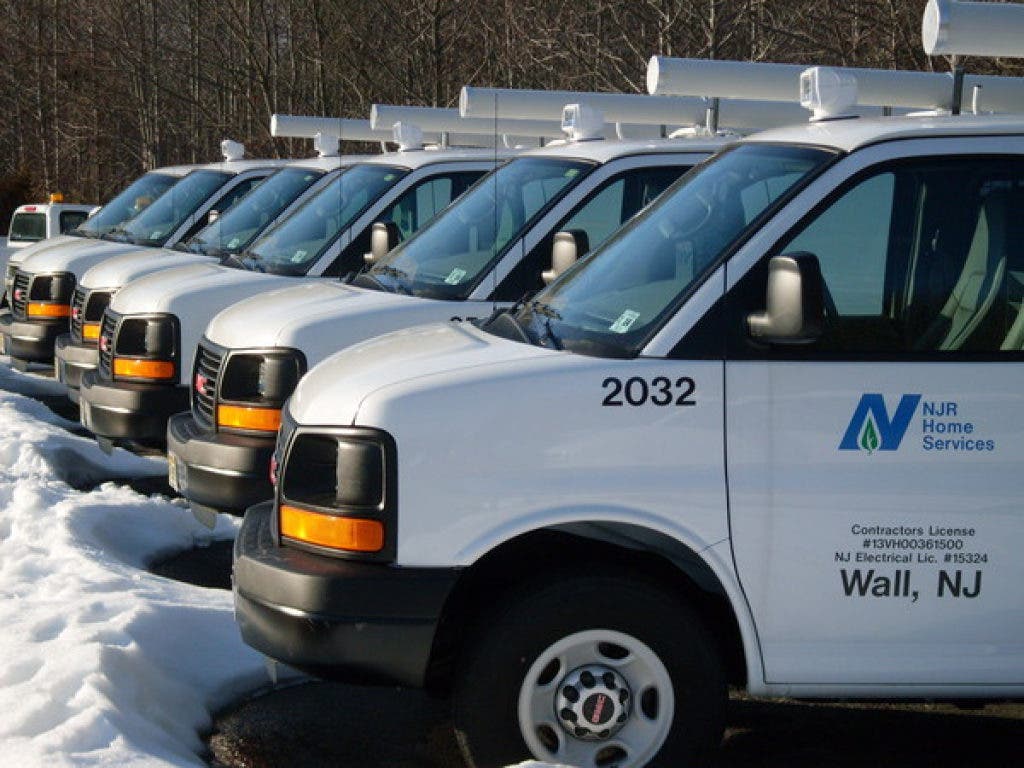
Wall-based New Jersey Natural Gas on Thursday received approval from the state to begin building natural gas refueling stations across the state in a $10 million pilot program to stimulate the use of natural gas-powered vehicles.
The company wants to build from five to seven refueling stations in its service area over the next year, according to a company release.
Compressed natural gas can reduce fuel costs between 30 and 50 percent over petroleum and can produce up to 30 percent fewer greenhouse gas emissions than diesel, the release says.
Find out what's happening in Wallfor free with the latest updates from Patch.
One of the major obstacles to the increased use of natural gas-powered vehicles has been a lack of refueling infrastructure. Currently, there are only three refueling stations in New Jersey open to the public, according to the release.
“With the availability and price benefit of today’s natural gas, we have an opportunity to help grow our economy and protect our environment by encouraging the market for alternative fuel vehicles, and that’s good for New Jersey and our future,” Laurence M. Downes, chairman and CEO of New Jersey Natural Gas, said in the release.
Find out what's happening in Wallfor free with the latest updates from Patch.
NJNG will begin seeking out private companies or governmental entities in Monmouth, Ocean and Morris counties that currently use or plan to use NGVs in their fleet operations to host the refueling stations, the release says.
NJNG will install, own and maintain the infrastructure, and the host company will be required to make the station open to the public and use initially at least 20 percent of the refueling capacity, according to the release.
Customers will not see any change to their bill in 2012 resulting from Thursday’s approval. NJNG will submit a cost recovery filing to the BPU in the first quarter of 2013, requesting a base rate change. A portion of the proceeds from the use of the CNG equipment, along with any available federal and state incentives, will be credited back to the ratepayers to help offset the cost of this investment, the release says.
The total anticipated impact for the average residential customer using 1000 therms annually will be no more than three-tenths of one percent, or approximately $3.50, the release says.
Get more local news delivered straight to your inbox. Sign up for free Patch newsletters and alerts.