Health & Fitness
Can We Co-exist?
This is a blog about our roles in recognition and creation of antibiotic resistance in micro-organisms.
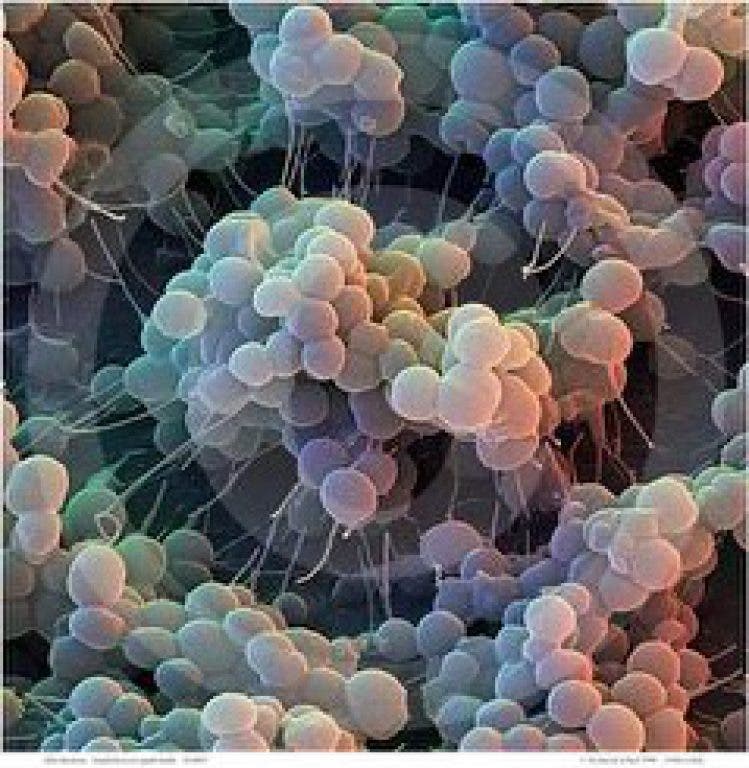
Over the past decade or so, micro-organisms have become household names. Influenza, MRSA, E. coli, Salmonella and a myriad of others are spoken of with some type of recognition. And with that recognition has come the need to eliminate ‘all’ germs in our environment. No matter how much we disinfect our homes, our hands, our bodies we will never eradicate these pesky little bugs that we cannot even see. And we should not try. These bacteria, viruses and fungi co-exist with us and are beneficial to us. Without them, our bodies would be more susceptible to the ‘bad’ bugs. Yes there is a time and a place in our lives to use sanitary precautions like washing our hands after using the restroom or after handling meat products but trying to wipe out the entire genome of bacteria will only hurt us.
Staphylococcus aureus was discovered in the in the late 1800’s and caused skin infections such as impetigo and boils. With the advent of the discovery of penicillin, the antibiotic was routinely used to fight the infections and was successful in stopping the spread of infection. On the heels of the overuse and misuse of penicillin, Staph quickly became resistant to the drug. Methicillin, a form of penicillin, was introduced to counter the increasing problem of penicillin-resistant Staph aureus. In 1961, researchers found that Staph had become resistant to methicillin which is now known today as methicillin resistant Staph aureus, commonly known to us as MRSA. MRSA was first seen in the United States in 1968. When MRSA first became a problem, it was mainly seen in the hospital and nursing home setting where infectious diseases are inevitably spread from patient to patient. Now, not only is it seen in institutions but it has increasingly become common as a community acquired infection. It is especially prevalent among kids participating in contact sports where skin to skin contact is customary such as wrestling and karate.
Most community acquired infections are easily treated with antibiotics other than penicillin-based drugs but a small percentage can go on to more serious complications such as bacterial pneumonia and sepsis. In extreme cases, Staph aureus can cause necrotizing fasciitis or flesh-eating disease. This is a rare but extremely serious illness that can lead to amputation of limbs as well as death.
Find out what's happening in West Deptfordfor free with the latest updates from Patch.
Hand washing is definitely beneficial in protecting ourselves and our families from any pathogenic germs that we have come into contact with. Using a mild, liquid soap without antibiotics is just as effective in eliminating bugs from our skin as are those containing the antibiotic triclosan. The problem with the antibiotics in the hand-washing soaps is that it gets into the ground water which can then lead to more antibiotic resistance in the environment. If one washes their hands and sings the entire happy birthday song in its entirety, it is sufficient enough to remove the germs.
I was just reading a series of articles about the sexually transmitted disease, gonorrhea and how it is quickly becoming resistant to the customary antibiotic regime worldwide. Some are deeming it the next ‘superbug’. It too, is the result of overuse and abuse of the available antibiotics prescribed. There needs to be a huge emphasis and education on protected sex with the use of condoms. If left untreated, it can lead to serious infections in the joints as well as infertility in women. There will always be infectious diseases in our lives and the main job we have now is that of maintenance and taking precautions to prevent any of these infections from taking hold in our lives. Like I said earlier, we need to promote the ‘good’ micro-organisms in our bodies and nurture them. We definitely will always co-exist so let us make the best of it.