Health & Fitness
Tick-borne illnesses in New Jersey
Information regarding tick-borne infections including Lyme disease.
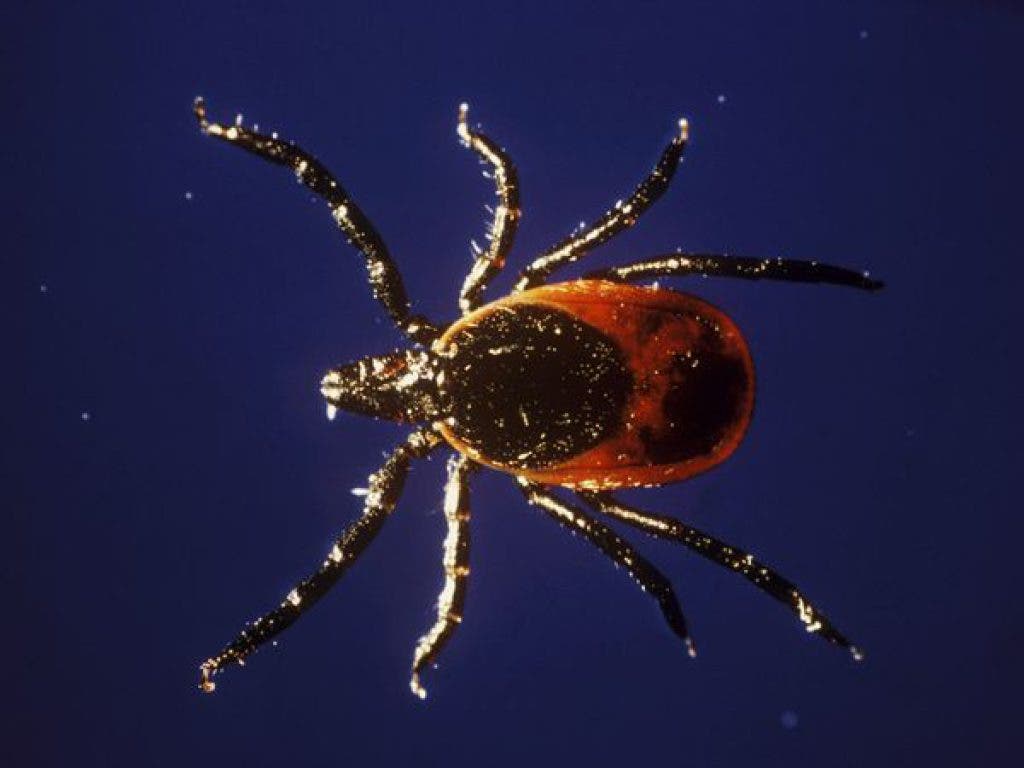
Summer is in the air and the warm weather upon us. It is prime time to go to the shore or to take to the cool forests for hiking on trails such as Woods of Wenonah or Parvin State Park. Not only is it the best time of year for us to be out in the wilderness, but it is also the time for all things living to become active. The wildlife is spectacular at this time of year. Also, it is the time of year to become infected with a tick-borne illness.
There are ten different tick-borne illnesses with five occurring in New Jersey and the surrounding states. Lyme disease is one of the fastest-growing infectious diseases in the United States and the most common tick-borne illness with New Jersey being one of the top ten states with the most cases.
Lyme disease was not formally recognized as an illness until a cluster of cases originally thought to be juvenile rheumatoid arthritis was identified in three towns in southeastern Connecticut in 1975, including the towns Lyme and Old Lyme, which give the disease its popular name. The causative agent, Borrelia burgdorferi, of Lyme disease was not discovered until 1981 by Willy Burgdorfer. It is transmitted to humans by both the nymph stage and adult deer tick. The nymph stage of the deer tick is only about the size of a poppy seed which is easily missed. One of the most obvious characteristics of the illness is the bull’s eye rash that appears early in the infection, erythema migrans. If treatment is begun early in the illness, antibiotics are extremely affective. Other early symptoms include fever, headache, fatigue, and depression. If left untreated or if treatment is delayed more serious infections may develop such as in the joints, heart, and central nervous system. This can lead to more disabling conditions.
Find out what's happening in West Deptfordfor free with the latest updates from Patch.
The other tick-borne diseases seen in New Jersey include babesiosis, ehrlichiosis, Rocky Mountain Spotted Fever and tularemia and can occur as co-infections complicating the diagnosis. The best defense against these infections is to cover exposed skin with light color clothing and a hat to minimize the risk of a deer tick attaching to the body. If you do have a tick attached, do not rely on old folk remedies to remove it. Grasp the tick as close to the skin as possible with tweezers and pull straight out without twisting or turning it. The less time a tick is attached, the less likelihood that you will contract Lyme disease.