Schools
West Deptford's Alternative High School Helping Students, Saving Money
At-risk students are getting their diplomas, and West Deptford is avoiding out-of-district placements by running an in-house program.


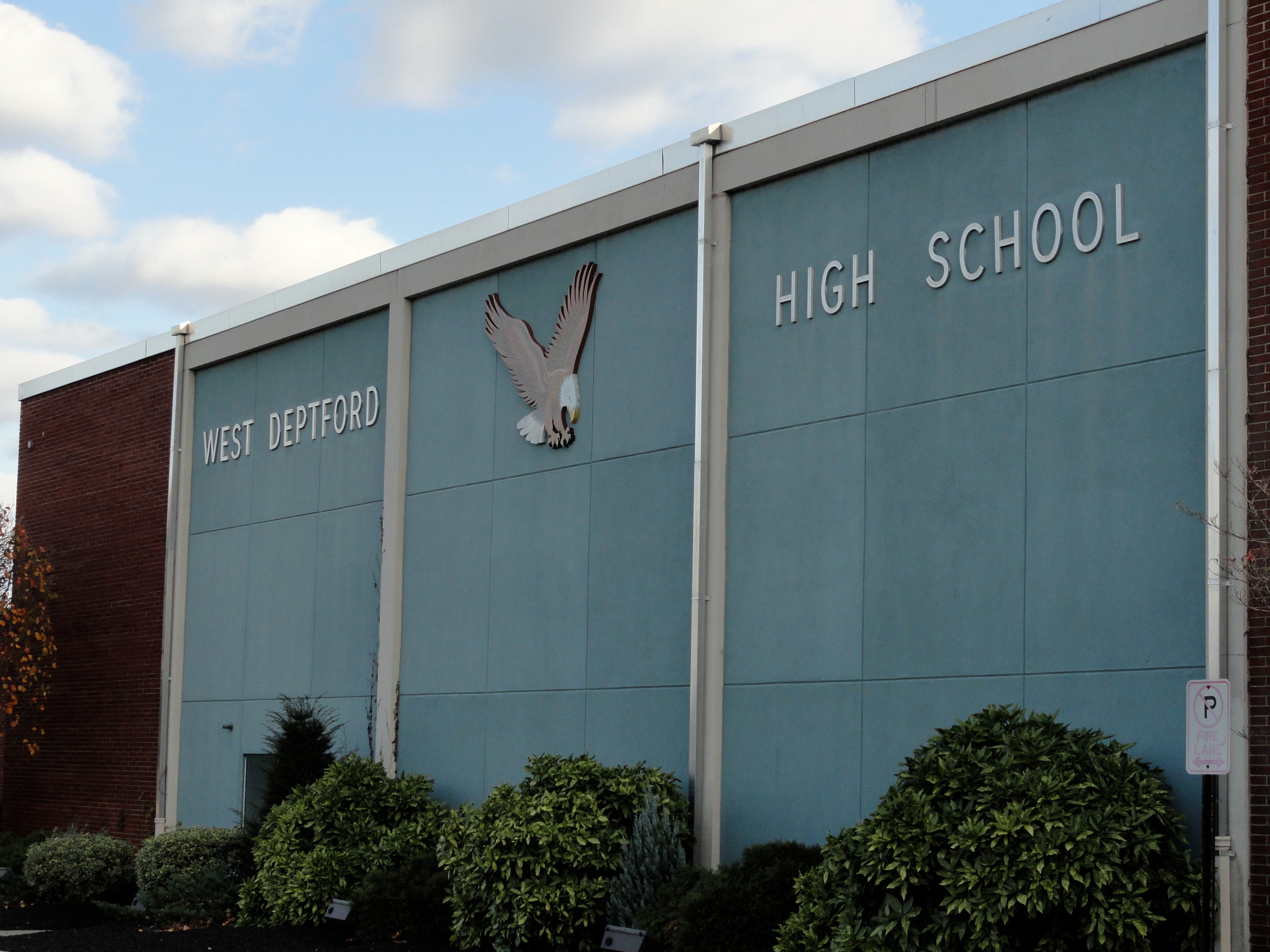
After two years of operation, West Deptford’s in-house alternative school is not just saving the district money, it’s saving students from dropping out and missing out on a high school diploma.
From small class sizes to counseling to specialized block scheduling, the program is aimed at getting at-risk students through their high school coursework and getting that diploma.
“We don’t want these students to fail,” Brian Gismondi, the principal of West Deptford High School, said during a presentation to the school board last week.
Find out what's happening in West Deptfordfor free with the latest updates from Patch.
The alternative school serves students with any number of problems, said child study team supervisor Cheryl Fairchild–everything from students classified as emotionally disturbed to kids with substance abuse problems to students with major attendance lapses in the regular high school program.
West Deptford’s alternative program, which runs in afternoons and evenings during the week, cost the district about $195,000 in salaries and about $18,000 in transportation in 2010-11, Fairchild said, but by taking them in-house, the district avoids having to pick up the tab of sending them to Bankbridge or another out-of-district placement.
Find out what's happening in West Deptfordfor free with the latest updates from Patch.
With tuition running anywhere from $12,600 for Bankbridge’s regular education alternative program all the way up to $31,680 for a student classified as emotionally disturbed, keeping those students at West Deptford saved about $123,000 last year, based on an estimate of 10 of the 20 students having to be placed out-of-district, Fairchild said.
That number could be even higher next year, she added, given the district is moving student transportation in-house, with the purchase of a minibus from a grant.
And the program is growing–while it started with just five students at the beginning of September 2010, there were 20 students at the end of the school year. Gismondi said there are another 10 already set for the program to start out in September 2011, but figures on similar growth, as they identify students with problems who could benefit from the alternative program.
At the same time, the goal isn’t to have dozens of students in the alternative program, Gismondi said.
“We don’t want to keep them in the night school program,” he said, and explained that the district aims to transition students back into the regular high school program whenever possible. Part of that is to give teenagers the chance to meet all the requirements for a high school diploma, which the alternative school can’t do.
They’ve already seen some success in getting students to meet those requirements, Gismondi said–four alternative school students walked with the graduating class of 2011 back in June, and another two are set to graduate in early August after finishing their requirements.
There are benefits besides the obvious ones for the alternative school students, though.
Just having the program acts as a deterrent against disruptive behavior, Gismondi said.
“Energy is contagious–so is negativity,” he said, and added that they’ve seen a noticeable effect from moving students with discipline problems over to the night school.
And since the district has to have an administrator on duty for the afternoon and evening hours the alternative program is in session, that means greater availability for parents or teachers who might not be able meet with Gismondi or another administrator during the day, and keeps the lines of communication open. It’s an extra perk Gismondi said he didn’t even consider until this year, when he took over as high school principal, and got to see the pluses firsthand.
“That’s a huge benefit,” he said.