Health & Fitness
STATE SHOULD RETURN ENERGY TAX FUNDS TO WEST ORANGE
Certain locally assessed taxes were originally made to off-set municipal expenses. Over time, NJ became the collector of these taxes promising they were to be returned, the promise hasn't been kept.

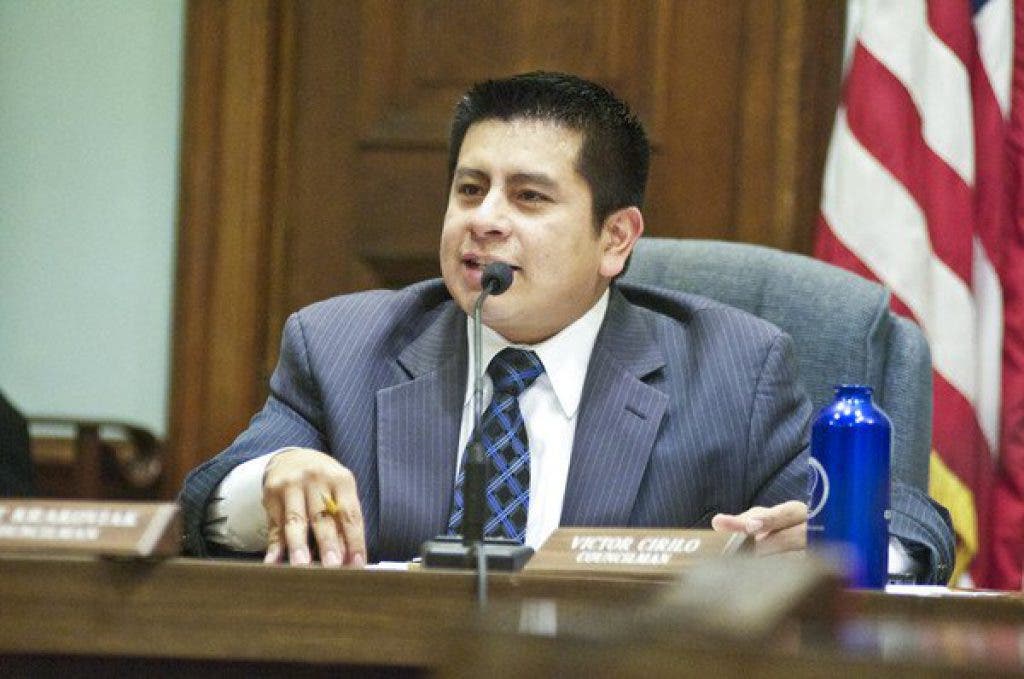
West Orange receives an annual allocation of “State Aid” through the State of New Jersey budget process. What is not widely known is that this so call “Aid” is not a hand out or a grant, but in fact “Replacement Revenue” – they are returning local taxes that have been collected by the State on behalf of municipalities.
The Energy Tax and Franchise Tax which have collectively been known historically as the Gross Receipts and Franchise Taxes date back to 1884, when the taxation of telegraph, telephone, cable, and express services was first implemented. It was understood that these fees compensated municipalities for the use, maintenance, or occupation of local public streets, highways, roads and public places, which house utility equipment. The tax has undergone several changes including the centralization of collection by the State of New Jersey with the original promise that the monies would be returned to the municipalities minus only an administrative fee.
As a result of energy deregulation, the state legislature passed a law in 1997 to insure that municipalities would continue to receive energy tax relief funding. A major concern was that heavy energy users would switch to non-utility power sources to save on tax liabilities. In addition to a number of amendments to the taxation process, the law included a “poison pill” provision, which required the State to distribute no less than the amount of State Fiscal Year 2002 dollars or revoke the right to collect the taxes.
Find out what's happening in West Orangefor free with the latest updates from Patch.
Through the insertion of language or line-item vetoes, the State has been able to divert funds from other tax relief sources to replace recaptured energy tax receipts and thereby complying with the poison pill provision. These diverted funds come from another tax relief program called the Consolidated Municipal Property Tax Relief Act (CMPTRA). CMPTRA is also a replacement revenue program created for municipal distribution. The program is funded through several revenue sources such as the personal business property tax, financial business taxes, and Class II railroad taxes, which are collected by the State on behalf of municipalities. It is not protected by a “poison pill” provision and thus has been to open to excessive reductions. The amount of recaptured energy taxes in the last 10 years totals $3.4 billion dollars. West Orange has lost $27.7 million dollars of locally assessed and generated revenue which the State has used to balance other priorities.
At our May 15, 2012 meeting, the West Orange Town Council unanimously approved Resolution 62-12, calling for the State to return these funds to local municipalities and end the diversion of municipal resources. We also need to let our State budget officials and the Governor’s office know the urgency of restoring some of the property tax relief funding promised to our municipalities by the laws of the State of New Jersey.
Find out what's happening in West Orangefor free with the latest updates from Patch.
I urge residents to contact our State representatives and ask that they support and co-sponsor Senate Bill S-1900 and Assembly Bill A-2921. The legislation would restore $331 million for municipal tax relief and will ensure that each municipality is restored to 2007 Energy Tax Relief and CMPTRA levels. West Orange municipal government has delivered two straight 0% budgets; the return of recaptured funds would greatly help our efforts to continue the delivery of quality municipal services in a fiscally prudent manner. Continued inaction results in the burdening of local tax payers to balance other State of New Jersey priorities.