Community Corner
Choose NJ Native Plants for the Birds
Planting natives is a water-thrifty, pollinator-friendly approach

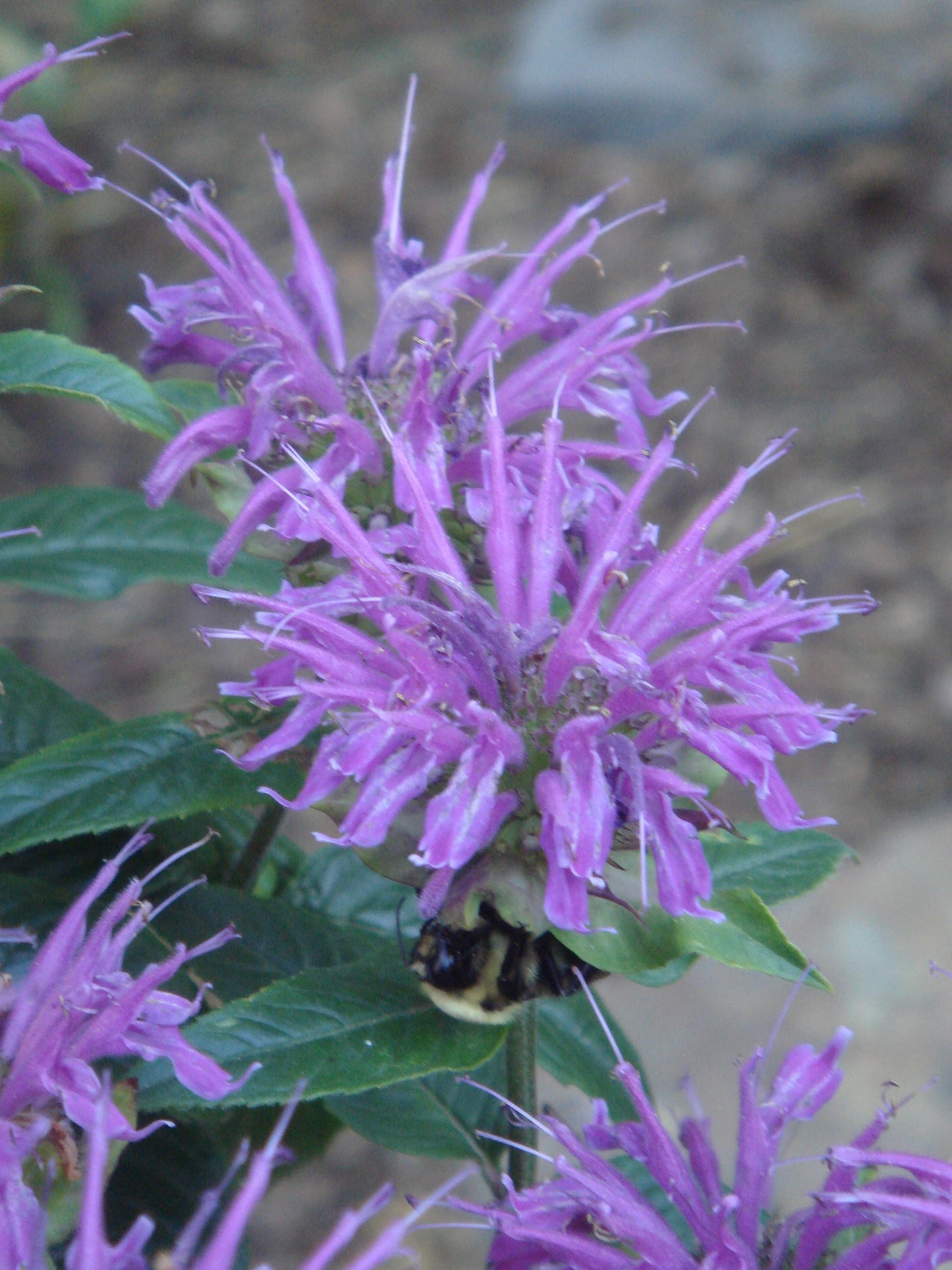
Gardening with New Jersey native plants is for the birds and promotes biodiversity and stewardship of our natural heritage. That's the word from Kathy Salisbury, president of the Native Plant Society of New Jersey, who gave an informative talk Thursday at the West Orange Public Library.
As the horticulturist for the Essex County Parks Department, she helps care for the oldest county parks system in the nation and the flora at the Turtle Back Zoo.
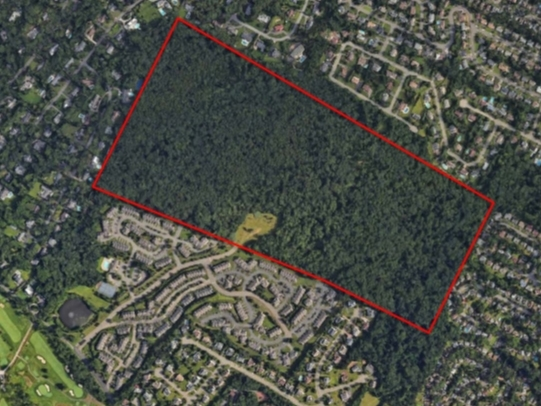
This is a timely topic for West Orange gardeners, with the Aug. 9 Eagle Rock Reservation reforestation announcement that will add over 13,000 plants to regenerate the forest with hardy NJ natives.
Find out what's happening in West Orangefor free with the latest updates from Patch.
Broadly put, "A native plant is one that grew in New Jersey before the first European settlers arrived and exists today as part of an ecosystem without human interference," said Salisbury.
Planting natives is a water-thrifty pollinator-friendly approach because they are adapted to local soil, rainfall and temperature conditions and have developed natural defenses to many pests and diseases. Wildlife species evolve with plants and use native plant communities as their habitat and food source.
Find out what's happening in West Orangefor free with the latest updates from Patch.
"This summer, if you planted native plants, you'd be seeing the benefits of it right now," said Salisbury, adding that native plants are adapted to our hot muggy summers and cold winters and don't watering to stay healthy.
To that point, dry summer conditions caused New Jersey Department of Environmental Protection officials to announce voluntary water conservation guidelines for Essex County residents Aug. 5.
The case for not planting flowers, shrubs or trees that hail from somewhere else is that they can be garden bullies that don't stay put. Non-native plants become "invasives" when they displace native species, don't provide the same benefits to wildlife and spread rapidly.
Just because a plant does not seem unmanageable in your yard does not mean that the seeds from your plants are not spreading elsewhere. The fruits on plants are eaten and spread by birds, causing infestations in places where humans can't keep them at bay.
Salisbury offered colorful attractive alternatives for common invasives in Essex County.
Replacing Burning Bush with Highbush Blueberry gives you the same brilliant fall color with the added benefit of edible berries. A Serviceberry tree can replace a non-native Bradford Pear that is susceptible for wind and ice damage.
For the birds, Salisbury recommended planting natives in groupings so overflying birds and insects can more easily identity your backyard as a good spot. Another simple idea is to put off fall clean-ups and leave standing grasses as winter shelter and seed heads for food.
My garden, I'm learning, is a veritable candy store of plants that look pretty to me but may not be beneficial for winged visitors or New Jersey's environment. Exhibit A is the fast-growing, non-native invasive Japanese Honeysuckle vine on my side fence. (A native Trumpet Honeysuckle would be a hummingbird magnet.)
Salisbury recommended the book "Bringing Nature Home" by entomologist Doug Tallamy who proposes home gardeners strive for even just 10 percent native plants in their green spaces.
Ten percent native — or more — sounds like an achievable goal for my backyard.
For more information:
The Native Plant Society of New Jersey is dedicated to promoting, appreciating, using, protecting and studying native flora and promoting locally grown plants.
List of NJ native plants by county.
Do you have ideas for upcoming columns, know a great gardener, want to ask a question or can put me in touch with people who are creating a greener West Orange? E-mail Sommer. Sommer grows a nearly organic 4-season vegetable and flower garden in Pleasantdale. She is an enthusiastic proponent for greener living and looks forward to learning from her West Orange neighbors.