Crime & Safety
Secret Service Studies Attack On Essex County Planned Parenthood
Secret Service researchers analyzed 27 "mass attacks" in the U.S., including one in East Orange, New Jersey. Here's what they learned.


ESSEX COUNTY, NJ — A “mass attack” that took place at a Planned Parenthood clinic in Essex County on Valentine’s Day last year was among more than two dozen violent incidents recently studied by the U.S. Secret Service.
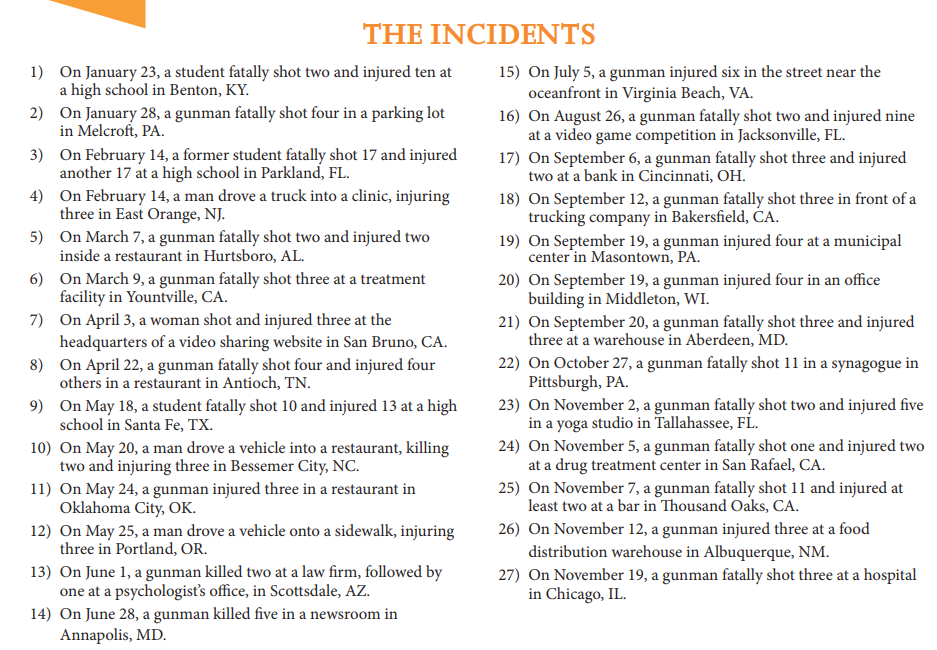
On Tuesday, the U.S. Secret Service National Threat Assessment Center (NTAC) released its annual report on “mass attacks in public spaces.” An incident that took place in East Orange on Feb. 14, 2018 was among the 27 case examples cited in the study.
Read the full “Report on Mass Attacks In Public Spaces.”
Find out what's happening in West Orangefor free with the latest updates from Patch.
Authorities previously said that Marckles Alcius, a 31-year-old resident of Lowell, Massachusetts, carried out a "truck attack" using a stolen bakery vehicle at the Planned Parenthood clinic on the 500-block of Dr. Martin Luther King Jr. Boulevard in East Orange.
Prosecutors said that three people – a staff member and two patients, including a pregnant woman – sustained minor injuries in the crash. EMS responders transported two of the victims to nearby hospitals, and one victim drove herself to the hospital.
Find out what's happening in West Orangefor free with the latest updates from Patch.
Alcius pleaded not guilty to the allegations, prosecutors said.
- See related article: Man Used Truck To Attack NJ Planned Parenthood Clinic, Cops Say
‘IDENTIFYING WARNING SIGNS’
The Secret Service study focused on 27 incidents that occurred across the U.S. between January and December 2018. The attacks happened in public places such as schools, workplaces or houses of worship. Three or more people were harmed in each encounter.
According to the Secret Service, some of the common themes involved in the attacks included:
- Most of the attackers utilized firearms, and half departed the site on their own or committed suicide.
- Half were motivated by a grievance related to a domestic situation, workplace or other personal issue.
- Two-thirds had histories of mental health symptoms, including depressive, suicidal, and psychotic symptoms.
- Nearly all had at least one “significant stressor” within the last five years, and over half had indications of financial instability in that timeframe.
- Nearly all made threatening or concerning communications and more than three-quarters elicited concern from others prior to carrying out their attacks
Story continues below
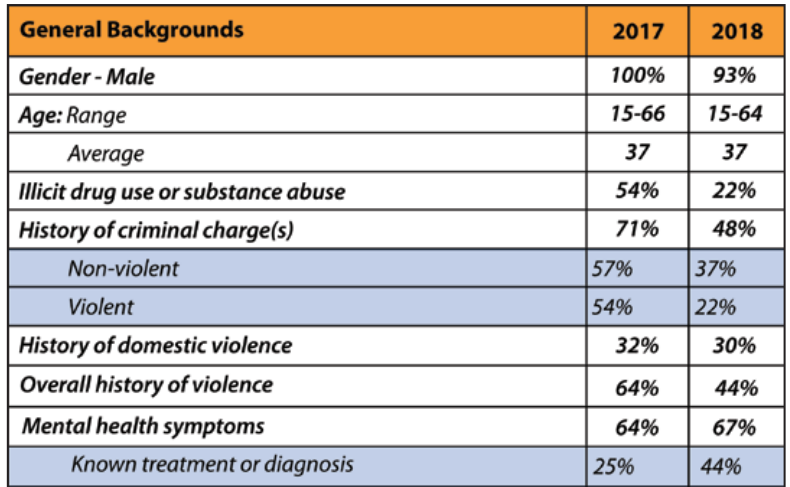
What was behind the attacks? It’s not a simple answer, researchers said, noting that there is no single profile that can predict who will engage in targeted violence.
For example, according to the NTAC:
“Mental illness alone is not a risk factor for violence, and most violence is committed by individuals who are not mentally ill. Two-thirds of the attackers in this study, however, had previously displayed symptoms indicative of mental health issues, including depression, paranoia, and delusions. Other attackers displayed behaviors that do not indicate the presence of a mental illness, but do show that the person was experiencing some sort of distress or an emotional struggle. These behaviors included displays of persistent anger, an inability to cope with stressful events, or increased isolation.”
“The violence described in this report is not the result of a single cause or motive,” the NTAC stated. “The findings emphasize, however, that we can identify warning signs prior to an act of violence. While not every act of violence will be prevented, this report indicates that targeted violence may be preventable if appropriate systems are in place to identify concerning behaviors, gather information to assess the risk of violence, and utilize community resources to mitigate the risk.”
One possible solution may simply be reaching out to people and offering an empathetic ear, researchers said.
“A multidisciplinary approach that promotes emotional and mental wellness is an important component of any community violence prevention model,” the NTAC stated. “For example, a robust employee assistance program can help to promote mental wellness in the workplace, whether that involves facilitating mental health treatment or assisting with other personal problems, like substance abuse, financial struggles or problems in a personal relationship.”
It’s also important to report legitimate threats to the proper authorities, researchers said.
According to the NTAC:
“Since three-quarters of the attackers had concerned the people around them, with most of them specifically eliciting concerns for safety, the public is encouraged to share concerns they may have regarding coworkers, classmates, family members, or neighbors. Such reports could be made to workplace managers, school administrators, or law enforcement, as appropriate. While over-reporting is not the goal, a reasonable awareness of the warning signs that can precede an act of violence may prompt community members to share their concerns with someone who can help. Systems can be developed to promote and facilitate such reporting, and people should be encouraged to trust their instincts, especially if they have concerns for someone’s safety. For example, several states have recently developed statewide reporting infrastructures that allow students and others to utilize a smartphone app to submit anonymous tips to a call center staffed by law enforcement. This type of program can facilitate not only a law enforcement response to reported threats, but also a community-level response to reports of bullying, suicidal [intentions], self-harm or depression.”
Learn more about posting announcements or events to your local Patch site. Send local news tips and correction requests to eric.kiefer@patch.com
Get more local news delivered straight to your inbox. Sign up for free Patch newsletters and alerts.