Politics & Government
Seton Hall Prep, Neighbors Cut to Core Issues of Field Construction
Wednesday hearing wraps up testimony

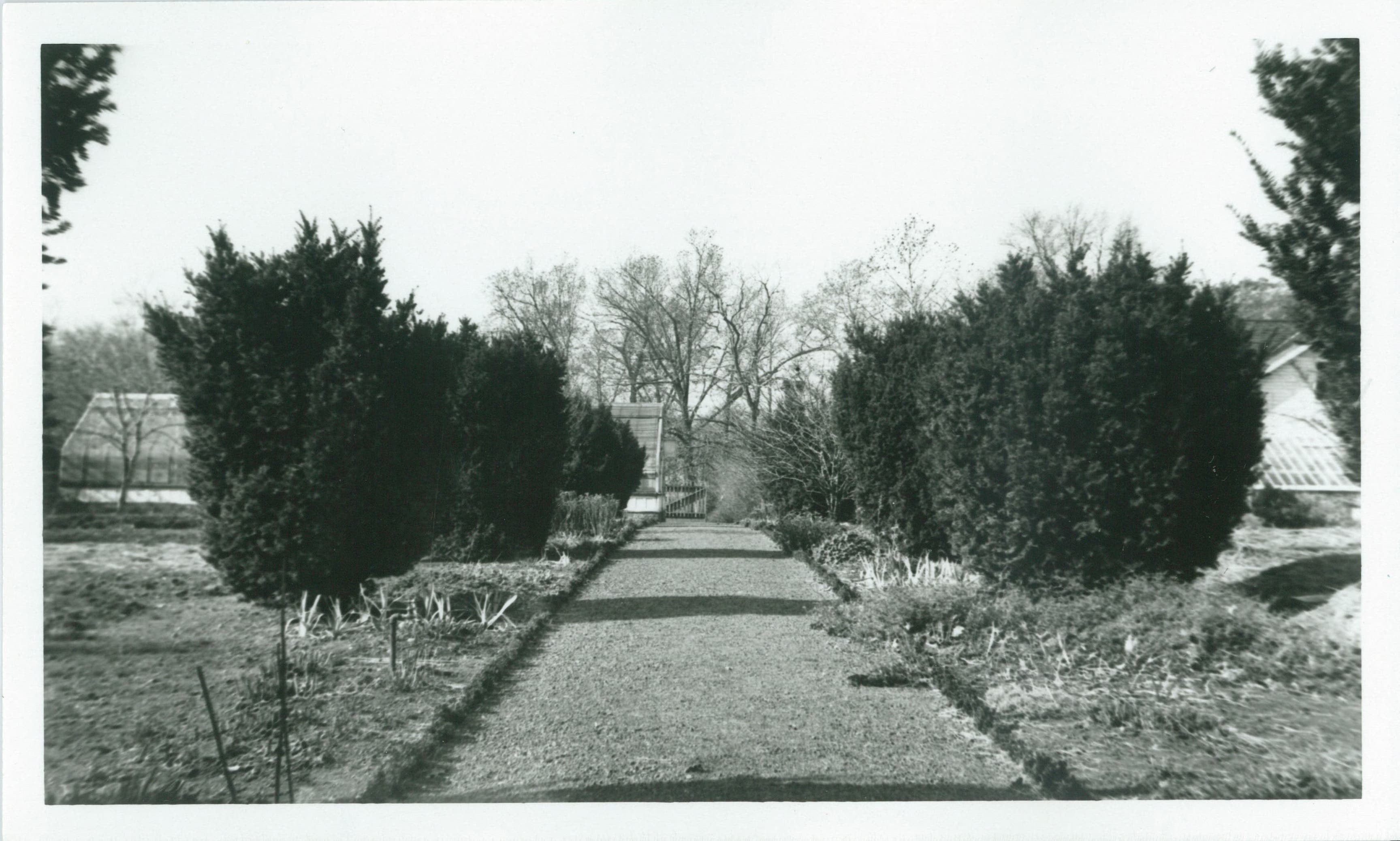

An ongoing battle between neighbors and Seton Hall Preparatory School about the school's proposed $7 million Prospect Avenue field construction showed no signs of easing after Wednesday night's zoning board hearing.
On one side is Kevin and Sally Malanga, a husband-wife team who are spearheading a group, mostly of neighbors surrounding the field's property, against the destruction of hundreds of trees and a forest to pave way for the construction.
Seton Hall Preparatory School, an all-boys Catholic high school, is looking to build on the 45-acre, privately owned land it acquired in the 1990s. The facility currently has a track, a practice field and a football field on about 23 acres of the property that the school constructed after first obtaining the land. For the additional 17 of the 22 acres left, the school now wants to add two baseball fields, a field house, five tennis courts, additional parking, batting cages, a storage building, concession stand and 40 ft.-high bleachers.
Find out what's happening in West Orangefor free with the latest updates from Patch.
"We are using the current fields for football practice, lacrosse, cross country," said Msgr. Michael Kelly, the school's headmaster. "And we really have a need for additional baseball fields because on our Northfield Avenue campus, we have to convert the field from season to season."
Kelly said the school's one field on its main campus must be changed based on the sport and the school must pay a certain amount to have the bleachers taken down and reassembled each season.
Find out what's happening in West Orangefor free with the latest updates from Patch.
"We felt we could develop further the additional (22) acres," he said. "It's been in the planning stage for numerous years now and the time then came for us to present it to the town."
The project was first presented to the township's zoning board more than two years ago, said Kelly. Since then, the school has had 22 hearings with the board about this project.
Wednesday night's hearing included testimony from engineers representing Seton Hall and Malanga's team. This hearing was the last scheduled testimony for both sides. Three additional hearings are scheduled for Sept. 1, 8 p.m., and to-be-determined dates in October and in November. The zoning board then will render a decision on the project.
Charles Stewart, of G.C. Stewart Associates in Essex Fells, who is the lead engineer on the project for Seton Hall, said testimony Wednesday discussed the changes of the plan and drainage on the property.
"We've made a series of revisions on the objectors' comments," he said. "We've modified the plan over and over again to satisfy their comments."
Kelly confirmed the school has met with the objectors and the school has scaled back its plans after these meetings.
"We've been very considerate in our negotiations with the neighbors," he said. "We have cut out a buffer zone of 400 feet from the nearest fields to the border line of our property of trees we're not touching and leaving up."
Sally Malanga, though, said Seton Hall has made no such effort.
"The school said they would form a committee of concerned citizens, but after repeated phone calls and letters, they refused to set a date," she said. "After months and months and months of hearings, they finally created a buffer zone."
Malanga said the buffer is an "Indian giver's buffer zone" that does not permanently protect the property, so the school could return to the plan and opt to construct dormitories in that area.
"The opposition would like for us just to leave all the woods there and do nothing," said Stewart. "But, we have a program and Seton Hall has needs and we've developed a plan, we think, that is a sensible plan and meets the requirements outlined by the municipality."
West Orange Mayor Robert Parisi said the township takes no official position on the construction. "This is a matter before the zoning board and it is to be vetted among the individual positions," he said.
Sally Malanga said the opposition has made its case, but will continue to fight.
"We've been making our case to the West Orange zoning board and if we hadn't done that, no one would have known that the site contains 50 trees over 150 years old, is home to the Indiana Bat, an endangered species ... that the zoning board would not have known that the neighbors are flooding as a result of one of the fields (from Phase I)," she said.
Elaine Lehmert, a Prospect Avenue resident and a neighbor of the field, said she is a victim of the alleged flooding that started with the first phase of the project in the 1990s.
"They seem to be diving from this responsibility of the flooding they've caused us," she said. "It's not ground water ... it's surface water runoff and that's not happening underground, it's coming right across atop of the land because it's all coming downhill toward us."
Representatives of the school would not address this issue.
Loren Svetvilas, who runs the website "Stop the Prep" and lives across the street from the field, said he's been trying to create awareness of the construction, including the alleged flooding, for more than two years. His main concern, similar to the Malangas, is that the project will clear away almost 1,000 trees and destroy the forest within that area.
"We've got great support from West Orange High School's Fight for Green Club, who talked to their parents and showed up at meetings; we also have support from Bergen Community College who came down for every single meeting who would protest in support of the forest," he said. "We've gotten a letter from Robert F. Kennedy Jr. in support of the forest who wrote a letter to Msgr. Kelly ... we received a letter from Julia Butterfly Hill in support of the forest ... " Hill is a nationally known environmental activist who isolated herself in a California Redwood Tree from 1997 to 1999.
Hill said in an e-mail to Patch that she understands Seton Hall's position, but supports the group who's helping protect the area's forest.
"I am all for athletics and young people having the opportunity to get good exercise and work on team building," she said. "However, forests and areas like the one near Seton Hall, are vital to the health, well-being and vitality of our communities, our planet and our future — and it is crucial that we protect them."
Svetvilas also said a concern is traffic and he started documenting the unsafe areas of Prospect Avenue in January 2009.
"There's then an increase in bus traffic, in students and there's already double parking on the street," he said. "There's so much traffic and then when they want to add a parking lot for 500 to 600 more cars and buses, we then have the idling noise and pollution ... the whole ecosystem is going to be shot."
Seton Hall's Kelly said the field only will be used during school days and hours, roughly Monday through Friday from 3 p.m. to 7 p.m. with no night games, but some Saturday afternoon games are possible.
"It does stay unused for many hours of the day and the year," he said. "You're talking about four or five football games and we've made all provisions to provide for the parking and we've done all the studies necessary, such as environmental."
Sally Malanga said her goal is to protect the land for Essex County and the planet.
"We're asking Seton Hall Prep to be good stewards and protect this land," she said. "This is a chance for them to protect a site that is ecologically rare and historically significant, as well as for their athletes and students who want to study history and ecology."
Kelly said the school has to meet the needs of its growing population.
"We have close to 1,000 students at the school and we have 15 sports with three levels in each sport, so we have a great need to provide for them," he said. "Our first proposal had a lot more than the now-proposed development, but working with neighbors, we cut back the plan substantially from the original."
Project opponent Svetvilas started a green ribbon program that neighbors can attach to trees to show support of the forest. "It's a good way to get people to recognize and see there's other neighbors that are involved," he said. "Just the idea of having a 44-acre athletic complex across the street ... it's not Giant's Stadium, but it's very disconcerting."
Kelly said the area's plan is a benign use of the property compared to what developers could construct.
"It very well could be taken over by developers who build homes in there," he said. "And that could be a lot less desirable than having athletic fields that are used infrequently throughout the year."
He insists the school does realize the environmental impact and said the school has agreed to keep certain trees to help please the opposition.
"We realize trees have to come down to build these fields, but a majority of the trees are old and have seen better days," he said. "We've preserved four trees that the objectors have asked us to save and we're able to cut out and move our fields so they'll be preserved."
Mike Sheppard, of West Orange, is a graduate of Seton Hall and a retired baseball coach at the school. He said the field helps in the development of young men.
"In my entire life, that's what I've spent my time doing," he said. "And athletics are such an important part of that as a microcosm of life itself and in order to have good athletics, you need to have good facilities."
Seton Hall's Kelly said he can't make a firm decision on when construction would begin if approval is granted from the zoning board.
"We've been looking forward to this and raising dollars from friends, alumni and endowment," he said. "So, as soon as we have final approval to go ahead, we'd be looking to begin to work on this and develop this."
The next zoning board hearing is Sept. 1, 8 p.m., 66 Main St., township municipal building, West Orange.
Get more local news delivered straight to your inbox. Sign up for free Patch newsletters and alerts.