Arts & Entertainment
Throw Down the Dukes for a Miles-Long Jazz Lesson that's Anything but Downbeat
A quick look at the pre-rock music era
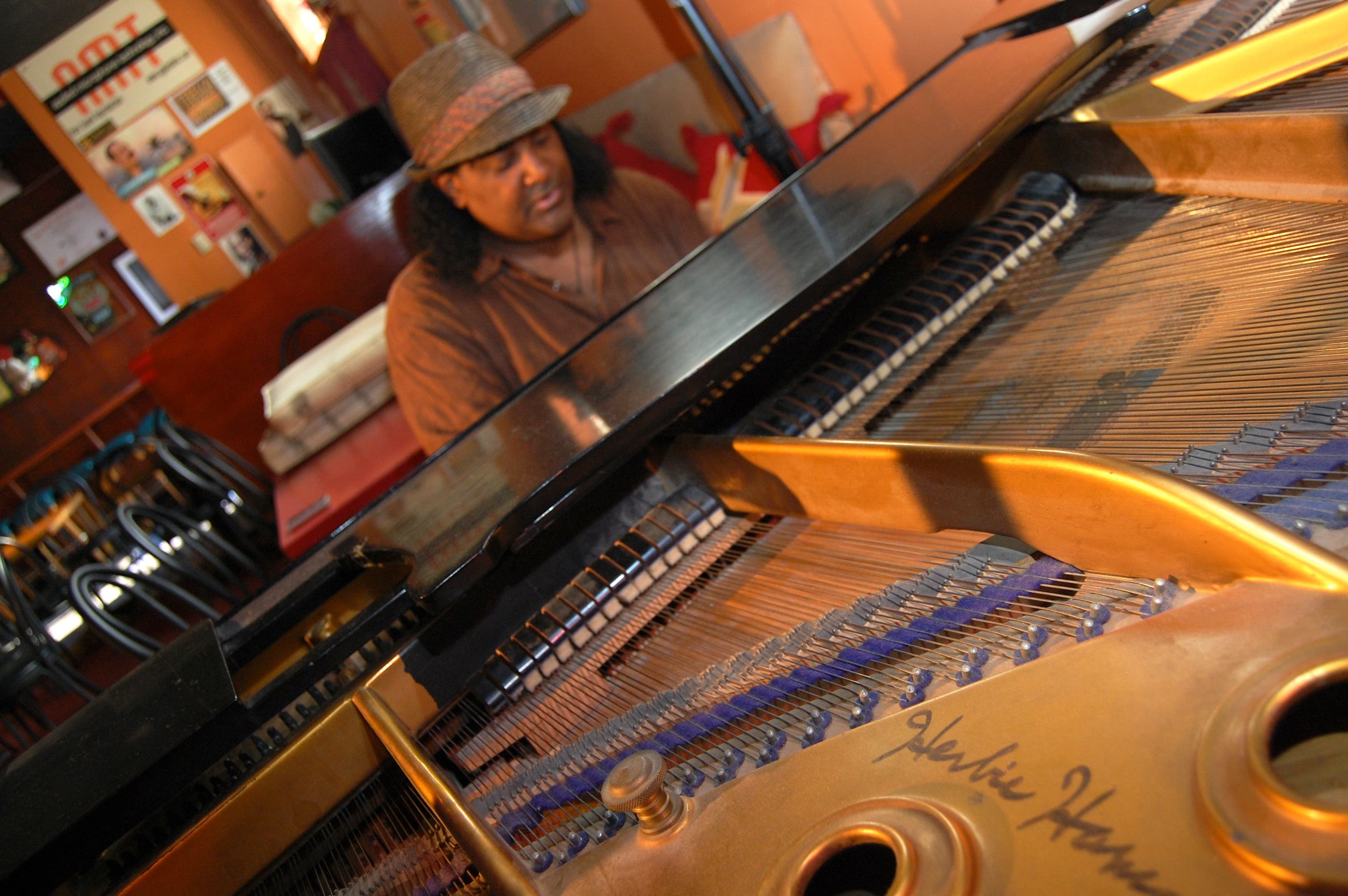
Jazz is recognized worldwide as America's greatest cultural contribution. About 60, 70 years ago, jazz, in the format of big band swing, was popular music.
Nowadays, in the United States, the relationship between jazz and the larger public is tricky. Why don't more Americans, especially around New York, the center of the jazz world, listen?
After all, the musicians are largely playing mainstream instruments — piano, guitar, saxophone, trumpet, bass and drums — and playing at a level of virtuosity, ease, humor and groove that leave rockers in the dust. Besides, there wouldn't be rock music if there hadn't been jazz. Jazz encompasses many styles from classic swing to blues-drenched Hammond B-3 organ grooves to Latin jazz, to my favorite, bebop and beyond.
Find out what's happening in West Orangefor free with the latest updates from Patch.
Granted, some jazz is less listener-friendly, but that is not what is played on the radio, in area clubs or used on television shows and commercials. I have taken scores of high school kids to hear jazz and seen their "ur-cool," 17-year-old jaws drop.
This summer, I have been at many free, outdoor jazz festivals where regular folk — all ages, all backgrounds — come more as a neighborhood hang, but find themselves digging the music. Little kids, no problem. Free of preconceived notions, they just get into it and move. Maybe people think that jazz listening is an exclusive society where you have to know a lot to get in. You don't. Still, knowing a few basic guidelines helps.
Find out what's happening in West Orangefor free with the latest updates from Patch.
Since West Orange and environs are home to a critical mass of world-class players and many of them who perform at the Oskar Schindler Performing Art Center, now is a good time for Arts Beat to offer a short guide:
At the heart of jazz is improvisation, a musician composing a melody in the here and now. But, there is an underlying discipline that allows the ensemble to play together in a way that makes sense.
Typically, the leader of the group calls a tune and counts off the tempo. Jazz musicians know a huge number of tunes and if they have never heard it before, they figure it out. (Did I mention that good jazz players are — in the music arena — geniuses?)
The group, either as an ensemble or with one or two instruments taking the lead, first plays through the melody of the tune. Then, each instrument improvises a solo that is based on the underlying harmony of the tune. The other musicians can stay together and lend support because they are also following that same, underlying harmony.
Typically, each band member gets a turn at taking a solo, then the group returns to a final playing of the original melody. What else to listen for? Well, polyrthythms — many rhythms played at the same time that mesh together. Jazz rhythm can be most readily understood by looking at the drums. In most modern jazz drumming, the drummer is implying the basic beat or time on the ride and high hat cymbals while both using the bass drum to supply a pulse and complementing the soloist on the snare. The drummer can also add accents on the crash cymbal and tom-toms.
Think about how each player has a distinctive sound and how the colors of each instrument play off of one another. Or just go, open your ears and your mind and feel the music and the rhythm, internally.
Your soul will thank you — and so will the musicians.