Neighbor News
All You Need to Know About Oral Surgical Instruments
Are you interested in learning about oral surgical instruments? Well, you've come to the right place. Let's have a look in detail.
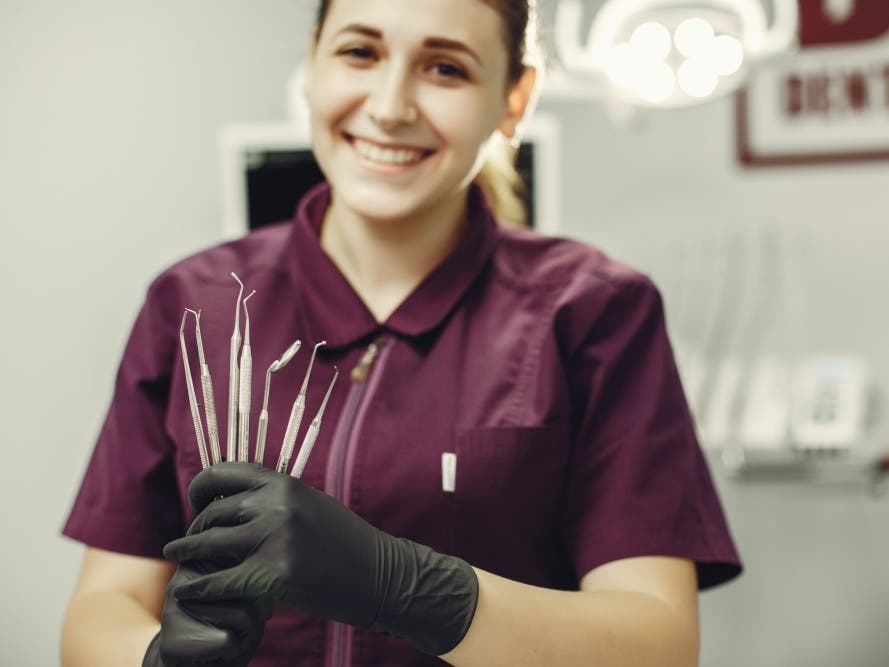
Are you interested in learning about oral surgical instruments? Well, you've come to the right place.
Thinking of sharp metal objects in the mouth isn't comforting, but professionals design these instruments to do their job as safely and effectively as possible.
In the hands of a skilled dentist or oral surgeon, these instruments can improve your oral health and fix issues you may be experiencing.
Find out what's happening in Albanyfor free with the latest updates from Patch.
While the names of some of these instruments, like extraction forceps, bone curettes, and bone files, may sound scary, most procedures using them are routine and help prevent future dental problems.
So, take a deep breath and learn about the practical yet sharp oral surgical tools. Your next dental visit will seem less frightening!
Find out what's happening in Albanyfor free with the latest updates from Patch.
An Overview of Dental Surgical Instruments
An assortment of specialized tools are required to perform oral surgery.
Let's review some of the primary instruments an oral surgeon may use.
Scalpels
Scalpels, or surgical knives, come in various shapes and sizes for cutting bone and soft tissue. A scalpel with a curved blade is often used to make incisions in the gums.
Retractors
Retractors hold back soft tissue, bone, and gums to provide better visibility and access to the surgical site. They come in multiple styles, like Austin retractors for holding back cheeks and periosteal elevators for lifting tissue covering jaw bones.
Forceps
Dental Forceps and resembling tweezers are used for grasping, holding, and manipulating tissue. Oral surgery forceps tend to have sturdier, serrated tips for a firm grip. They allow the surgeon to securely hold bone fragments, gauzes, sutures, and equipment during the procedure.
Chisels and Osteotomes
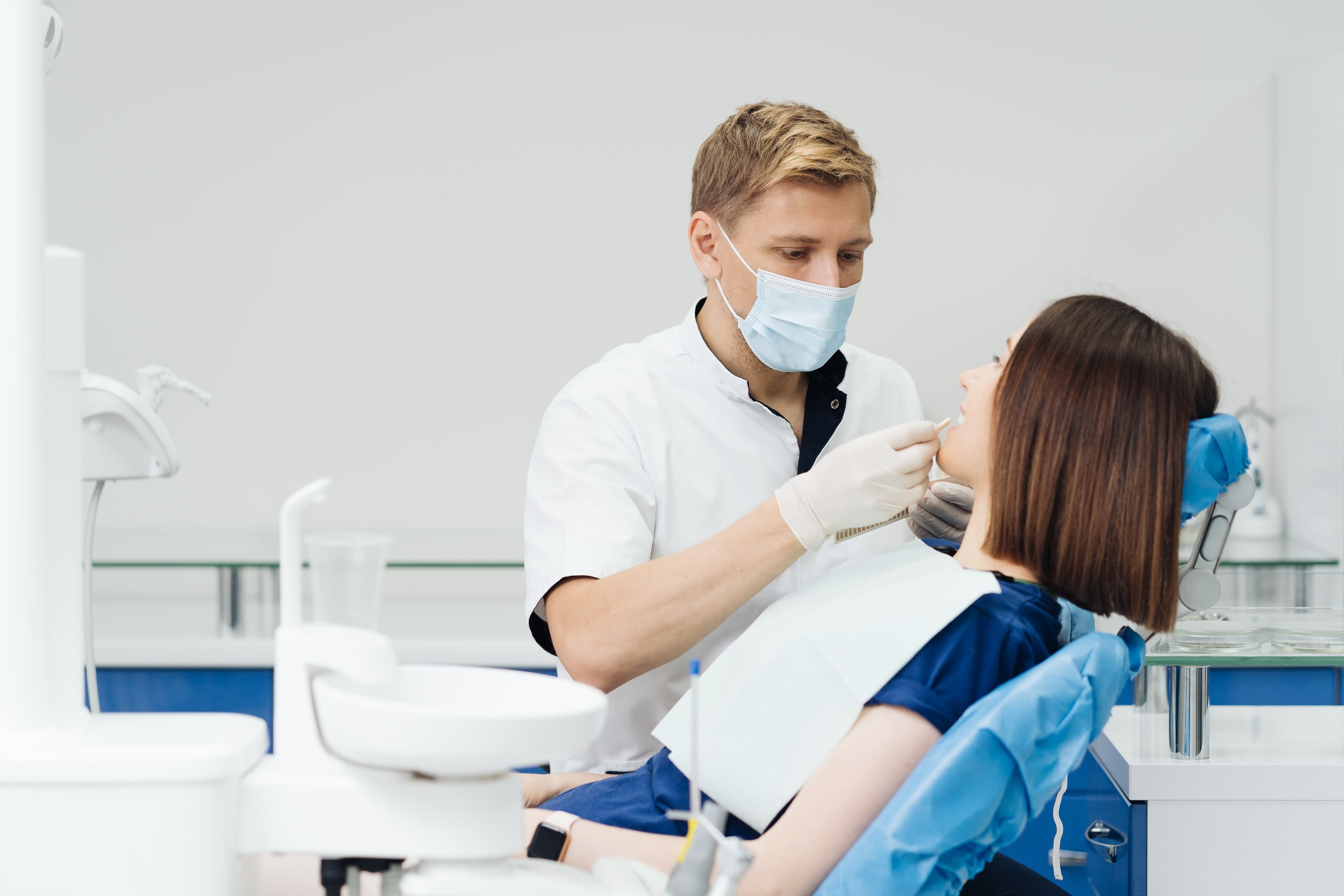
Chisels and osteotomes are used to shape and cut bone. A chisel has a blade with a straight cutting edge, while an osteotome has an angled tip. These oral surgical instruments allow the surgeon to reshape alveolar bone during extractions or make cuts in the jawbone for procedures like ridge augmentation or tori removal.
Additional Items
Other valuable dental surgical instruments include mirrors for indirect viewing, measuring devices, bone files to smooth rough bone edges, bone holding or reduction forceps, tissue punches to take biopsy samples, and needle drivers for suturing.
With the various procedures performed, oral surgeons rely on high-quality surgical instruments designed specifically for dental use.
Familiarity with these oral surgery instruments helps ensure safe and effective patient treatment.
Proper Care and Maintenance of Oral Surgical Instruments
Proper care and maintenance of oral surgery instruments are essential to keep them in the best working order and ensure patient safety.
Refrain from keeping instruments up to avoid rust, dullness, and the inability to sterilize them properly, compromising their function and hygiene. By following a few simple steps, you can extend the lifespan of your instruments and uphold high standards of care.
Cleaning
Immediately after use, soak instruments in an enzymatic cleaner to break down blood, saliva, and other debris. Scrub off any remaining residue with a soft, bristled brush. Rinse thoroughly with water to remove all traces of the cleaning solution—dry instruments with a lint-free cloth to prevent water spots before sterilizing.
Sterilization
Place oral surgery instruments in autoclave pouches or trays and sterilize them according to the manufacturer's instructions, typically by steam autoclave. Sterilization kills pathogens and prepares dental surgical instruments for storage and future use.
Storage
Store sterile instrument packs in a dry environment away from moisture and temperature extremes. Cabinets and drawers designed explicitly for instrument storage offer the best protection. Avoid stacking heavy items on top of instrument packs, which can cause dents, scratches, and damage.
Sharpening
Have sharp-cutting instruments. Professionally sharpened instruments become dull over time and need to work more effectively. Dull tools require more force and can crush or tear tissue. Sharpening stones and devices require proper training to hone oral surgical instruments accurately while maintaining the appropriate angle and edge.
Lubrication
Lightly lubricate hinged and articulating instruments with a water-soluble and sterilizable lubricant to keep actions smooth and prevent corrosion.
Apply lubricant with a small brush, wiping away any excess with a soft cloth—Lubricate instruments after cleaning and before sterilization.
Following comprehensive cleaning, sterilization, proper storage, sharpening, and lubrication will keep your instruments in working order for years. Be diligent in your instrument care and maintenance for the safety of your patients and the quality of your work.
Conclusion
So there you have it, a quick overview of the oral surgical instruments your surgeon may use during common dental procedures. While it may seem unnerving to know exactly what instruments are involved, rest assured your surgeon has years of specialized training to ensure maximum patient safety and comfort.
GerDentUSA offers customization options to our customers so they can get the perfect, precise tool according to their needs. They aim to provide quality tools that help you perform exceptionally during your daily practices.
FAQs
What essential oral surgical instruments are used in a typical procedure?
Critical instruments, including forceps, scalpels, and elevators, are the most essential dentistry instruments in oral surgery.
How should dental surgery instruments be sterilized and maintained?
Instruments should undergo a thorough cleaning, followed by autoclaving or chemical sterilization.