Neighbor News
Can Air Conditioners Make You Sick?
Beat the heat without getting sick! Learn how air conditioners can harm your health & the simple steps to keep them safe for your family!

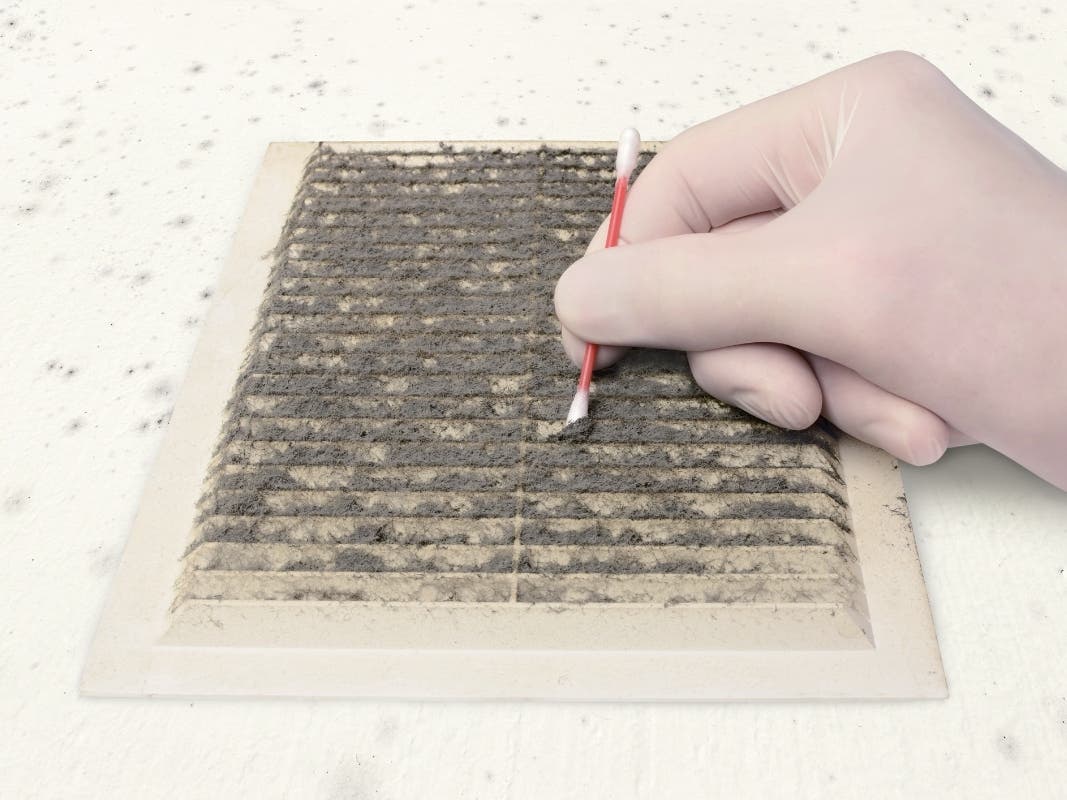
Are you ever concerned that using an air conditioner can make you sick? With such heavy usage during the hot summer months, it’s certainly a thought worth questioning.
The purpose of air conditioners is too cool and circulate air in our homes, offices, and public places. Our air conditioners help us beat the heat, sleep better, and make our homes more comfortable. In some cases, however, air conditioners may increase the risk of infections, especially in crowded and poorly ventilated spaces.
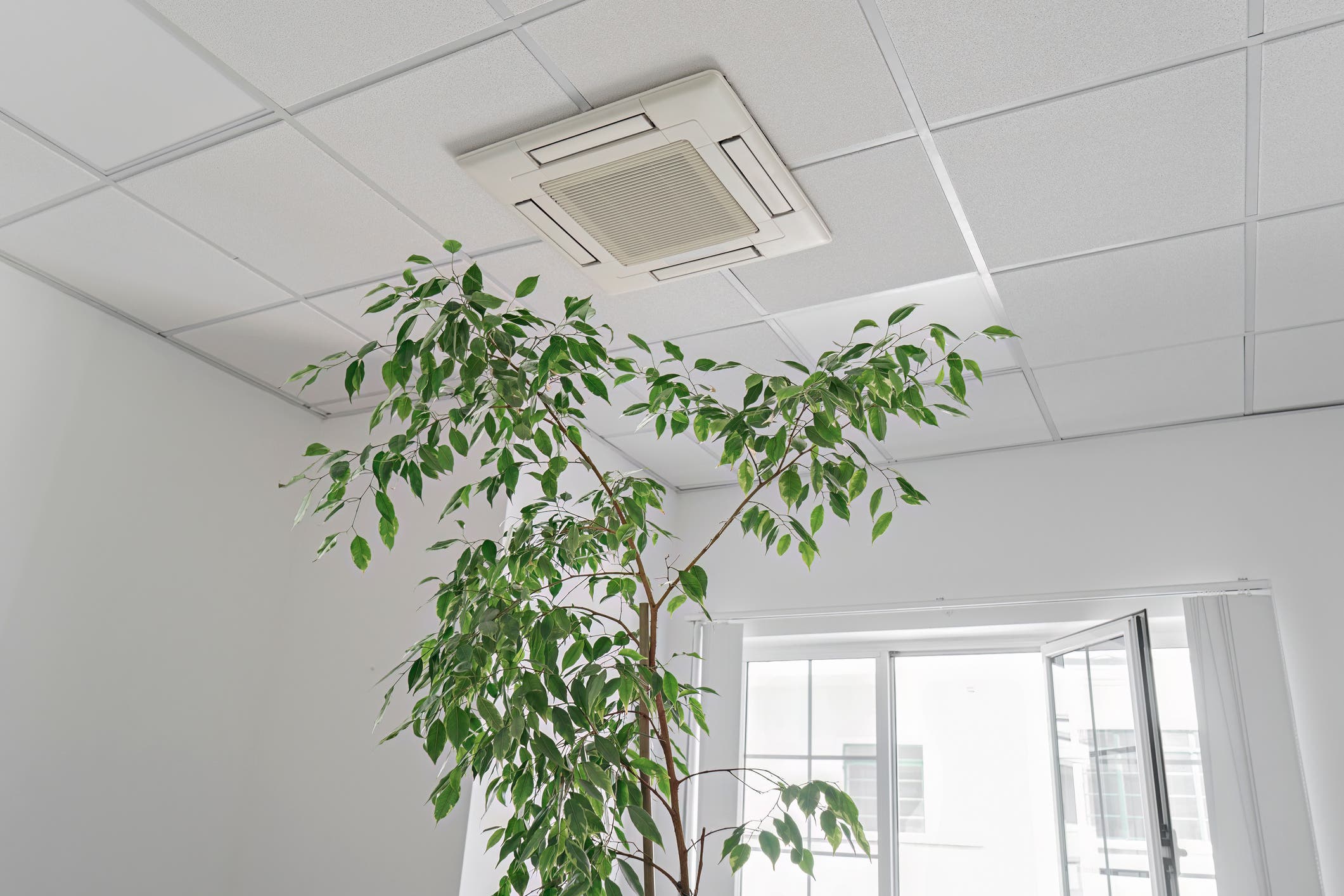
When used improperly there are some potential health concerns that could arise. It is possible for an air conditioner to cause dry skin, dehydration, headaches, and respiratory ailments if the air is too cold or dry or if it is not maintained properly. Additionally, they can circulate pollutants, allergens, and other harmful particles in the air, which can exacerbate allergies and asthma.
Find out what's happening in Albanyfor free with the latest updates from Patch.
For these reasons, it is important to maintain your air conditioning system properly, use appropriate settings for temperature and humidity, and ensure proper ventilation and air flow in indoor spaces. Following these practices will minimize any potential health risks from using an air
conditioner.
Find out what's happening in Albanyfor free with the latest updates from Patch.
How Air Conditioners Work
There are three main parts of your home air conditioner - a compressor, a condenser, and an evaporator. During the compressors operation, a refrigerant is squeezed, which is a chemical that absorbs heat from the indoor air. The refrigerant then releases the heat and becomes a liquid, and flows through the evaporator, which cools the air as it passes over it. After cooling and dehumidifying the air, it is blown back into the room through air conditioning vents.
Potential Health Risks of Air Conditioners
Although air conditioners can make our indoor spaces more comfortable during hot and humid weather, they can also pose potential health risks if not used properly. For example, air conditioners can cause dry skin, dehydration, and headaches if the air is too cold or dry or if the system is not maintained properly. They can also magnify any pre-existing respiratory problems, especially if the air conditioning system circulates pollutants and allergens. In fact, it is been found that air conditioners can increase the risk of infections, especially in crowded or poorly ventilated spaces. This is because air conditioners can create an environment that is conducive to the growth and spread of bacteria, viruses, and other germs.
Indoor air quality
If an air conditioning system is not properly maintained or used incorrectly, it can circulate pollutants, allergens, and other harmful particles throughout indoor spaces. Some common pollutants and allergens that can be circulated by air conditioning systems include dust, mold, pet dander, and volatile organic compounds (VOCs). These particles can cause respiratory problems, allergies, and other health issues, especially for people who are sensitive or allergic to them. To prevent the circulation of pollutants and allergens, it's important to regularly clean and maintain your air conditioning system, including changing the filters and scheduling routine inspections by a professional. You may also consider using air purifiers and other indoor air quality tools to further improve the air quality in your home or workplace.
Tips for maintaining healthy air conditioning
● Keep air filters clean or replace them regularly to ensure efficient air flow and prevent dust and dirt buildup.
● Maintain optimal humidity levels in the air conditioning system by using a humidifier.
● Keep windows and doors open as much as possible, or install exhaust fans to improve air circulation.
● You should have a professional technician inspect and maintain your air conditioning system at least once a year to identify potential problems.
● Make sure the area around the air conditioner is free of debris, dust, and other obstructions that can impede airflow.
Ultimately, your A/C plays a major role in the comfort of your home. However, even the best air conditioners cannot maintain themselves. If you want to ensure your machine is running properly and not adversely affecting the health of you and your family, follow the above tips or schedule regular maintenance with a professional HVAC contractor. In this way, you will be much less likely to trigger an illness caused by airborne germs from your AC unit.