Health & Fitness
Know What's In Your Chicken
Things you should know about chicken raised in factory farms.
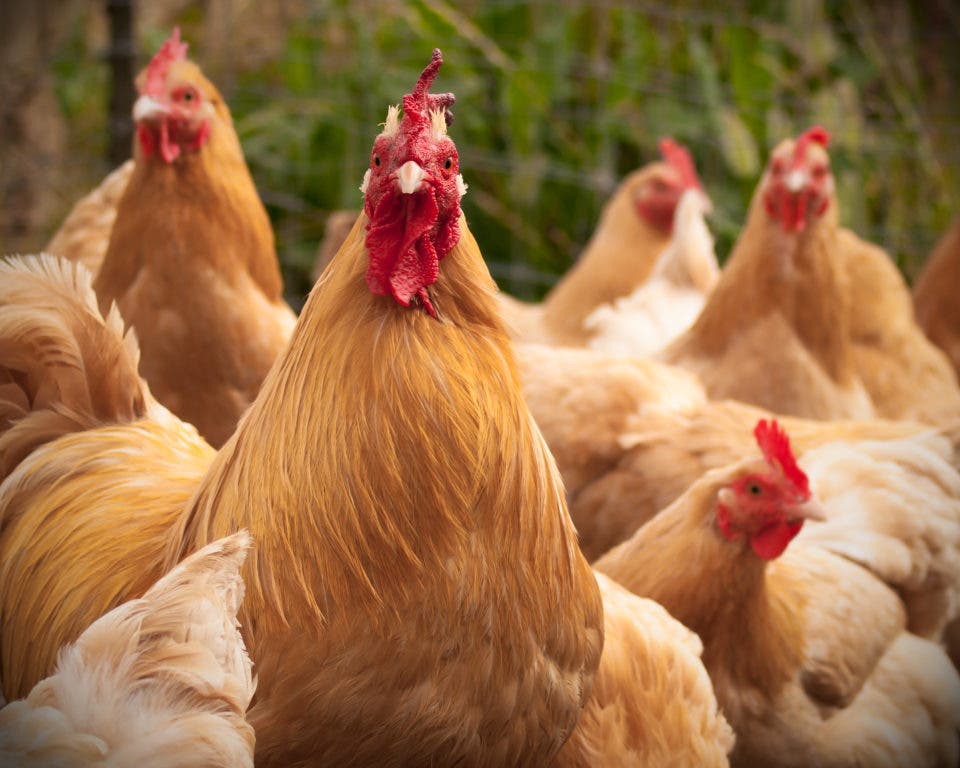
Have you ever wondered where your chicken is really coming from? Or how your food is being produced and what the animals are being fed?
The reality of commercialized chicken is not very appetizing - not for the chicken or the consumer. When it comes to eating meat, we are a couple that feels it’s crucial to know where your food comes from, to know what the animals eat and how they are being raised. It gives you more control over the food you eat.
Here are some of the not-so-tasty things you should know about the widespread practices in the poultry industry.
Find out what's happening in Bayside-Douglastonfor free with the latest updates from Patch.
Salt-Water Infused Chicken
Raw chickens are injected with salt-water solutions during processing for an extra long shelf life and an extra high dose of sodium in your diet. Raw chicken breast can contain fives times more sodium than pasture raised chicken.
Find out what's happening in Bayside-Douglastonfor free with the latest updates from Patch.
Arsenic in your Chicken
Every year, about two million pounds of arsenic-containing chemicals have been fed to chickens in the U.S, one of the more than 20 drugs, antibiotics and supplements routinely fed to animals raised for slaughter.
It’s standard practice for huge factory farms that supply your grocery stores to dip the chicken in chlorine, arsenic, etc to allow for a longer shelf life. Why do this? When you pack a football field-sized shed with tens of thousands of birds to lie in their own waste, they can become so heavily infested with internal parasites that adding arsenic to the feed to poison the bugs and reduce infection can result in a dramatic increase in growth rates.
Also, chickens are routinely fed arsenic to turn their skin a pinkish color, the preferred and more appetizing color for consumers.
Benadryl
Benadryl makes its way into the chickens’ diet to reduce anxiety, as stressed out chickens produce tougher meat and grow more slowly. What’s the rush?
Coffee Pulp and Green Tea Powder
It seems some exotic ingredients are making their way into the food chain and not in a good way. To keep the chickens awake for longer periods of time so they can eat more, they’re being fed coffee pulp and green tea powder. It’s an exhausting and miserable existence for the chicken.
What Can You Do?
What better reasons to buy locally and from sustainable sources? Get to know where your food is coming from and what kind of lives the animals are living. By better understanding the practices of your local farmer you can make better decisions on the food you buy. Stop supporting these big factory farms. Supermarkets buy their meats from these industrial type farms, so try to avoid buying your meat from these places.