Home & Garden
Westchester Land Trust Launches Habitat Enhancement Initiative at Sugar Hill Farm in Bedford Hills
Project will improve experience for visiting children's groups and showcase environmentally sound land-management practices
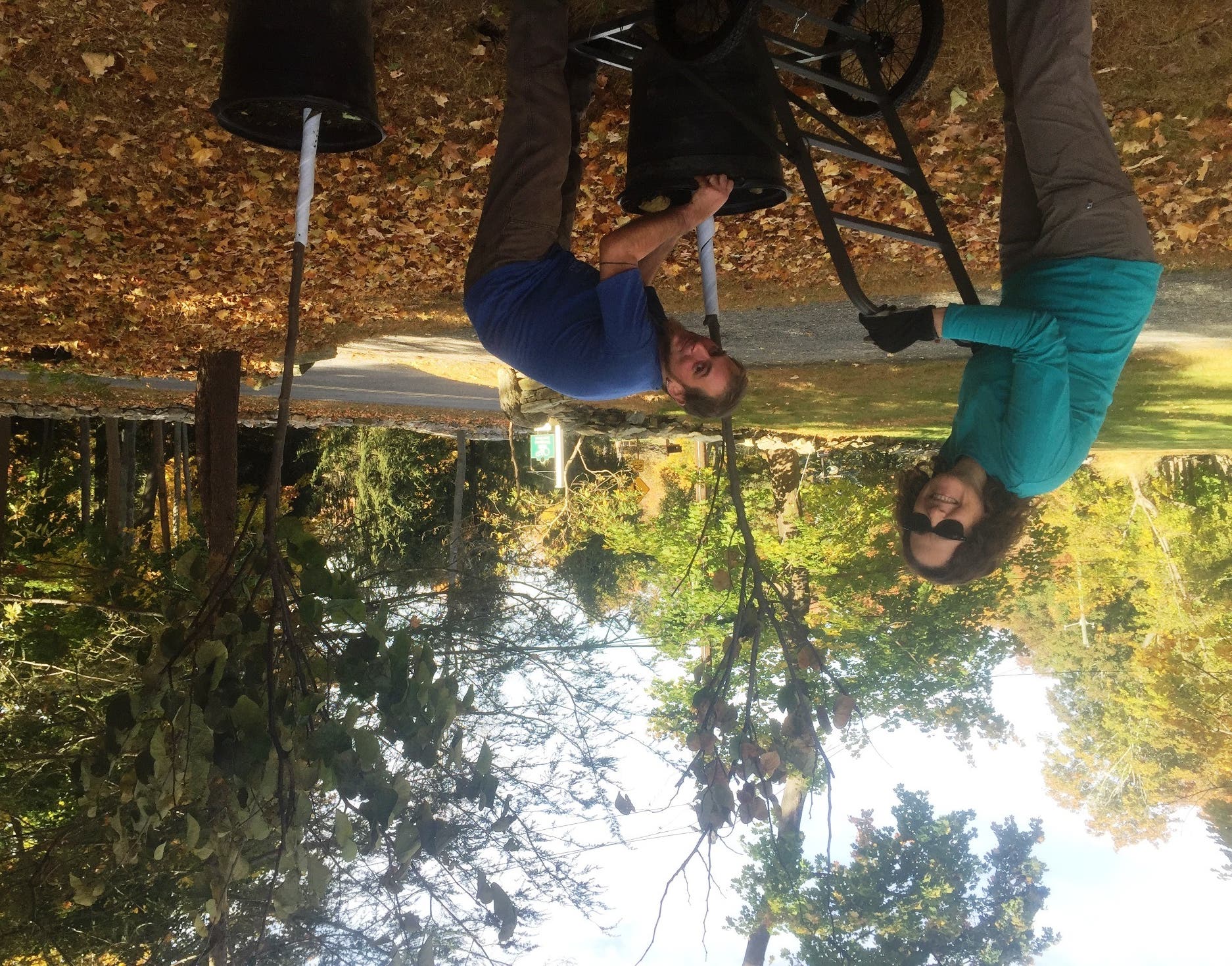
The Westchester Land Trust (WLT) launched a Habitat Enhancement Initiative at its 4-acre headquarters, Sugar Hill Farm, located in Bedford Hills on Harris Road. The property, which includes a farmhouse built in approximately 1898 (now used as offices) and a working farmland, is one of 29 preserves owned by the land conservation organization. Many of these preserves are actively managed by WLT as “Ambassador Preserves” -- landscapes that because of their unique and welcoming environment, better connect people to the land, motivate their involvement and inspire their commitment.
Although atypical of our preserves – which may boast an extensive trail network or scenic overlooks – Sugar Hill Farm it is the perfect venue for our organization to showcase environmentally sound and resilient land-management practices. Every year, hundreds of visitors come to Sugar Hill Farm for workshops and lectures. Our ½ acre working farm, which produces almost 5,000 servings of vegetables for the Food Bank for Westchester’s local pantries, brings hundreds of additional volunteers every year to help work the farm. And dozens of school groups and summer campers visit annually to learn about farming and nature in general.
In an effort to improve the visitor and educational experience afforded by Sugar Hill Farm, last year, WLT hired a summer intern named Michael Kaminski thanks to a grant from the Rusticus Garden Club. Mr. Kaminski drafted a sustainable landscape design plan for Sugar Hill Farm that incorporated the remediation of the impact of invasive plant species and storm water runoff, promoted the use of indigenous plants raised from locally propagated and collected seeds, and enhanced the native wildlife habitat.
Find out what's happening in Bedford-Katonahfor free with the latest updates from Patch.
The first phase of this Sugar Hill Farm Enhancement Initiative, entitled “Welcome to WLT,” included the transformation of WLT’s once manicured front entry lawn into a wildlife haven. More than 200 native plants including Redbud Trees, sugar maple trees, 3 species of ferns, big bluestem and little bluestem grass and swtichgrass, bee balm, native lobelia, white snake root, Woodland Aster, native sunflowers and purple cone flower were planted. In advance of the planting, volunteers trimmed and pruned existing trees, and felled several invasive Norway Maple trees to give all the new plants the space and sunlight to thrive.
By next year, visitors to Sugar Hill Farm will be able to tour this native plant garden and learn about the importance of native species vs. invasive plant species. Native ecosystems provide better air purification, water retention, erosion control, and climate regulation than ecosystems where invasive species have taken over. Additionally, local wildlife is better adapted to and thrive off of native plant species. This project will encourage biodiversity, which in turn will welcome more butterflies, flowers and birds to the habitat… making Sugar Hill Farm a place to visit and learn about nature.
Find out what's happening in Bedford-Katonahfor free with the latest updates from Patch.
Based in Bedford Hills, NY, WLT is one of the leading conservation organizations working to protect and enhance the natural resources in Westchester and eastern Putnam counties. WLT’s conservation efforts impact the long term health of these communities as well as those neighboring them through the protection of air and water quality, food supply and critical habitats for the more than 9.5 million residents in the surrounding areas. Its efforts also ensure the preservation of scenic viewsheds and the creation of passive recreation opportunities. WLT works together with public and private partners to preserve land in perpetuity through the donation of property, fee acquisition, or use of legal instruments called conservation easements. As a result of WLT’s conservation efforts since its founding in 1988, the organization has protected approximately 7,500 acres including more than 700 acres on 29 preserves. To learn more, visit westchesterlandtrust.org.