Politics & Government
30+ Percent Of Some Hudson Valley Seafood Mislabeled: AG Report
The attorney general said that "seafood fraud isn't just a fluke."


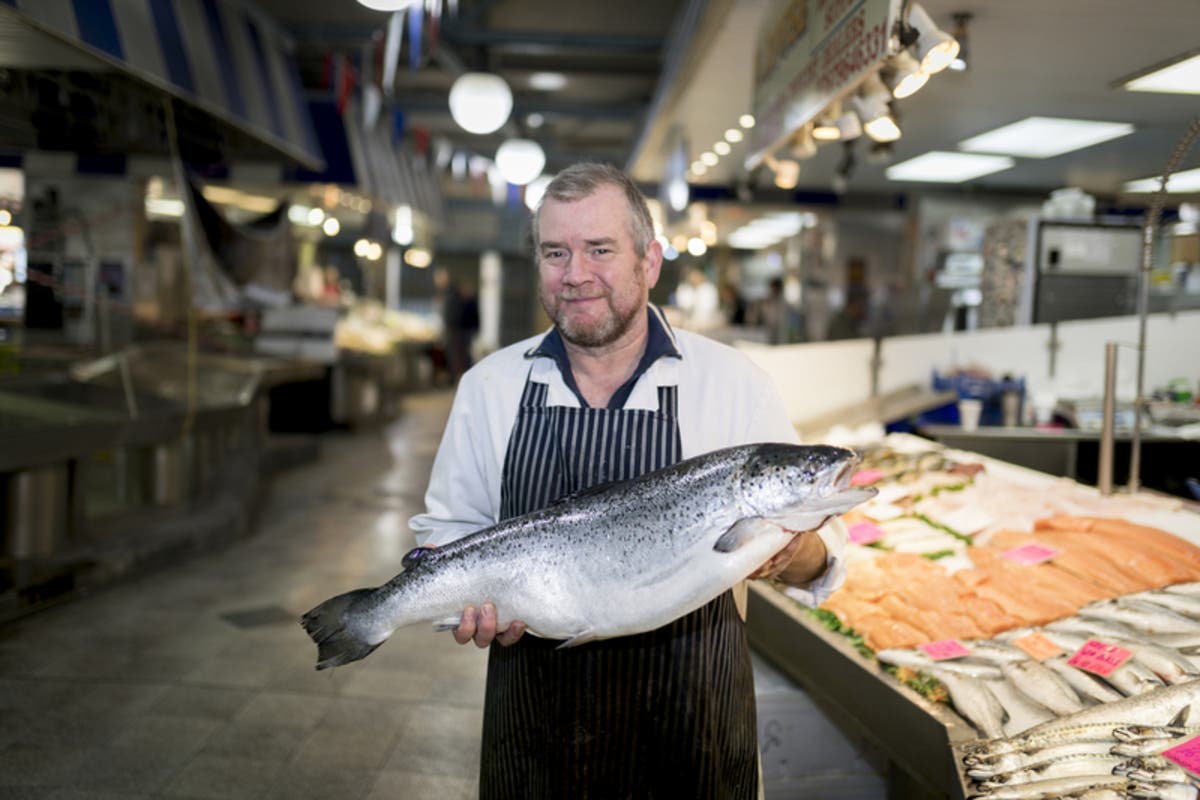
You think that wild salmon you bought was really wild? Maybe not, according to a report by state Attorney General Barbara D. Underwood released Friday. Titled "Fishy Business: Seafood Fraud and Mislabeling in New York State Supermarkets," the report details high levels of suspected seafood fraud and mislabeling in state supermarket chains, including in the Hudson Valley.
Underwood's investigation, which included DNA testing, found that more than one in four samples purchased was not sold under a federally recognized market name for that species.
She said that mislabeling of certain popular species was rampant. More than a quarter — or 27.59 percent — of samples sold as wild salmon were mislabeled, as were red snapper (67 percent mislabeled) and lemon sole (87.5 percent).
Find out what's happening in Bronxville-Eastchesterfor free with the latest updates from Patch.
The substitutes were often cheaper, less desirable and less environmentally sustainable species.
Underwood said this included farm-raised salmon sold as "wild," lane snapper sold as red snapper and swai sold as lemon sole.
Find out what's happening in Bronxville-Eastchesterfor free with the latest updates from Patch.
"It's clear that seafood fraud isn't just a fluke — it's rampant across New York," Underwood said.
She said that, since supermarkets are the last line of defense before a phony fish ends up as family dinner, they have a duty to do more.
"We're taking enforcement action, and consumers should be alert and demand that their supermarkets put customers first by taking serious steps to ensure quality control at their seafood counters," Underwood said.
The investigation by the AG's office took place from late 2017 through 2018 and purchased seafood based on availability at 155 locations across 29 supermarket brands. Hudson Valley supermarkets from whom seafood was purchased included Adam's Fairacre Farms, C-Town, DeCicco's, Fairway, Hannaford, Foodtown, Price Chopper, ShopRite and Stop and Shop.
It targeted seafood from nine distinct categories, including red snapper, snapper, grouper, cod, wild salmon, halibut, lemon sole, sole, striped bass and white tuna.
The samples were sent for testing by the Ocean Genome Legacy Center at Northeastern University.
Read more about the method used to test the seafood in the report here.
The AG's report's findings included the following:
- More than one in four (26.92 percent) seafood purchases with an identifiable barcode was mislabeled.
- Of the 12 chains with 10 or more samples tested, five had rates of suspected mislabeling that exceeded 50 percent, including Food Bazaar, Foodtown, Stew Leonard's, Uncle Giuseppe's and Western Beef (they received enforcement letters seeking further information including seafood quality control practices and could face financial penalties).
- While mislabeling affected virtually every tested seafood category, there was rampant mislabeling in certain species, such as lemon sole, red snapper, wild salmon and grouper.
- NYC had a staggering mislabeling rate of 42.65 percent, with Long Island at 40.63 percent and Westchester and Rockland counties at 32.43 percent.
Underwood said the report warns consumers to be on alert for seafood pricing that seems too good to be true, because it may signal problems.
The report also encourages consumers to demand that their supermarkets provide precise labeling of the seafood they sell and describe their quality and sustainability practices.
Underwood's report also outlines a series of best practices — including vetting of seafood suppliers, oversight of individual supermarket locations and staff and careful labeling — that she urges all supermarkets to adopt.
Image via Shutterstock.
Get more local news delivered straight to your inbox. Sign up for free Patch newsletters and alerts.