Arts & Entertainment
Brooklyn Festival Founder Booked Superstars Before They Broke Out
Before Kendrick Lamar and Doja Cat broke out, Al Damashek booked them in New York. Now he's betting on Brooklyn's next generation.


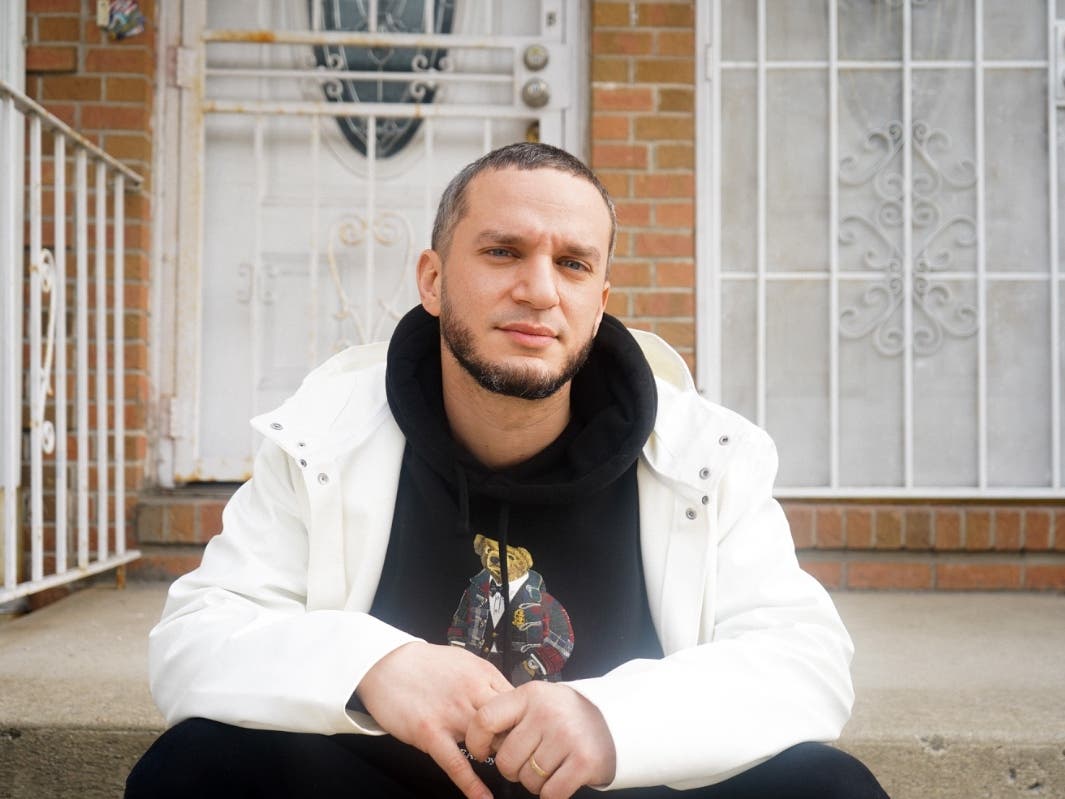
BROOKLYN, NY— By the time an artist becomes a household name, the groundwork often happened long before the arena tours, platinum records and viral algorithms.
For nearly two decades, Al Damashek has built a career around finding that moment first.
The founder of Move Forward Music has spent 18 years booking emerging artists into New York City venues before the rest of the industry caught on.
Find out what's happening in Brooklynfor free with the latest updates from Patch.
Damashek booked musicians like Kendrick Lamar, Doja Cat, Juice WRLD, Shaboozey and Ravyn Lenae before they reached mainstream audiences, and brought them to New York stages, betting on instinct as much as data.
One phone call became the defining project of Damashek's career.
Find out what's happening in Brooklynfor free with the latest updates from Patch.
André 3000 was preparing to bring his debut solo album, New Blue Sun, an instrumental flute project that marked his first solo release after a 17-year hiatus, to the stage for the first time.
Rather than a traditional concert hall, the artist wanted an unconventional setting that reflected the album's meditative sound.
Damashek's answer was the historic St. Ann & the Holy Trinity Church in Brooklyn.
Building a concert inside the space required overcoming significant production challenges, but the result became André 3000's first solo concert after decades of performing with Outkast.
"We were able to be in position to receive that call, have the perfect solution for the show and be able to deliver a high-quality experience," he said.
Rather than creating another sprawling outdoor festival, Damashek designed Sounds That Move around New York City's neighborhoods.
The inaugural event connected five venues along one Brooklyn block into a shared festival experience featuring concerts, vendors, panels and speakers.
Instead of forcing attendees to buy one expensive ticket, each performance remained available individually.
"What we do is we have a distributed model for the festival where every show has its own individual ticket," Damashek said.
That structure serves both fans and artists.
Emerging performers still headline intimate rooms filled with people who came specifically to see them instead of playing early-afternoon festival slots for scattered audiences.
"We're trying to keep everything very easy to access, so that we can really build the community."
For Damashek, the festival represents more than another production.
He sees it as a long-term investment in New York City's independent music ecosystem.
"We're community building," he said. "We're providing a platform for artists that doesn't exist right now."
His approach has taken him from handing out flyers outside clubs to producing more than 1,000 concerts, nightlife events and brand activations, including Spotify's RapCaviar Live series and André 3000's first solo concert.
Damashek started as a rapper and DJ while he was still a teenager, chasing his own music career before realizing he could make a bigger impact helping other artists build theirs.
After joining Sounds of Brazil at age 22, Damashek watched every detail inside one of New York City's longest-running live music venues, known for introducing generations of hip-hop, R&B, Latin and world music artists.
"I always watch the crowd," he said. "That's always the thing for me — to really watch the crowd, understand what people are reacting to and what's moving people."
That habit became his advantage.
While many executives focused on industry buzz, Damashek studied audience reactions in real time, building what he called an algorithm in his head.
"I take all those experiences of actually watching people in real life," he said. "And compile it."
The early years brought more setbacks than victories.
"When I launched my company... I thought I knew everything, but I was 24 years old, and obviously I didn't," Damashek said.
He lost money promoting early concerts.
Then he found more work, rebuilt his budget and organized another show.
"Through a lot of trial and error... Figured out different things, took other jobs, got myself back," he said. "Then piece by piece figured it out."
He wore nearly every hat as he built Move Forward Music, booking artists, overseeing production, greeting performers when they arrived and, on some nights, even working the door himself.
That hands-on experience eventually earned trust across the industry.
So what are the breakthrough sounds of today?
Damashek said he believes music has become both more fragmented and more connected.
Streaming platforms and recommendation algorithms have splintered audiences into smaller communities instead of creating one dominant cultural conversation.
"I think everything is blending together, but also very niche," he said.
Instead of chasing one universal sound, artists increasingly build loyal audiences inside highly specific communities.
"The cool part about that is that there's a scene for everything," Damashek said.
"I think the [successful] artists are the ones that are blending different genres seamlessly together in ways that don't feel forced."
His goal remains the same one that began when he first watched crowds inside SOB's nearly two decades ago.
Find the artists people will eventually know.
Then give them a stage before everyone else does.
To learn more about Move Forward Music and festival click here.
Get more local news delivered straight to your inbox. Sign up for free Patch newsletters and alerts.