Neighbor News
Vegan 'butcher' shop coming to Bed-Stuy: Learning the ins and outs of vegan, vegetarian products
With cheers and furrowed brows over news of a vegan "butcher" shop opening in NY, other aspiring business owners may want business tips.

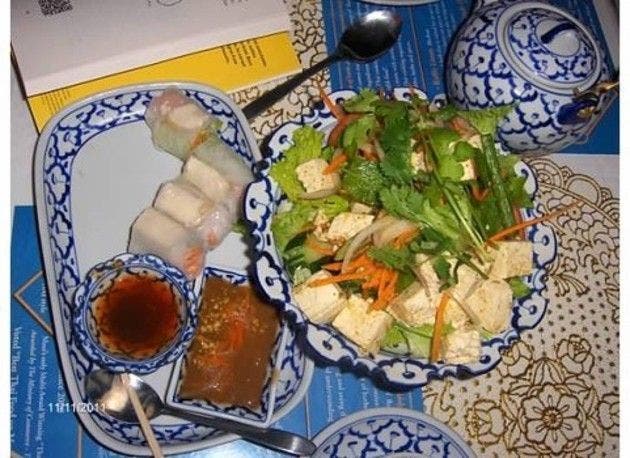
If you’ve noticed vegan and vegetarian items creep up on the menu in those Healthy Diet sections, this is no small coincidence. Even Bed-Stuy's own Monk's Meats will be opening up a brick-and-mortar "vegan butcher" store. It's safe to believe that there will be a noteworthy following.
According to Harris Interactive Service Bureau via Vegetarian Times, there are at least 7.3 million people who follow a vegetarian-based diet in 2008. And sometimes those who are omnivores just may decide to eat vegan or vegetarian meals regardless, whether being duped into it by a veggie-loving friend or simple curiosity.
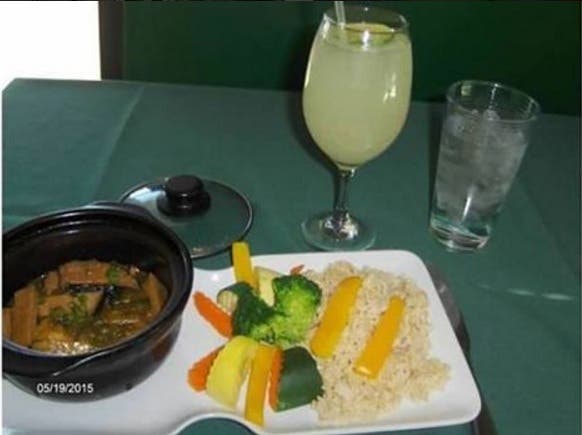
Soy Fish in a Clay pot, which includes caramelized soy fish with garlic sauce, fresh pineapple, green onion, ginger and Thai chilies (Photo credit: Shamontiel L. Vaughn)
Find out what's happening in Brooklynfor free with the latest updates from Patch.
The Vegetarian Resource Group reports that approximately 3 percent of the population is vegetarian (including vegans) all the time, and 5 percent always eat vegetarian or vegan meals when eating out. So when the cooks and waiters are asked questions about whether that chocolate chip cookie has dairy in it (no, not always, just look at Argo Tea’s menu), whether those bacon bits can be the imitation version or whether that pizza can be “cheeze” instead of “cheese,” there’s a reason for that.
While the food industry may not always embrace this dietary decision (consider the 41K people who signed the In-N-Out petition for veggie burger options), legally restaurants and food manufacturers better be honest about what’s in their products. Just Mayo, a vegan mayonnaise product, has had several lawsuits from companies who are uptight about the product potentially taking business away from them. Justin’shad to change its nutrition label warning about the ingredients in their vegetarian peanut butter cups. Quorn and PETA also had a Twitter discussion about their vegan chicken containing eggs: Check out Tweet 1 and Tweet 2.
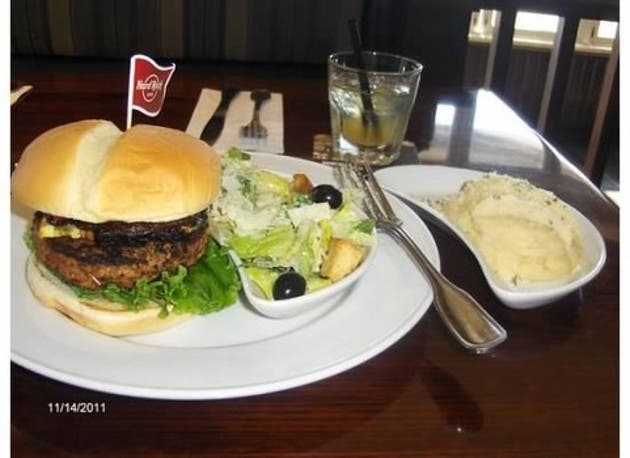
Veggie Leggie burger, mashed potatoes and salad (Photo credit: Shamontiel L. Vaughn)
Find out what's happening in Brooklynfor free with the latest updates from Patch.
And anyone who has seen “Food, Inc.” remembers that awkward moment when one woman refused to speak up about the vegetarian industry. Viewers never did really find out what it was she was so tight-lipped about after her experience with the meat industry. Oprah Winfrey being forced to fight a $10.3 million lawsuit from angry cattle farmers could be all the ammunition that public figures need to go mum on the meat industry.
But regardless of the legal drama above, there is still a large crowd who wants veggie friendly products right now. Here’s what food companies need to know beforehand when marketing their products as vegan or vegetarian.
FDA labeling requirements
This is one of many labels to confirm if products are organic.
The first step a food vendor or restaurant owner should take is to check the labeling guidelines in the residing state and The Food And Drug Administration (“FDA”). The FDA is a federal governmental agency that regulates food and drug labeling. In some instances, the FDA labeling requirement may conflict with the state labeling requirements. Generally, FDA guidelines should trump where there is a conflict. There are exceptions to this rule. For example, if the state labeling requirement provides defining terms like “natural” or “organic.”
The FDA does not have official labeling requirements for vegan products, just that the label cannot be false or misleading. The small print, however, will usually warn users if the product was made with equipment that is also used on milk, eggs, etcetera.
While not required, there are organizations not associated with the FDA, such as the Vegan Action, that issue vegan certifications for a fee. Products that have gone through their application process get to use their vegan certified trademark logo.
It is advisable to speak with a food lawyer to make sure your food label complies with applicable state and federal regulation.
———-
Have more questions about FDA food labeling requirements? Contact J. Paye & Associates today.
Shamontiel L. Vaughn contributed to this blog. Find out more about her at Shamontiel.com.
The information contained here is intended to provide useful information on the topic covered but should not be construed as one-size-fits-all legal advice. Speak to an attorney specifically about your contractual agreement for specific terms and conditions.