Health & Fitness
Dr. Jude Fabiano Discusses the Dangers of Flabby Gums
Gum disease is mostly preventable through regular brushing, flossing and dental cleanings, but it is a serious condition.

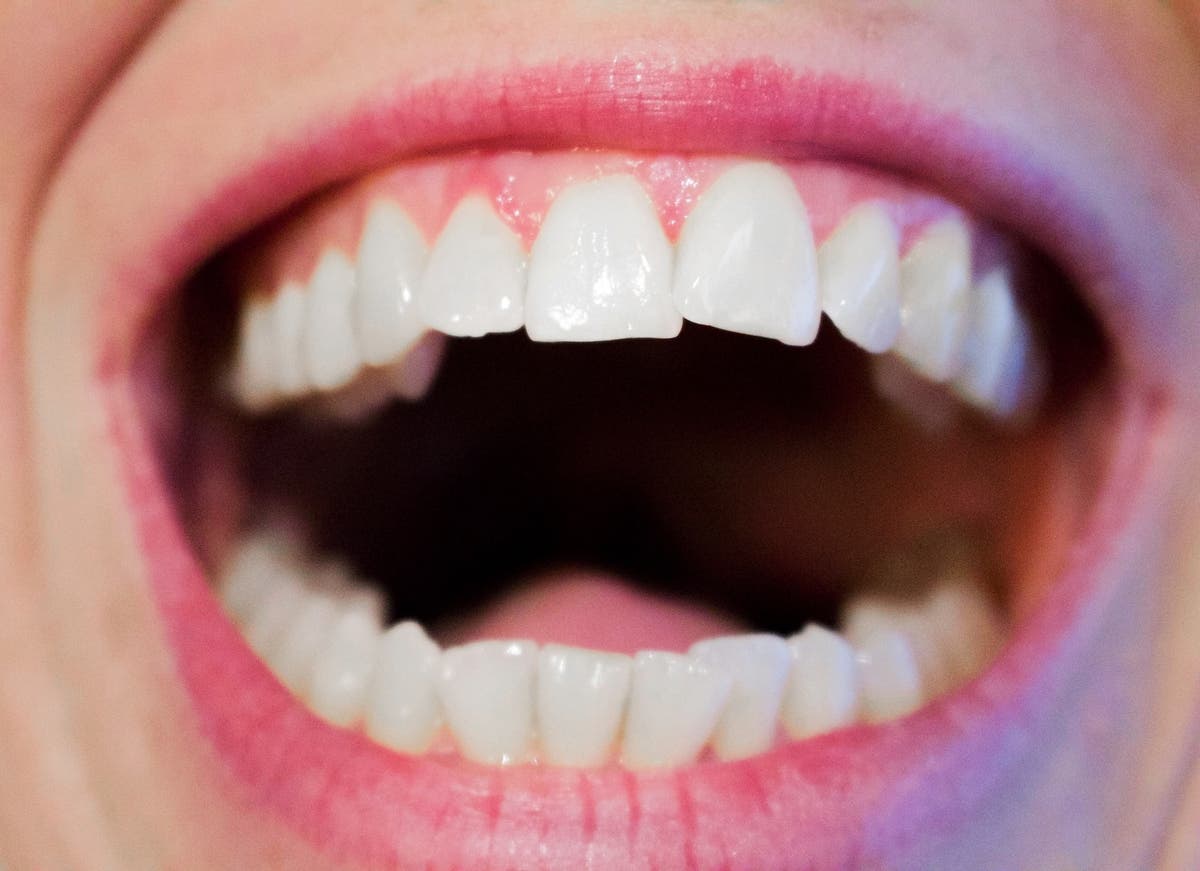
When you hear your dentist reciting numbers while your mouth is being examined, you might assume that they’re counting your teeth. But in reality, they’re assessing your gum health. Gum health can be assessed with a calibrated dental instrument, which measures the pocket between the gum and the tooth. Dentists often take measurements of the pocket depth to get a feel for the health of a patient’s gum tissue. Healthy gum tissue tends to yield numbers of less than 4 mm, while higher numbers indicate that the tissue is inflamed and that some sort of dental treatment could be needed.
In general, 1-3 mm is healthy, 4 is a warning and anything above 5 is a call to prevent disease. When a 5 or 6 mm pocket is recorded, then a deep cleaning could be recommended. Patients are numbered, and special instruments are used to remove buildup. Patients who are a risk are then scheduled for a regular cleaning every three months until their gum health improves. In the rare cases where numbers are higher, gum surgery is conducted, and the gums are flapped back for better access during cleaning and are finally sutured together. Many patients return to regular activity, including work, immediately. The stitches are removed later, and then the healing is assessed. Gums recede and become inflamed or infected from a buildup of bacteria, and all particles that enter the mouth, such as food and drink, have the potential to lead to inflammation and decay if not properly removed. Particles are frequently trapped between the teeth and gum, which is why we use toothbrushes to sweep out the buildup.
According to the American Dental Association, Gum disease and tooth decay account for about 90 percent of tooth loss. Thankfully, gum disease is mostly preventable through regular brushing, flossing and dental cleanings. Unfortunately, however, not too many people like to floss their teeth, and many tend to brush improperly. Manipulating strands of dental floss tends to be awkward for many, although individual picks with single-use dental floss are easy to use and fairly cheap. Many toothbrushes also have a rubber pick at the end of them. A swish of mouthwash also tends to be good to help remove extra debris trapped in teeth. Both, however, do not replace brushing.
Find out what's happening in Buffalofor free with the latest updates from Patch.
Dental work can be expensive, and take time away from work and other activities. This is why it’s important to stress such preventative measures as flossing, brushing and routine dental visits.
Dr. Jude Fabiano, DDS is a dental professional from Buffalo, New York, with over 35 years of experience. He currently serves as the Director of Corporate Education for Ivoclar Vivadent, Inc., a dental material company.