Health & Fitness
Brand Loyalty and the Beverage
How even the biggest marketers can underestimate the power of the rest of us -- their consumers.
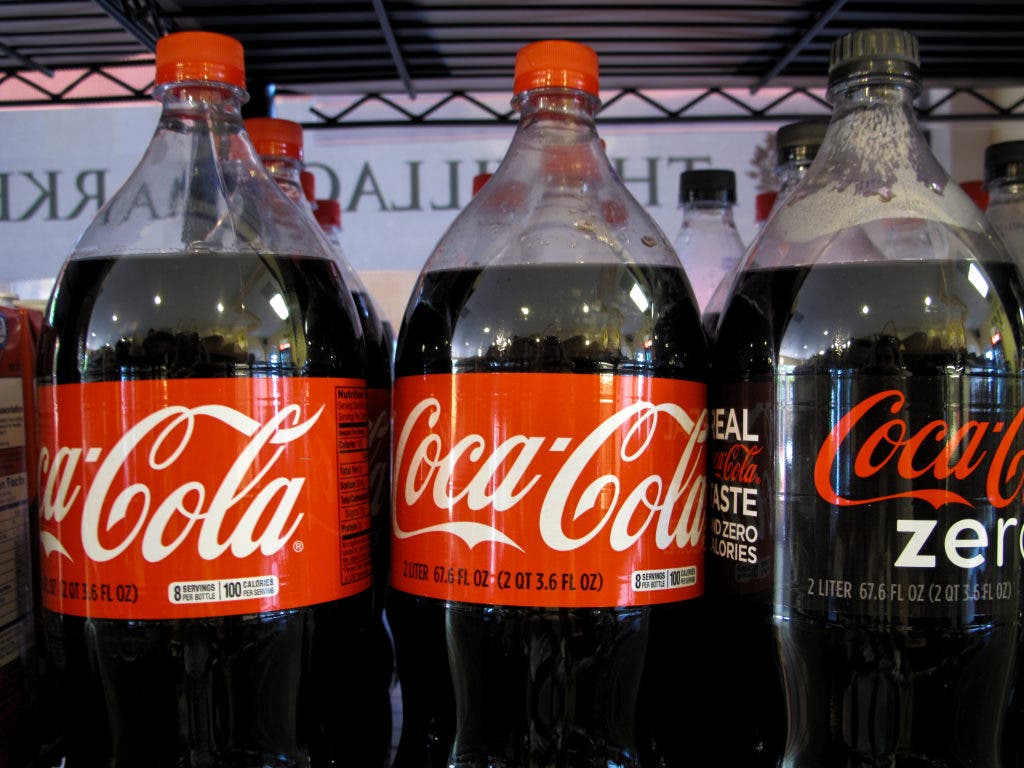
Whenever I introduce my marketing communications course to college students we invariably start with the marketing mix – the product, price, place (distribution) and promotion components that impact the development of a brand from its inception to sale.
But it’s never that simple, ideally we try to identify some solid examples and major follies that lock these theoretical concepts into memory at least through the final exam.
And my favorite example/folly is the birth of New Coke.
Find out what's happening in East Meadowfor free with the latest updates from Patch.
Coca Cola is celebrating its 125th birthday and if you recognize the name “New Coke” then you may have witnessed its launch on April 23, 1985. According to Advertising Age’s Inside the Framework – and Fallout – Behind New Coke – the product, like the launch of Diet Coke, came out of a new company mindset, focused on stopping market share loss where advertising could not. Even that amazing advertising from Mean Joe Greene (“Have a Coke and a smile”) to Hilltop (“I’d like to teach the world to sing”), ads that defined the excitement of the brand and made us smile, even cry but couldn't change the sales downturn.
Although I love advertising and believe in its power, I believe the underpinning of New Coke is that the company simply underestimated and misunderstood us -- the consumer.
Find out what's happening in East Meadowfor free with the latest updates from Patch.
My recollection was that Coke was taking a beating from Pepsi (remember The Pepsi Challenge?) and believed consumers wanted a sweeter flavor when it came to their favorite beverage – a sweet taste that Pepsi exhibited. The only thing that Coke didn’t realize was that consumers had an affiliation with their brand, a kind of brand loyalty most companies today would kill for. Consumer reaction to the announcement of the new formulation -- New Coke -- was to start hoarding their familiar drink in droves and complain loudly. Local bottlers and corporate took notice, but it took a while to turn the ship around. Two and a half months later, Coke reversed its stand, offering two products for the shelf – New Coke and a great brand name of its time: Coca-Cola Classic.
That's my favorite part of the story: the Coca-Cola Classic label stuck till 2009 but alternate names including Coca-Cola Original, Coca-Cola No. 1 and just "Coke" were initally considered. Illustrating the importance of the product name, "Old Coke" didn't make the cut I guess.
So if brand loyalty in 1985 is hard, over 25 years later it is near impossible. You and I have to wade through about 3,000 -5,000 types of promotional messages daily and thousands of products to decipher on the supermarket shelf weekly. We can buy by mail, on line and based on the electronic recommendations of consumers we don't even know. We are so "promotion sensitive" (and some would argue more intelligent) that we often resist the brand effort and believe, given many categories, "they're all pretty much the same."
Therefore, if you are a marketer who takes the product passion/experience of the consumer for granted -- don't.
And if you, like most, are a consumer that wonders if anybody's listening, rest assured that a few choice purchases and actions speak volumes-- especially today. Whether or not you are a Coke or Pepsi person.