Health & Fitness
Kids As a Target (Market)
Marketing to your underage children -- have we got everyone's attention?
When my nephew, then 10 years old, came to our Brooklyn home years ago to spend a week on the east coast, he spent an inordinate amount of time in department and sporting goods stores, salivating over a pair of Reebok sneakers that he could hardly fit into, let alone buy.
"That's your fault," our friend said to me after learning of the visit. "You and your (advertising and marketing) industry did that to your nephew."
Married life and two children later, I continually look at the situation from "both sides now" and it appears that the current pendulum is sweeping toward preventing exploitation of kids as a marketplace – stopping us from making them want things they do not need. But that’s not the whole story.
Find out what's happening in East Meadowfor free with the latest updates from Patch.
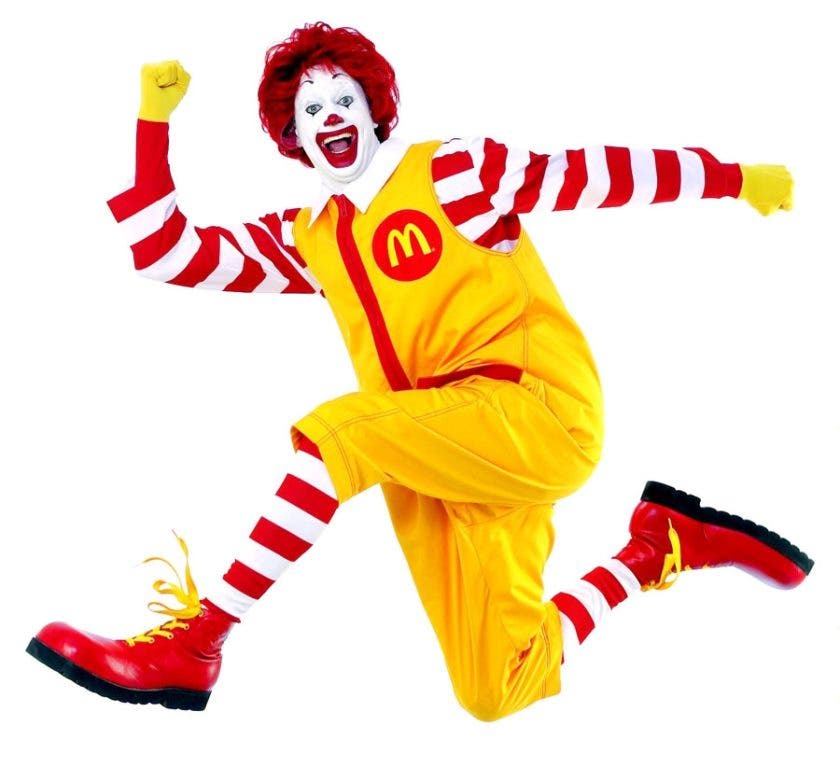
For example, Ronald McDonald will be encouraging your kids to come and see the Happy Meal website this week, only organizations such the nonprofit watchdog group Corporate Accountability International will be calling for his (and his bosses'?) collective resignation.
An open letter from health organizations that ran as ads in six metropolitan newspapers this past week urged McDonald's to stop marketing their high salt, fat, sugary products as well as using Ronald and his happy meal toys to sell to kids.
Find out what's happening in East Meadowfor free with the latest updates from Patch.
Ronald's been the subject of controversy before, but the 50-year old icon whose child recognition is second only to Santa will not be retiring soon. Ironically, he not only represents charitable efforts (Ronald McDonald House) but he's got "cool factor" with young children but certainly not with the tweens (8-12) and up.
Ronald's woes aren't so different from Joe Camel -- that iconic mascot of the late 1980s whose cartoon likeness was accused of promoting Camel cigarettes to a teenage audience with the intent to increase youth smoking and eventually adult smoking. Data was hard to separate from other influences on underage smoking but Joe did go away by 1997.
Ironically, when it comes to controversy and marketing, manufacturers and advertising icons are nothing compared to Facebook. As if there hasn’t already been enough written on the issues of privacy and predators, Facebook is now facing a new problem -- advertising restrictions for minors.
The "like" button is at issue -- when a user "likes" a company’s brand page that user's name and image is displayed alongside thumbs-up logo. If Sally likes the Nabisco Oreos’ page, all of Sally’s friends see this “endorsement” of Oreos as the “like” travels throughout the network.
But what if Sally is one of the 5 to 7.5 million Facebook members who is under 13? Or one of the 14.4 million between the ages of 13 and 17? Although it's a violation of Facebook user policies to even have a page if you're underage -- can Sally’s image be used in advertising without her parent's consent?
Is shared personal information the same as a paid commercial endorsement?
The answer is maybe.
Social networking is moving so fast, it defies the laws of gravity and the laws currently required of advertisers and marketers. There’s no legal answer here – at least not yet.
So as companies reach out to our kids in what some believe are unrestricted and unmediated ways, make sure you determine what is our responsibility as families and as a society.
And while you're at it, listen to Ronald who sums it up best on happymeal.com, "Hey kids, this is advertising!"