Health & Fitness
Video Wallpaper
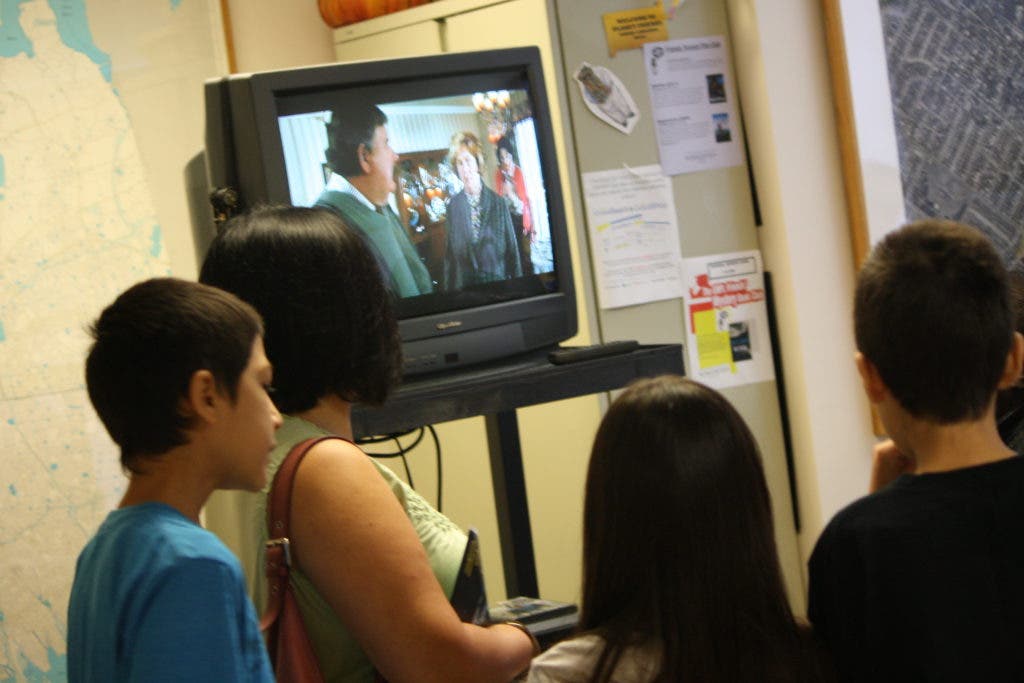
Have you noticed? No matter where you turn, there's a television playing...
Nielsen Market Research, and their TV diaries to their black box people meters, is best known as the organization that identifies the number of viewers watching a specific TV show.
For better or worse, they use a statistical sample of US television viewing households to provide the ratings –television viewership with information on the program “habits” of various audiences – especially 18-49 year olds. Information that assists TV networks to demand top dollar for advertising that runs on their shows.
But with the delivery of television programming through DVRs, TiVo, Hulu, computer downloads and network websites, there is a new reality.
Find out what's happening in East Meadowfor free with the latest updates from Patch.
- We don’t watch a show when it first airs.
- We have a lot more ways to watch than ever before.
- We are watching a lot of television programming.
According to the New York Magazine article, “ live plus three” is a current way to count those of us who watch up to three days after original airing. And “live plus seven” will be incorporated by Nielsen research to determine DVR viewership up to seven days after original airing.
For networks it’s a chance to prove there is more viewership per show that is worthy of ad dollars. For you and I, it can mean the difference in seeing a “marginal series” survive – such as “vulnerable” shows on cable that can’t compete with the millions watching broadcast television.
Find out what's happening in East Meadowfor free with the latest updates from Patch.
And although advertisers also pay a premium to reach a wider audience for a sporting event given sports bars and parties viewing – I wonder what will be next when it comes to counting viewership.
Current research says that the average number of hours spent in front of a TV continues to go up (nearly five hours per person per day). It may be my heightened awareness, but it seems as if everywhere I go there is a television on.
The doctors’ offices, restaurants and retail checkout counters are old school – I’m finding huge flat screens in the admissions waiting office at a local college, the hair salon, and the midtown high rise elevator. The consumer side of me is bristling at the exposure because I don’t need television while waiting – at every moment.
I can be perfectly happy reading, thinking, resting even jotting down thoughts to remember when I get past the waiting. The option to go to the cell phone or to talk to another individual is certainly available too. But do we need to see the 30-minute incessant newscast loop or the last of the weekday soap opera to stay entertained?
Even if we get “counted” as viewers in this kind of environment, how can it really count if we’re not looking or not in an attentive frame of mind to BE entertained?
Thus the real problem. If you don’t care about the programming, or are in a place that's disruptive to your viewing, are you "a viewer" in the active sense of the word? Worse still, in this public environment are you likely to care about the commercial messages you are "exposed" to at that moment? I don't think so.
And no matter how you package it, that's a loss for the networks and the advertisers who sponsor them.