Health & Fitness
Ebola retrospective: Nursing on the frontlines of an international epidemic
Last year, Lindsey Hallen, RN went to Sierra Lione to join the fight against Ebola.

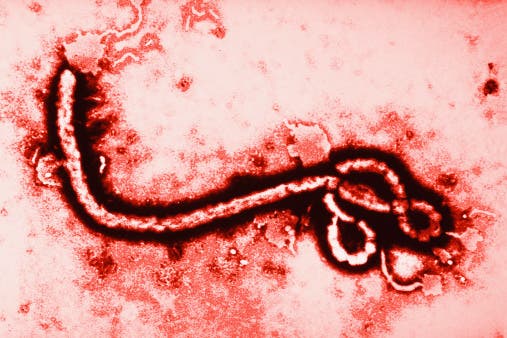
Last year, Lindsey Hallen, RN went to Sierra Lione to join the fight against Ebola. We caught up with her to reflect on her greatest challenges, transformative moments, and inspirations.
What were some of the biggest challenges you came across as a U.S. nurse fighting Ebola in a foreign country?
Lindsey Hallen, RN: You’re trying to give the best care, but a lot of times it didn’t involve medicine because we didn’t have it. So, it was just sitting with patients, or holding their hand the last few moments before they die. You can’t get ahead of the disease. It’s like Ebola is always winning. You’re trying to get ahead of their dehydration and ahead of their fluid losses because they’re losing so much so quickly and you have all of these barriers to helping them. The access that you have to supplies and resources is so limited. We would make tourniquets out of gloves or we would use IV tubing. Using a glove was really hard because it doesn’t stretch that far. We would use the nails on the wall to hang the fluid bags, because nails would be sticking out. You’d have to get creative and you start to realize we could come up with a lot of options with the little stuff that we have.
Find out what's happening in Forest Hillsfor free with the latest updates from Patch.
“For me [ebola] wasn’t something I was so scared of. Being there, I saw the people who are real heroes -- the people there in Sierra Leone, where their friends and family and coworkers are dying all around them and they’re still saying let me go into an ETU and work 16 hours a day and get a small paycheck to fight this disease.”
Did you ever get frustrated trying to deliver care with so few resources?
Find out what's happening in Forest Hillsfor free with the latest updates from Patch.
Hallen: You feel sort of helpless, like you’re not helping as much as you could. It’s sort of infuriating because you know this is an awful disease and yes, it’s deadly and has killed so many people, but so unnecessarily. These people are dying because they’re dehydrated or dying because of respiratory failure or dying because of things that we have the ability to prevent here. So, to know that these people are suffering so much because they don’t have these simple things like fluids and oxygen, that just was not cool.
What was the hardest part for you?
Hallen: There were so many kids coming in and the majority of kids didn’t make it. You would see a pretty healthy, well appearing kid come in and you would try to play with them and paint pictures with them and you would think, ‘maybe they’re going to make it.’ And the majority of the time they didn’t. So that was really hard. These kids are 3, 4, 7 ,11 and have no idea what’s going on and are too young to die and it’s just; it just wasn’t fair. Do any of the children you treated stand out in your memory? There was one boy who everyone had a really strong connection with, because he spoke English very well. So, we could communicate with him. We weren’t sure if he would make it or not and he wound up getting discharged and would come back to the ETU every day just to say hi and see the staff and tell us he wanted to ‘go to medicine.’ He would always tell us how smart he was and he wanted to be a doctor when he got older. I wish I had the opportunity to get that close to all of them. A lot of the other kids didn’t speak English so you had no idea what they were saying or thinking and they all just look petrified. And you were trying to play little games with them and somehow connect with them.
Amidst all the chaos and sadness, did you ever break down?
Hallen: Not really at all when I was there, which is weird. You rarely have a minute to yourself while you’re there. So, then to be back home alone in quarantine for 21 days it’s just like you’re mind is going crazy, thinking back on everything that happened. There were just times I would be sitting and start thinking of things and, I’m not a very emotional person at all, but it overcomes you. I would just ball for 10 minutes or something. And eventually I was like, alight, I needed to get that out.
Many people would consider you a hero. Do you see yourself that way?
Hallen: It makes me so uncomfortable when people say that. I know the correct response it thank you. But I just want to be like, ‘no, you’re wrong.’ I think bravery is all sort or relative. Being brave depends on what it is you’re scared of. For me this wasn’t something I was so scared of. Being there, I saw the people who are real heroes -- the people there in Sierra Leone, where their friends and family and coworkers are dying all around them and they’re still saying let me go into an ETU and work 16 hours a day and get a small paycheck to fight this disease. I felt like I shouldn’t be the one people are calling a hero. There are lots of other people more deserving of that title than me. Having been exposed to so much pain, is Is it ever hard to think back on your time in Sierra Leone? I still have those moments and I’ll break down. When it’s happening I say to myself, ‘is this feeling ever going to go away?’ I think it’s important to have moments like that because so many people did lose their lives and I don’t want that to be forgotten. It’s hurtful to think of certain things that happened to people but I think it’s part of the process of remembering in a way and honor them and what they had to go through.
To see a video about this, click here: http://bit.ly/1QpdfWh