Health & Fitness
Tire Blowouts 101: Pressure Drops When the Temperature Drops
Now that the temperature is changing, check your tire pressure.

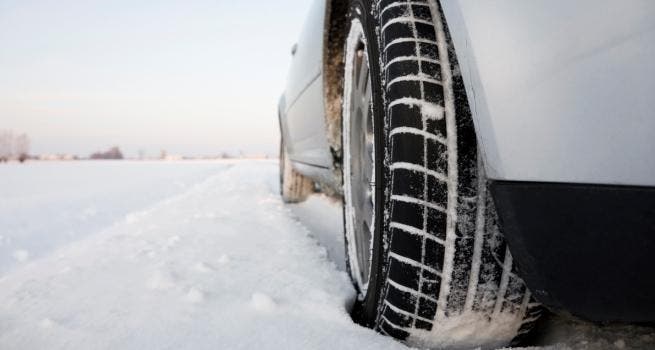
Checking the air pressure in your tires – especially when there’s a change in temperature – may just save your life, says a New York emergency medicine specialist.
Cold weather decreases the pressure in tires, while warmer temperatures increase it. For every 10 degrees the temperature drops, tire pressure decreases by one PSI (a measure of pounds per square inch).
In addition, tires lose as much as 1.5 psi per month as air escapes the tire and rim naturally, according to the National Highway Traffic Safety Administration (NHTSA).
Find out what's happening in Forest Hillsfor free with the latest updates from Patch.
Tire pressure at five PSI less than suggested can affect the handling of your car. And both underinflated and overinflated tires increase your chances of having a tire blowout.
“With the winter weather and New York City roads and potholes, the risks for tire blowout- related accidents and injuries is certainly higher,” said Michael Guttenberg, DO, director of emergency medicine at Forest Hills Hospital and a former paramedic.
Find out what's happening in Forest Hillsfor free with the latest updates from Patch.
“These accidents tend to be at higher speeds and the car is also more likely to roll,” added Dr. Guttenberg. “If the car rolls over and you’re not wearing a seat belt, your risk of serious injury increases from being ejected from the car.”
To find the correct air pressure for your tires, look in your car’s owner’s manual, in the glove compartment or on the driver’s side door jamb.
The NHTSA estimates that nearly 250,000 accidents occur in the U.S. annually due to low tire pressure.
Since 2007, new cars have been equipped with tire pressure monitoring systems that trigger a dashboard light to let you know when one or more tires is low on air. While that may take the guesswork out of wondering if a tire is low, it won’t tell you about other factors that can cause a blowout, explained Dr. Guttenberg.
For that, you’ll need a set of eyeballs for your whitewalls.
Dr. Guttenberg’s advice: “You should inspect your tires regularly for wear and tear, and any imbedded objects that can cause a rupture.”